






Beyond the Urban Pantry
In a world of year-round avocados and perpetually available broccoli, the concept of seasonality can feel like a distant memory. But as the monsoon sweeps across India, a quiet culinary rebellion takes place. For a few precious months, a handful of visionary
chefs and home cooks turn away from conventional supply chains and look towards the forests, fields, and hillsides. They are in search of ingredients that cannot be cultivated, ingredients that obey only the ancient rhythm of the rains. This is the world of foraged foods—a temporary, hyperlocal pantry that offers flavours and textures unlike anything else.
The Monsoon’s Wild Harvest
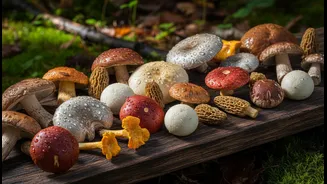
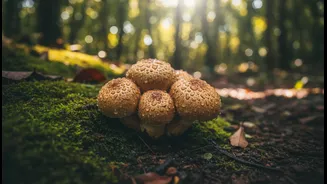
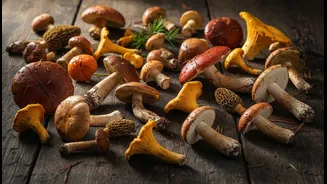
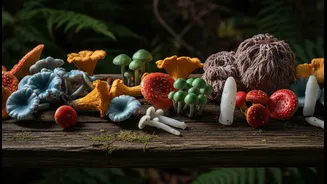
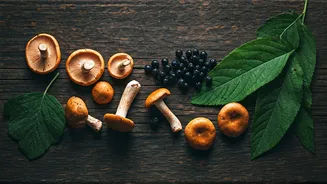
So, what exactly constitutes this wild harvest? The variety is staggering and deeply regional. In the Himalayan foothills of Himachal Pradesh and Uttarakhand, foragers hunt for *lingri*, or fiddlehead ferns. These tightly coiled young fronds have a crisp, green flavour, somewhere between asparagus and spinach. Across Maharashtra, the monsoon brings forth *kurdu*, a leafy green, and *shevala* (Dragon Stalk Yam), a wild tuber that requires careful preparation to remove its natural irritants but rewards the effort with a unique, meaty texture. Perhaps most prized are the wild mushrooms. Forget the common button mushroom; the monsoon yields an array of fungi, from the delicate *chattri* to termite hill mushrooms that pop up after the first storms. These ingredients are not farmed; they are found. Their appearance is a brief celebration, a direct result of the rain-soaked earth coming to life.
From Forest to Fine Dining
While foraging has been a cornerstone of rural and tribal cuisine for centuries, the trend of featuring these ingredients on urban fine-dining menus is a more recent phenomenon. Chefs are acting as culinary archivists, seeking out these rare edibles from local foragers and markets to introduce a new generation of diners to India’s edible biodiversity. These ingredients challenge a chef’s creativity. How do you highlight the earthy bitterness of a wild green or the delicate perfume of a foraged flower? The goal is not to mask these unique characteristics but to celebrate them. On these special monsoon menus, you might find fiddlehead ferns simply stir-fried with garlic and chili to preserve their crunch, or wild mushrooms folded into a creamy risotto that lets their woodsy flavour shine. Each dish tells a story of place, season, and the ephemeral beauty of nature.
A Taste of Tradition and Terroir
This movement is more than a fleeting trend; it’s a reconnection with tradition. For indigenous communities across the country, foraging is a way of life, a system of knowledge passed down through generations. They know which plants are medicinal, which are edible, and which are to be left alone. By placing these foods on their menus, chefs are not just offering a novel flavour, but also paying homage to this deep-seated cultural wisdom. It’s an acknowledgment that the most authentic flavours of a region—its terroir—are often found not in its farms, but in its uncultivated landscapes. Dining on these forest foods becomes an act of cultural appreciation, a taste of a history that is intertwined with the land itself.
The Luxury of Fleeting Flavours
In an age of instant gratification, the appeal of monsoon forest foods lies in their very impermanence. You cannot have them in December. You cannot order them on a whim. Their availability is dictated by the weather, making them a true seasonal luxury. This rarity is what makes them feel special. It forces us to slow down and appreciate the moment, to understand that some of the best things in life are fleeting. Eating a dish made with foraged greens is a reminder that food can be an event, a direct link to the ecosystem, and a celebration of the wildness that still exists just beyond our city limits. It’s a delicious antidote to the homogeneity of the global food system.