




The Ultimate Space Saver
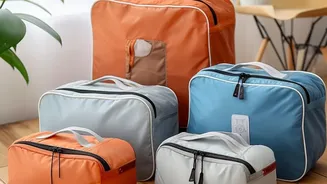
Vacuum compression pouches are durable plastic bags designed to shrink soft goods by removing air. By using a small hand pump or a household vacuum, you can suck the air out from between fabric fibres, reducing the volume of clothing by up to 80 percent.
This transforms bulky items like beach towels, hoodies, and stacks of t-shirts into thin, compact packages. The primary benefit is obvious: more space in your luggage. Suddenly, a carry-on might be all you need, saving you from checked bag fees and the hassle of hauling a heavy suitcase. These bags are not just about saving space; they create an organised system, allowing you to stack compressed packages neatly.
A Secret Weapon Against Humidity
For humid beach destinations, these pouches offer a unique advantage beyond just compression. Their airtight seal provides excellent protection against moisture. This means your clean, dry clothes will stay that way, even if your luggage is exposed to damp air or a sudden downpour. This barrier also protects garments from mildew, musty odours, and even accidental spills from your toiletries. When packing for your return trip, you can use a separate bag to isolate damp swimsuits or dirty laundry, keeping the rest of your luggage fresh and clean. Just ensure any clothes you pack are completely dry to start, as trapping moisture can lead to mould.
How to Pack for Maximum Efficiency
Using compression pouches effectively involves a simple technique. First, ensure all clothes are clean and completely dry. Instead of folding, roll each item tightly. Rolling helps minimise sharp creases and allows for more even compression. Place the rolled items inside the bag, distributing them evenly. Be careful not to overfill; leaving a couple of inches of space near the zipper is crucial for creating a perfect seal. Once filled, slide the zipper clip across the seal multiple times to ensure it's fully closed, pressing with your fingers to check for gaps. Finally, use the provided pump or a vacuum to remove the air until the bag is flat and compact. For travel, smaller bags that don't require a vacuum and can be rolled by hand to push air out are also a practical option.
Choosing the Right Fabrics
While compression bags work wonders, not all fabrics react the same. Cotton, denim, and synthetic blends like polyester are ideal candidates, as they are durable and resilient. These materials, common in beachwear like t-shirts, shorts, and activewear, compress well and bounce back with minimal fuss. However, you should be cautious with delicate fabrics like silk or structured items like blazers. Natural fibres such as 100% wool and down-filled jackets should also be compressed with care and only for short durations, as long-term compression can damage their natural structure. For a short beach trip, most casual wear will be perfectly safe.
The Unavoidable Wrinkle Question
Let's be clear: compressing clothes will cause some wrinkles. The pressure that saves you space is also what creates creases. However, the wrinkles are often less severe than those from a poorly packed, overstuffed suitcase where clothes shift and bunch up. The rolling method significantly reduces the deep-set creases that sharp folds can cause. Upon arrival, the best strategy is to unpack immediately. Hang your clothes in the bathroom while you take a hot shower; the steam will help the fabric fibres relax and release many of the wrinkles. For anything more stubborn, a quick pass with a hotel iron or a travel steamer will have your outfits looking fresh and ready for the beach.