



A Taste of Home in Zero Gravity
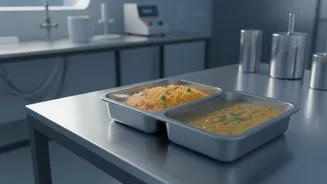
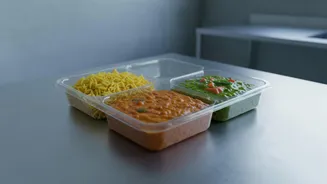
Imagine floating hundreds of kilometres above Earth and sitting down for a meal of chicken biryani, khichdi, or moong dal halwa. This is the reality Indian scientists are creating for the nation’s astronauts. A diverse menu featuring familiar favourites
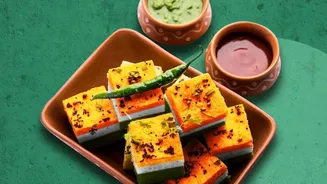
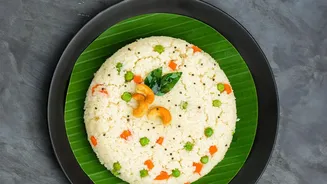
like idli-sambar, mutton rolls, and aloo paratha is being developed to ensure that while the view is otherworldly, the taste is distinctly Indian. This culinary effort aims to provide not just sustenance, but also a crucial psychological boost. The comfort of home-cooked flavours can significantly impact an astronaut's morale during a mission in the isolated and high-stress environment of space. The menu is a thoughtful mix of vegetarian and non-vegetarian options, including desserts like sooji halwa and fruit purées, ensuring a balanced and appealing diet for the crew.
Hyderabad's Scientific Leadership
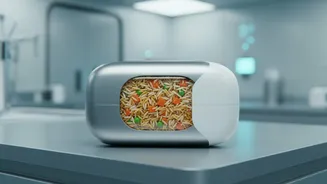
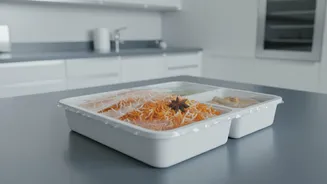
At the forefront of this initiative is the Hyderabad-based ICMR-National Institute of Nutrition (NIN). Scientists at NIN are meticulously designing the diet plans, focusing on the unique nutritional needs of astronauts before, during, and after their mission. Their work involves assessing the crew's energy requirements and analysing key health parameters to create perfectly balanced meals. The institute is also set to participate in microgravity simulation studies to understand how food behaves and is metabolised in space conditions. Further cementing the city's role, another Hyderabad firm, Ananth Technologies, is collaborating with the Defence Food Research Laboratory (DFRL) to build a 'smart tiffin box'—a specialised, sensor-fitted container to hold the meals. This highlights a growing ecosystem of public and private players in Hyderabad contributing to India's space ambitions.
The Mysuru-Hyderabad Collaboration
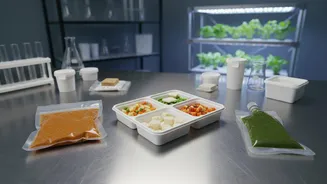
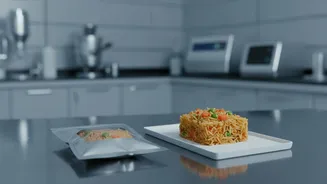
While NIN focuses on the nutritional science, the food's preparation and packaging are largely handled by the Defence Food Research Laboratory (DFRL) in Mysuru, a veteran in this field. DFRL, which famously supplied mango bars for Rakesh Sharma's space voyage in 1984, has developed around 60 ready-to-eat and instantised food varieties for modern missions. This powerful collaboration between Mysuru and Hyderabad is critical. NIN provides the nutritional blueprints, while DFRL uses advanced technologies like freeze-drying to prepare the food, ensuring a long shelf life while preserving taste and nutrients. DFRL also develops essential equipment like food warmers and specially designed pouches for waste disposal in zero gravity.
The Unique Challenge of Space Cuisine
Creating food for space is a complex scientific challenge. Every meal must be carefully engineered to be low-fragmentation, meaning it shouldn't create crumbs that could float away and damage sensitive equipment in the spacecraft. This is why most items are in a semi-solid, dehydrated, or ready-to-eat format that can be reconstituted with water. The nutritional profile is also critical; meals are designed to be rich in antioxidants and Vitamin D but have carefully controlled levels of sodium and fat, as the body processes them differently in microgravity. Even the packaging is a feat of engineering, designed to keep food safe, fresh, and easy to consume without spills in a weightless environment.
Fueling National Ambition
This indigenous food programme is a cornerstone of the 'Atmanirbhar Bharat' (self-reliant India) vision within the space sector. By developing its own space-grade food, India demonstrates end-to-end capability for human spaceflight, a feat achieved by only a handful of nations. It reduces reliance on foreign technology and ensures that the diet is perfectly tailored to the cultural and physiological needs of Indian astronauts. This project is not merely about feeding the crew of the upcoming Gaganyaan mission; it is about building a sustainable framework for long-duration space exploration in the future. It proves that India’s space research efforts are maturing, encompassing every critical detail from launch vehicles to lunch menus.