




Monstera Deliciosa: The Icon
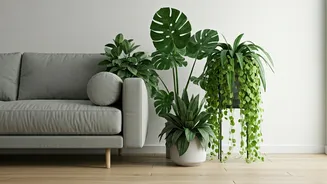
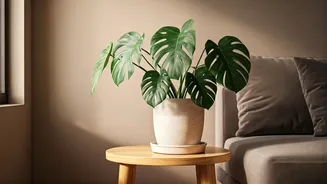
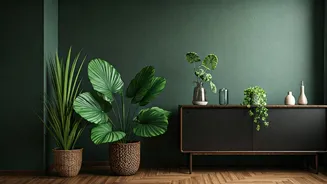
No plant says 'tropical' quite like the Monstera Deliciosa. Famous for its large, glossy leaves that develop dramatic natural splits (called fenestrations) as they mature, this plant is an instant showstopper. It brings a wild, jungle-like vibe that feels
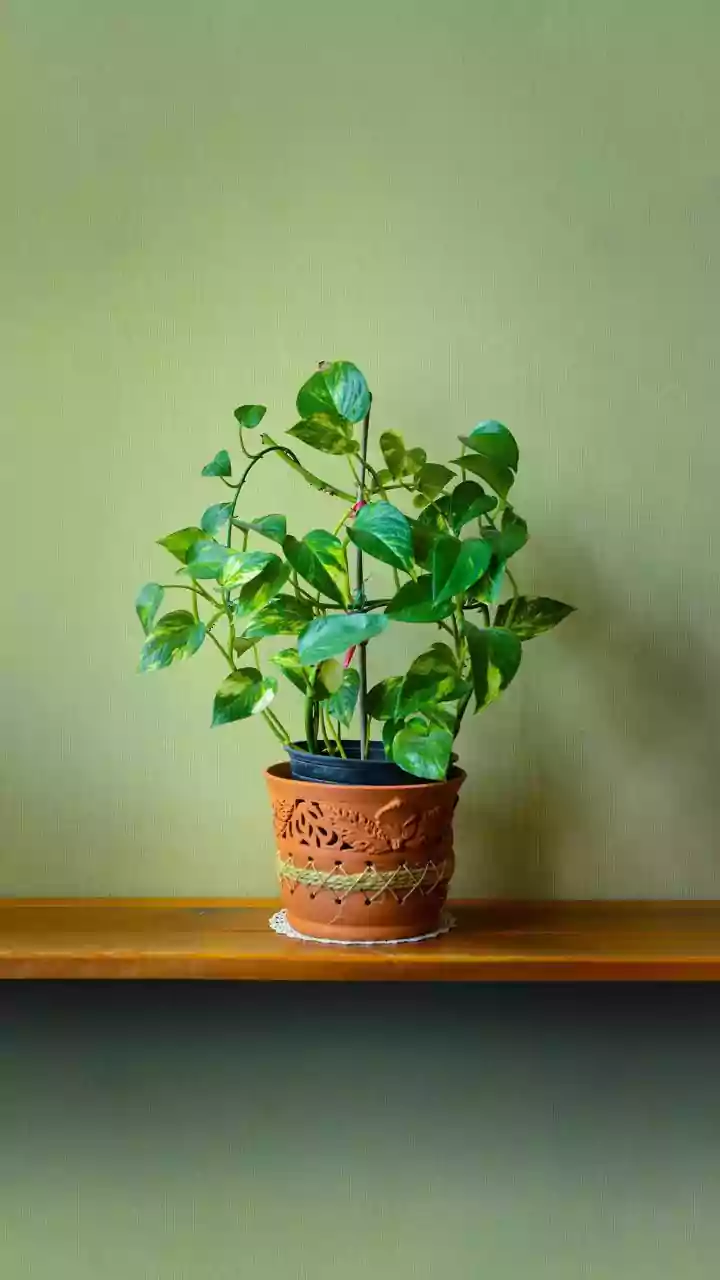
both classic and modern. Native to the rainforests of Central America, it’s surprisingly well-suited to Indian homes, where the warm, humid climate helps it thrive. Give it a moss pole to climb, and you'll encourage larger, more impressive leaves, turning it into a living sculpture that commands attention in any living room or bright corner.
Caring for Your Monstera
Monsteras are relatively easygoing, making them a great choice for a first-time statement plant. They prefer bright, indirect sunlight; a spot near an east or north-facing window is often perfect. Too much direct sun can scorch the leaves. Water thoroughly when the top two to three inches of soil feel dry to the touch. In hot Indian summers, this might mean watering two or three times a week, reducing the frequency during the monsoon and winter. As a tropical native, it loves humidity, so misting its leaves every few days or placing it near a humidifier will keep it happy, especially in air-conditioned rooms.
Fiddle Leaf Fig: The Stylist's Choice
For a touch of modern elegance, look no further than the Fiddle Leaf Fig (Ficus lyrata). With its huge, glossy, violin-shaped leaves, it has become a favourite among interior designers for its architectural beauty. This plant adds a sophisticated, sculptural element to a room, working beautifully as a standalone statement piece. While they have a reputation for being a bit fussy, getting the conditions right is the key to a happy plant that transforms your space. They don't like to be moved, so find a good spot and let it settle in.
Caring for Your Fiddle Leaf Fig
The Fiddle Leaf Fig demands bright, filtered light. Placing it a few feet away from a large window is ideal, but avoid harsh, direct sun which can burn its leaves. Proper watering is crucial; wait until the top couple of inches of soil are dry, then water it thoroughly, allowing the excess to drain away completely. These plants hate sitting in soggy soil, which can lead to root rot. To keep its large leaves looking their best and able to absorb light, gently wipe them with a damp cloth every few weeks to remove dust.
Bird of Paradise: The Bold One
If you want pure, unadulterated drama, the Bird of Paradise (Strelitzia nicolai) is your plant. Its massive, banana-like leaves stand tall and create an immediate sense of a lush, resort-like paradise. Growing up to six feet or more indoors, it has a commanding presence that can anchor a large room or fill a bright, empty corner with ease. The splits in its leaves are natural and help the plant withstand wind in its native environment, adding to its ruggedly beautiful character. While it can flower indoors, it's primarily grown for its spectacular foliage.
Caring for Your Bird of Paradise
This plant is a sun-worshipper and thrives in bright, indirect light, even tolerating a few hours of direct morning sun. In fact, ample light is necessary to keep its large leaves from drooping. As a thirsty plant, it prefers consistently moist soil, especially during the spring and summer growing season. Water it generously about once a week, or whenever the top two inches of soil feel dry. Like other tropicals, it appreciates high humidity, so regular misting or a nearby humidifier will help keep the edges of its leaves from turning brown.