

The Hidden Reaction in Your Fridge
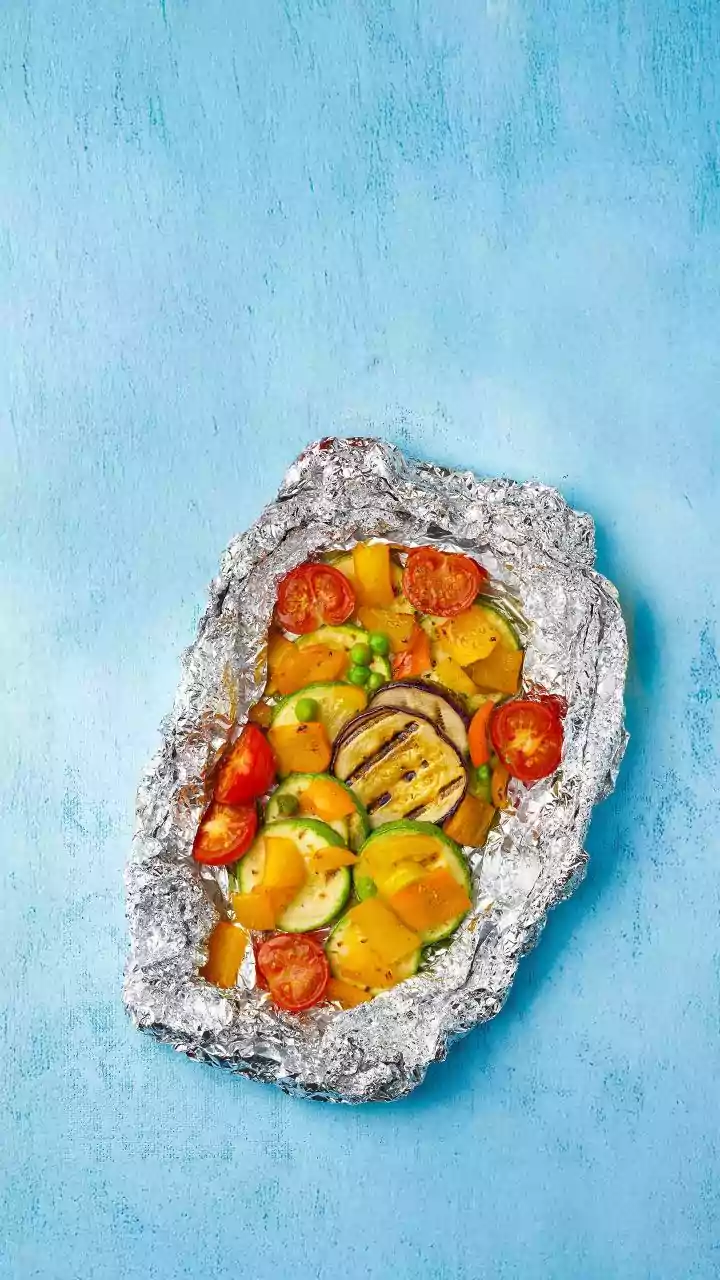
Aluminium foil is a kitchen staple, valued for its ability to wrap, store, and cook food. However, when it comes to certain types of leftovers, it's not the best choice. A chemical reaction can occur when aluminium comes into direct contact with highly
acidic or salty foods. The acid can cause the foil to break down, allowing small amounts of aluminium to dissolve and leach into your meal. While this might sound alarming, the process is a simple matter of chemistry. The natural acids in foods like tomatoes, citrus fruits, and vinegar-based dressings can corrode the foil over time.
What's Happening on a Chemical Level?
Pure aluminium naturally forms a thin, protective layer of aluminium oxide when exposed to air, which shields it from further reactions. However, strong acids can dissolve this protective layer. Once the barrier is gone, the acid can react directly with the aluminium underneath, forming aluminium salts that can migrate into the food. This process is accelerated by heat, which is why cooking acidic foods in foil is particularly discouraged. The longer the contact time and the higher the acidity, the more leaching can occur. This is why you might sometimes notice a metallic taste in food that's been stored in foil for too long.
Which Foods Are the Culprits?
Not all foods will react with foil. The main ones to watch out for are those with high acidity. This includes a number of common ingredients and dishes: Tomatoes and Tomato-Based Sauces: Their high acidity makes them prime candidates for reacting with aluminium. Citrus Fruits: Lemons, limes, oranges, and their juices can corrode foil. Vinegar-Based Dressings and Marinades: Acetic acid in vinegar is a key reactor. Rhubarb and Certain Berries: These fruits also have enough natural acid to cause a reaction. Salty Foods: Highly salted foods, like some cheeses and cured meats, can also encourage the migration of aluminium into food. Essentially, if a food is tart, tangy, or very salty, it's best to keep it away from direct contact with aluminium foil during storage.
Should You Be Concerned About Health Risks?
Our bodies are exposed to small amounts of aluminium daily from various sources, including water and many naturally occurring foods. In healthy individuals, the kidneys are very efficient at filtering out and excreting the vast majority of aluminium we ingest. International health bodies like the World Health Organization (WHO) and European Food Safety Authority (EFSA) have established safe weekly intake levels, and typical exposure from cookware or foil is generally considered to be well below these thresholds. However, some research has raised concerns about excessive long-term exposure, particularly for individuals with kidney issues. While occasional use is unlikely to pose a significant risk for most people, the scientific consensus suggests it's wise to minimize unnecessary exposure where possible.
Simple and Safe Storage Solutions
The good news is that avoiding this issue is easy and doesn't require a major kitchen overhaul. The key is to prevent direct contact. For acidic leftovers, consider these safer alternatives: Glass Containers: Glass is non-reactive, so it won't leach anything into your food. Airtight glass containers are an excellent choice for storing all types of leftovers. Parchment Paper as a Barrier: If you need to use foil to cover a dish, place a layer of parchment paper between the food and the foil. This creates a barrier that prevents the acid from reacting with the metal. Silicone or Beeswax Wraps: Reusable options like silicone lids, silicone food covers, and beeswax wraps are effective for covering bowls and wrapping food without the risk of a chemical reaction. Stainless Steel Containers: Like glass, stainless steel is a stable, non-reactive material that's great for food storage.