


Why the Monsoon is Magical
While many national parks close their core zones from July to September, the notion that wildlife watching shuts down is a myth. Several parks keep buffer zones or specific areas open, and some, particularly in the south, thrive during the rains. The
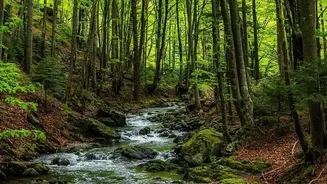
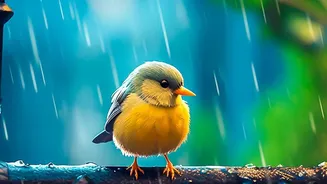
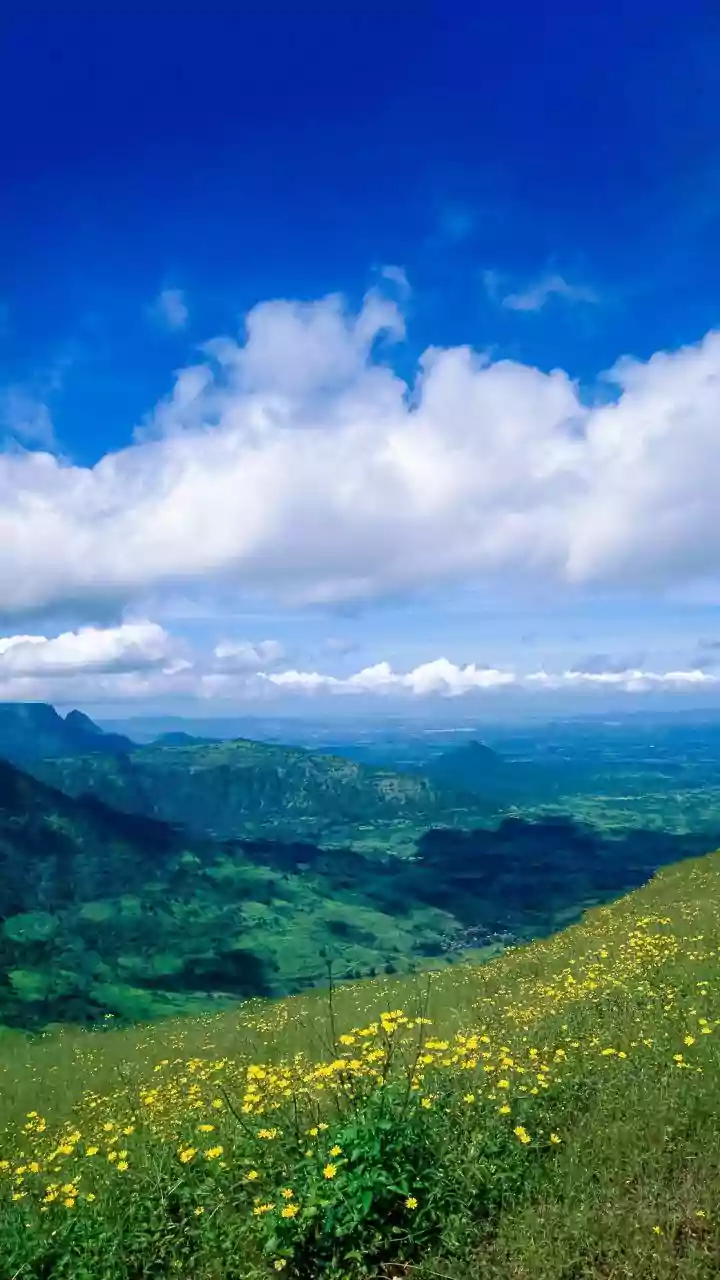
monsoon transforms the landscape. Parched grounds turn into vibrant green carpets, trees are adorned with fresh leaves, and the air is clean and crisp. For photographers and nature lovers, this period offers dramatic, misty scenes that are absent in the dry season. With fewer tourists, the experience is more serene and personal. The rain also alters animal behaviour; some creatures are more active, and the rejuvenated vegetation provides new feeding grounds, creating different kinds of sighting opportunities.
Periyar National Park, Kerala
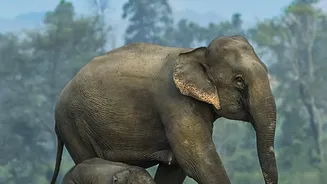
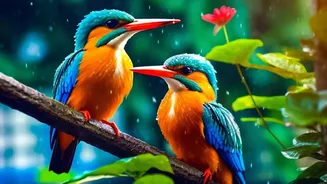
Nestled in the Western Ghats, Periyar National Park is arguably one of India's best monsoon wildlife destinations, as it remains open year-round. The park, known for its significant elephant population, becomes a spectacular canvas of emerald green. The main attraction is the boat safari on Periyar Lake, which offers a unique vantage point to see animals. During the rains, herds of elephants are often seen along the misty shoreline, along with sambar deer, gaur (Indian bison), and monkeys. The season is also fantastic for birdwatching, with species like the Malabar hornbill and various kingfishers being active. The entire experience is defined by mist-covered forests and the scent of wet earth, making it a truly immersive natural escape.
Jim Corbett National Park, Uttarakhand
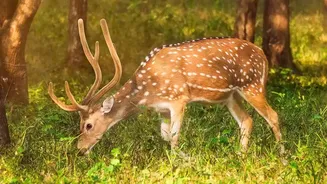
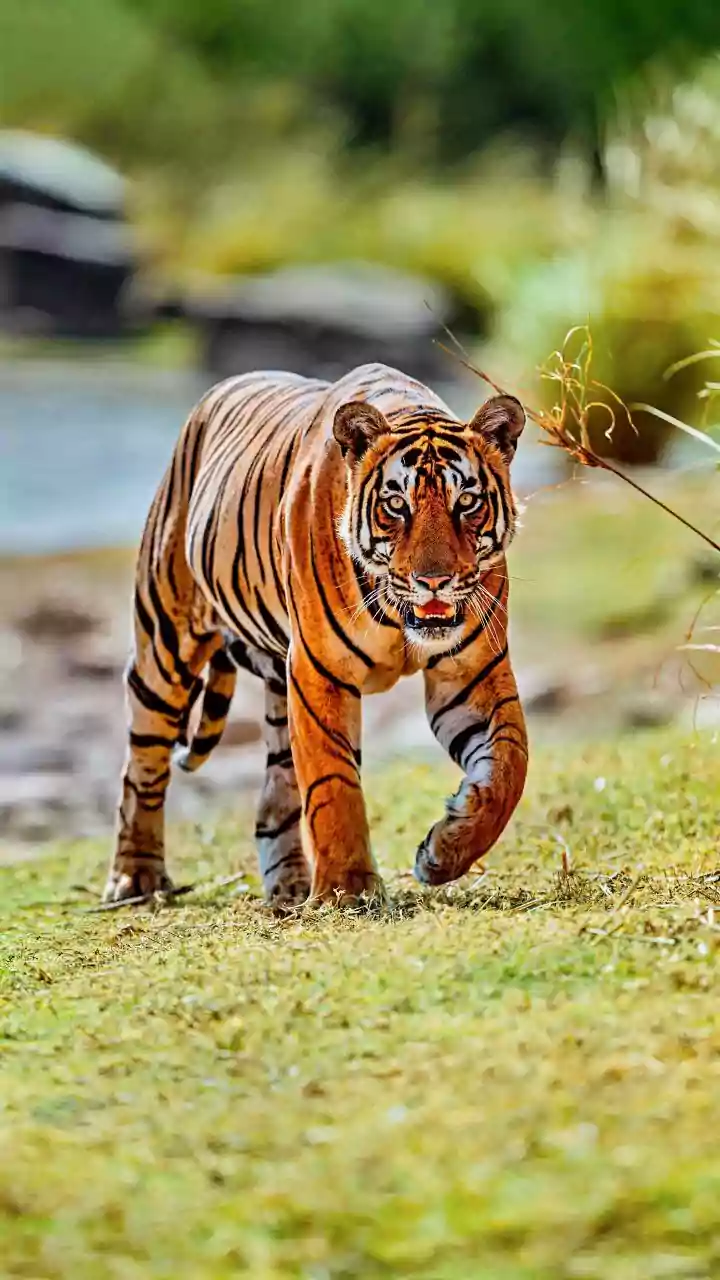
India's oldest national park doesn't completely shut down for the monsoon. While core zones like Dhikala are closed, buffer areas such as the Jhirna and Dhela zones remain accessible for safaris. In August, these zones are less crowded and exceptionally green. The rains bring the forest to life, making it a prime time for spotting resident wildlife against a lush backdrop. Wild boars, deer, and especially elephants are frequently seen foraging along the rain-soaked tracks. The monsoon is also the breeding season for many birds, filling the forest with sound and activity. For those seeking a more tranquil safari experience without the peak-season rush, Corbett's open zones are a rewarding choice.
Keoladeo National Park, Rajasthan
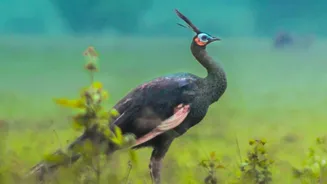
Known globally as a premier bird sanctuary, Keoladeo National Park in Bharatpur becomes a different kind of paradise during the monsoon. The rains fill the park's wetlands, triggering the breeding season for hundreds of resident bird species. The man-made sanctuary, a UNESCO World Heritage Site, erupts in a cacophony of nesting activity. August is the time to see painted storks, herons, egrets, and cormorants in their thousands. The landscape is stunningly green, and boat rides may be possible if water levels are high, offering incredible photographic opportunities of the bustling heronries. Beyond birds, mammals like nilgai and sambar are also more visible in the verdant surroundings.
Kabini & Nagarhole, Karnataka
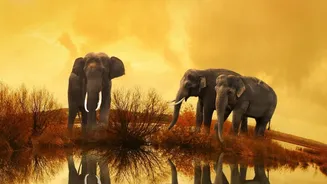
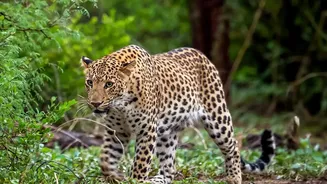
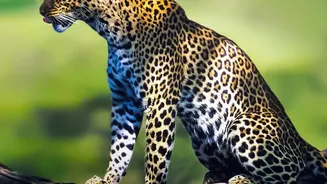
Part of the Nilgiri Biosphere Reserve, the area around the Kabini River, which includes Nagarhole National Park, remains open year-round, weather permitting. The monsoon breathes new life into this region, creating incredibly scenic landscapes. Boat safaris along the Kabini backwaters are particularly fruitful, as this is when large herds of elephants congregate by the water. It’s a spectacular sight to see them playing and foraging in the rain-refreshed environment. Leopards, spotted deer, and over 250 species of birds can also be sighted. The combination of lush forests and abundant water makes Kabini a top choice for photographers seeking atmospheric wildlife shots during August.