





The Power of a Fine Mist
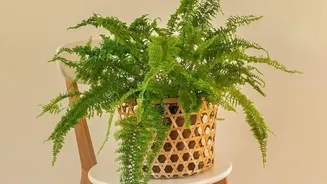
Ferns naturally grow on forest floors, where the air is consistently moist and humid. Dry indoor air, especially from heating or air conditioning, is their number one enemy, causing moisture to evaporate from their fronds faster than the roots can absorb
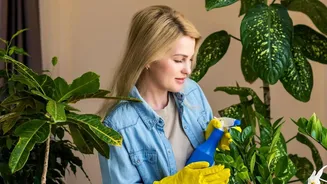
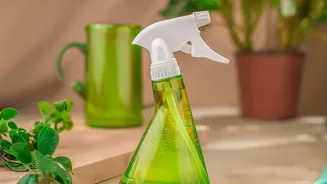
it. Misting is a direct way to provide temporary relief. Using a spray bottle with a fine mist setting, lightly spray the foliage two to three times a week. The best time to do this is in the morning, which allows the leaves to absorb the moisture before it evaporates and reduces the risk of fungal issues that can arise from wet leaves overnight. For best results, use filtered, distilled, or rainwater, as tap water can sometimes contain minerals or chlorine that may leave spots on the fronds or cause sensitivity.
Why Misting Isn't Always Enough
While misting is beneficial, it provides only a short-term boost in humidity. The effect can dissipate quickly once the water evaporates, especially in very dry homes. Think of it as a helpful supplement rather than a complete solution. Crispy brown tips on the fronds, even with regular misting, are a tell-tale sign that your plant needs a more constant source of humidity to truly thrive. If your fern continues to look stressed, it’s time to pair misting with more permanent humidity solutions. Relying on misting alone is a common mistake and often not enough to combat the dry conditions of the average home.
Create a Humid Microclimate
To give your fern the consistent moisture it loves, focus on raising the ambient humidity around the plant. One of the most effective methods is using an electric humidifier. Alternatively, you can create a humidity tray by placing the fern's pot on a saucer filled with pebbles and water. Ensure the bottom of the pot sits on the pebbles, above the water line, to prevent the soil from becoming waterlogged. Another simple trick is to group your moisture-loving plants together. As plants transpire, they release water vapor, collectively raising the humidity in their immediate vicinity. Placing ferns in naturally humid rooms like a bathroom (with a window) or kitchen can also work wonders.
Watering vs. Misting
It's crucial to understand that misting the leaves is for humidity, while watering the soil is for hydration. These are two separate but equally important tasks. Ferns prefer consistently moist soil, but not soggy. Overwatering is a leading cause of root rot, which shows up as yellowing lower fronds and mushy stems. The best approach is to check the soil every few days. Stick your finger about an inch deep; if it feels dry, it's time to water. When you do water, do so thoroughly until water runs out of the drainage holes. Then, empty any excess water from the saucer after about 30 minutes to ensure the roots aren't sitting in water.
Light, Soil, and Support
Even with perfect humidity and watering, your fern won't thrive without the right environment. Most indoor ferns prefer bright, indirect light, similar to the dappled sunlight of a forest floor. An east- or north-facing window is often ideal. Direct sunlight will scorch their delicate fronds, causing pale or burnt patches. The right soil is also key. A standard potting mix is often too dense. Use a well-draining, peat-based mix, or amend regular potting soil with perlite or coco coir to improve aeration and prevent compaction. Finally, feed your fern sparingly. A balanced liquid fertilizer diluted to half-strength once a month during the spring and summer growing season is plenty.