







The Age of the Wellness Treadmill
Scroll through any social media feed, and you’ll be bombarded with the modern picture of health: artfully arranged smoothie bowls, expensive yoga retreats, and influencers touting miracle powders. This is the era of the 'wellness flex'—a culture where
health is often performed rather than practiced. It’s a competitive sport of who can afford the most exclusive gym membership or the most exotic antioxidant-rich berry. While investing in your health is always a good idea, this approach often mistakes expense for effectiveness. It creates a treadmill of trends that can be both exhausting and expensive, leaving many feeling like true wellness is just out of reach. But what if the ultimate power move in health isn’t about what you buy, but what you know?
What Is Label Literacy?
Enter label literacy: the ability to obtain, process, and understand the information on food labels to make genuinely healthy decisions. It’s a practical, knowledge-based skill that cuts through marketing hype and empowers you at the most critical point of decision—the grocery store aisle. This isn’t just about glancing at the calorie count. True label literacy involves a deeper dive into the ingredient list, understanding serving sizes, and recognizing the dozens of names for hidden sugars and fats. It’s about knowing that the bold claims on the front of the package are often marketing, while the truth of the product lies in the fine print on the back. In India, the Food Safety and Standards Authority of India (FSSAI) mandates what must appear on labels, but understanding how to interpret this information is up to the consumer.
Your Guide to Decoding Labels
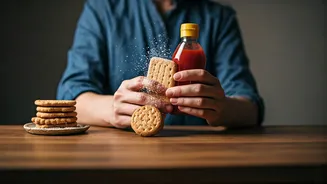
Becoming label-literate might seem daunting, but you can start by focusing on a few key areas. First, always prioritize the ingredients list. Ingredients are listed in descending order by weight, so the first few items make up the bulk of the product. If sugar or a refined flour is one of the first three ingredients, you know it's not a truly healthy choice. Second, beware of the 'serving size' trap. Manufacturers often set unrealistically small serving sizes to make the calorie and sugar counts appear lower. A packet of biscuits might list the nutrition for just two biscuits, even though most people eat the entire row. Always check how many servings are in the package and do the maths. Third, learn to spot hidden sugars. Words ending in '-ose' (like fructose, sucrose, dextrose) and various syrups (like high-fructose corn syrup) are all forms of added sugar. The Indian Council of Medical Research (ICMR) has recently warned that even products claiming to be 'sugar-free' may be loaded with fats, refined cereals, and other forms of hidden sugars.
Spotting Misleading Buzzwords
The front of the package is prime real estate for marketers. Terms like 'natural', 'multigrain', 'healthy', and 'zero maida' are used to create a health halo around a product, but they can be incredibly misleading. 'Multigrain' simply means more than one type of grain is used; it doesn't mean they are whole grains. 'Natural' is a poorly regulated term that means very little. Recently, FSSAI has cracked down on brands making such unsubstantiated claims, from cooking oils with 'Heart Pro' in their name to noodles claiming to be '100% Natural' while using white flour. Your best defence is a healthy dose of scepticism and a commitment to checking the nutrition facts and ingredient list for yourself.
The Quiet Confidence of Knowing
Mastering label literacy is the real wellness flex because it’s a quiet, confident act of self-care. It’s not about showing off; it's about being informed. This skill empowers you to navigate the supermarket with clarity, saving you from wasting money on cleverly marketed junk food and allowing you to invest in foods that genuinely nourish you. It shifts the power from food manufacturers back into your hands. When you can distinguish between real nutrition and clever marketing, you're no longer a passive consumer. You become the active curator of your own health, making choices based on facts, not fads. That's a superpower no expensive trend can buy.