



Nature's Air Purifiers
In our bustling cities, air quality is a persistent concern. Urban greenery acts as a natural filter, with trees and plants absorbing pollutants and fine particulate matter. Trees are particularly effective, trapping toxins from the air and releasing
clean oxygen. This process of sequestration also applies to carbon dioxide, a primary greenhouse gas, making urban forests a crucial tool in mitigating climate change. By improving air quality, green spaces can help reduce the incidence of respiratory problems among city dwellers.
Cooling Our Concrete Jungles
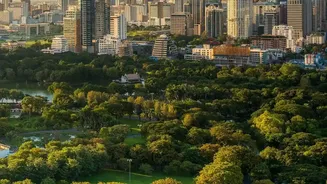
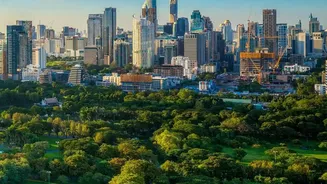
Cities often suffer from the "urban heat island" effect, where dense concentrations of pavement and buildings absorb and retain heat, making urban areas significantly warmer than their rural surroundings. Urban green spaces combat this phenomenon effectively. Trees provide shade that cools surfaces, while the process of evapotranspiration, where plants release water vapour, actively lowers ambient air temperatures. A well-placed park can be several degrees cooler than the surrounding streets, offering a welcome respite during hot summer months and reducing the energy costs associated with air conditioning.
A Sanctuary for Mental Health
The connection between nature and mental wellbeing is profound and well-documented. Spending time in green spaces has been shown to significantly reduce symptoms of stress, anxiety, and depression. Studies indicate that exposure to natural environments can lower levels of cortisol, the body's primary stress hormone. Even a short walk in a park can improve mood, boost self-esteem, and restore mental energy. Proximity to green areas is linked to higher life satisfaction and a greater ability to cope with life's challenges. For those struggling with mental fatigue or a creative block, nature provides a restorative environment that can improve focus and concentration.
Encouraging Active Lifestyles
Beyond the psychological benefits, urban greenery promotes physical health. Parks, walking trails, and open fields provide accessible and often free venues for exercise and recreation. People who live near parks are more likely to engage in physical activities like walking, jogging, or cycling. This increased activity helps combat lifestyle-related health issues such as obesity, cardiovascular conditions, and diabetes. Research suggests that physical activity performed in a green setting offers stronger mental health benefits than the same exercise done indoors, creating a powerful synergy between physical movement and natural surroundings.
Fostering Community and Connection
Green spaces are natural gathering places that strengthen the fabric of a community. Parks and community gardens serve as venues for social interaction, helping to reduce loneliness and foster a sense of belonging. These shared spaces bring neighbours together, creating stronger social ties and promoting a collective identity. Studies have even shown that residential areas with more green spaces tend to have lower rates of crime, partly because these areas encourage positive social encounters and a shared sense of ownership. By providing a platform for everything from children's play to community events, urban greenery helps build more cohesive and resilient neighbourhoods.