

A Mandate for Change, But What Kind?
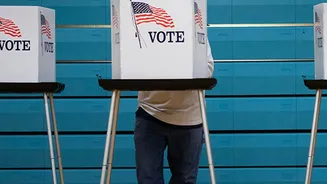
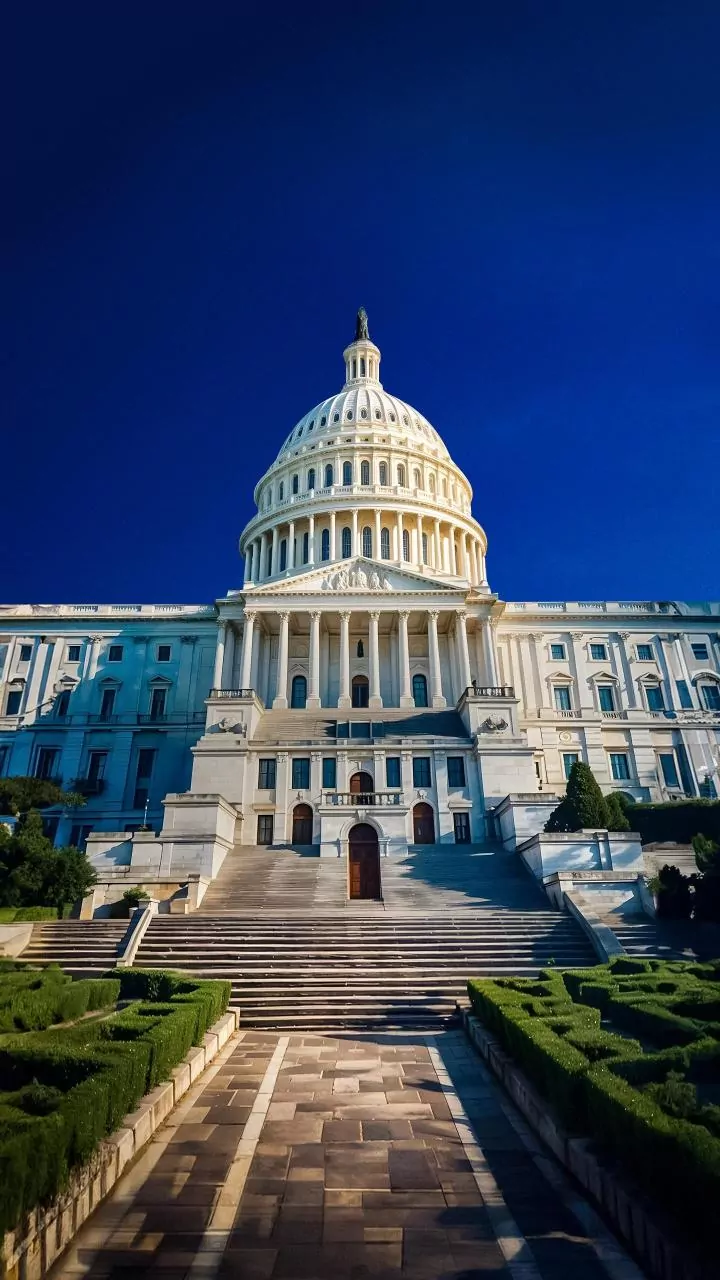
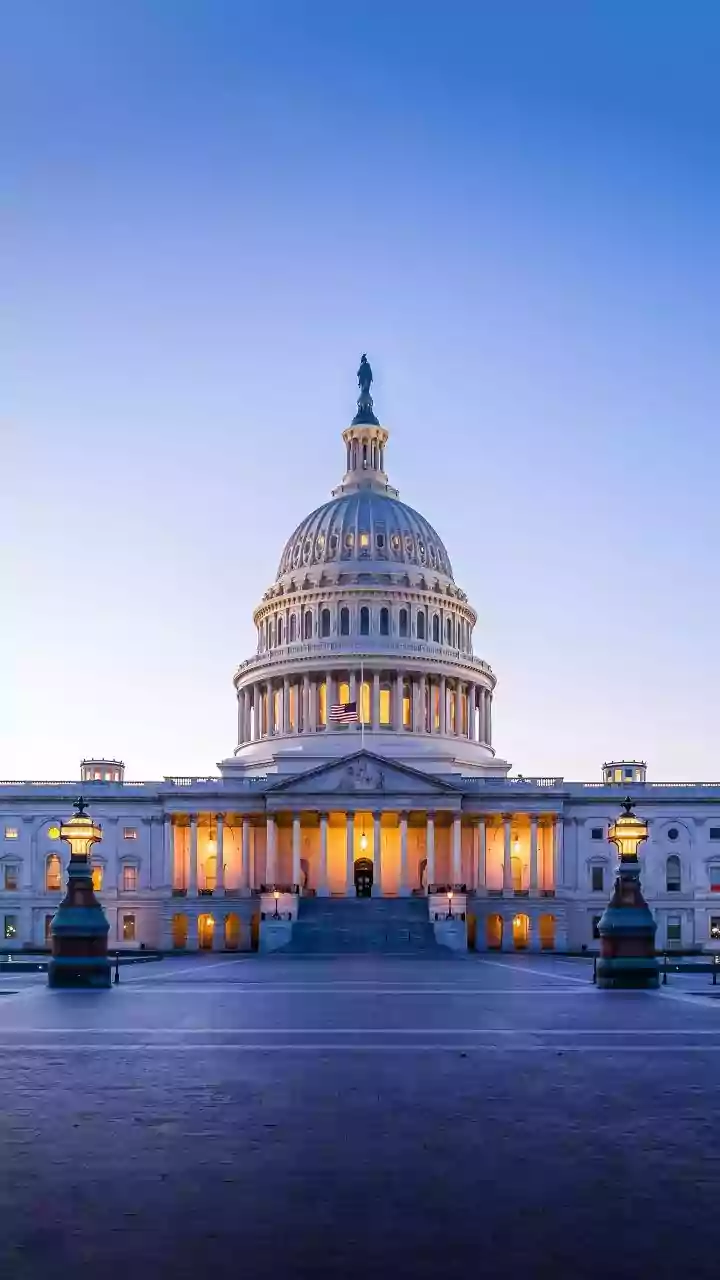
Democrats scored a resounding victory, taking control of both the House of Representatives and the Senate in what many see as a wholesale rejection of President Trump’s second-term agenda. This electoral wave, sweeping through even traditionally Republican
states, signals widespread voter frustration over issues like the unpopular war in Iran, rising costs of living, and a general desire for a change in direction. Yet, a mandate to oppose is not the same as a mandate to govern. The Democratic party itself is a broad coalition of moderates, progressives, and democratic socialists. While they were united in their opposition to the president, it is not yet established whether they can unify around a coherent legislative agenda on complex issues like healthcare, AI regulation, and economic policy. Claiming a mandate and executing on it are two very different things, especially in a fractured political landscape.
The Future of the Republican Party
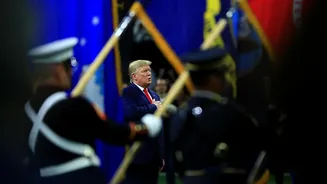
For the Republican party, the results have been described as an 'extinction-level event' in some regions, prompting an urgent identity crisis. Having lost control of Congress, the party now confronts its future after Trump. His strategy of making the midterms a referendum on his own leadership backfired, with voters in key districts rejecting candidates he personally endorsed. This leaves the party at a crossroads. Will it pivot away from the MAGA movement that has defined it for a decade, or will it double down? The coming months will reveal deep fissures within the party as it struggles to find a new vision and message. Potential 2028 presidential hopefuls will have to decide whether to distance themselves from the former president, a risky move that could alienate his loyal base but appeal to a broader electorate tired of the chaos. What the Republican party becomes next is perhaps the biggest unknown.
Can a Divided Government Function?
With Democrats controlling Congress and a Republican president in the White House, Washington now enters a period of divided government. Historically, this can lead to two years of legislative gridlock, where each side focuses more on investigations and scoring political points ahead of the next presidential election than on passing meaningful laws. Democrats are expected to launch a series of investigations into the Trump administration, using their new subpoena power to scrutinize everything from corporate relationships to the war in Iran. However, divided government does not always mean paralysis. Some of the most significant legislation in US history has been passed when power was split. President Trump, who prides himself on being a dealmaker, may see an opportunity to secure legacy-defining bipartisan wins on issues like infrastructure or immigration. But with the 2028 election cycle already looming, the window for such cooperation is narrow.
What Happens to Key Policies?
The election results throw the future of several major policy areas into question. The president will likely rely more heavily on executive orders to advance his agenda, bypassing a hostile Congress. Meanwhile, Democrats will have the power to block his judicial and executive nominations. Key battlegrounds will emerge over government funding, with the risk of a government shutdown increasing if the two sides cannot reach a compromise. There will be pressure from the Democratic base to address affordability by tackling the high costs of healthcare and fuel. But without the president's signature, any major legislative overhauls are unlikely. The result is an environment of regulatory uncertainty for businesses and a lack of clarity for ordinary citizens on the future of policies that directly affect their lives.