



The E-Visa Advantage for Indians
The biggest barrier to international travel is often the visa process, but Oman has streamlined this for Indian citizens. The entire application is handled online through the Royal Oman Police e-visa portal, eliminating the need for embassy visits or complex
paperwork. The costs are remarkably budget-friendly: a 10-day single-entry tourist visa costs just OMR 5 (approximately ₹1,100), while a 30-day visa is priced at OMR 20 (around ₹4,400). Processing is swift, with approvals typically granted within one to five working days. For those who already possess a valid visa from the US, UK, Canada, Japan, or the Schengen Area, Oman may offer visa-free entry for up to 14 days, making a spontaneous trip even easier. This digital-first approach puts Oman firmly on the map for impromptu getaways and planned adventures alike.
Budgeting for Your Omani Adventure
While the visa is cheap, it's important to know that Oman is not a classic, ultra-low-cost backpacking destination like those in Southeast Asia. Daily expenses are higher, but manageable with smart planning. Accommodation will be your biggest cost. While dedicated backpacker hostels are not widespread, you can find budget-friendly guesthouses and hotel apartments in cities like Muscat and Nizwa, especially in neighbourhoods like Ruwi in the capital. To save money on food, skip the tourist-centric restaurants and eat where the locals do. Countless small cafeterias and South Asian eateries offer delicious and filling meals like biryani, shawarma, and fresh juices for just a few rials. A realistic daily budget for a frugal traveller, covering a dorm bed or basic room, local food, and incidental costs, would fall in the range of 15 to 25 OMR.
Getting Around the Sultanate
Oman is a country best explored on four wheels. Within Muscat, the Mwasalat bus system is modern, air-conditioned, and incredibly affordable, connecting major sights and neighbourhoods. However, to truly experience the wadis and mountain valleys, public transport is not a practical option. The most effective way for backpackers to explore the country's rugged landscapes is by renting a car. Fuel is significantly cheaper than in many other countries, making it a cost-effective choice, especially if you're travelling in a small group to split the cost. For exploring the mountainous regions of Jebel Shams or Jebel Akhdar, renting a 4x4 is highly recommended and, in some areas, mandatory. If driving isn't for you, shared taxis and pre-booked tours are alternative options, though they offer less flexibility.
Coastal Charms and City Souqs in Muscat
Muscat serves as the perfect gateway to Oman. This clean, calm capital stretches along the coast, beautifully set between volcanic mountains and the sparkling Arabian Sea. Start your exploration with a visit to the Sultan Qaboos Grand Mosque, an architectural marvel that is free to enter for tourists outside of prayer times. From there, head to the Muttrah district. Spend your afternoon strolling along the Corniche, watching dhows bob in the harbour. As evening approaches, dive into the labyrinthine alleys of the Muttrah Souq, a vibrant marketplace filled with the scents of frankincense, spices, and perfumes. Here you can browse for silver handicrafts, textiles, and traditional Omani goods. Muscat is not a city of skyscrapers; instead, its charm lies in its preserved heritage, pristine public spaces, and relaxed seaside atmosphere.
Conquering the Mountain Valleys
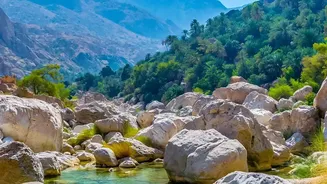
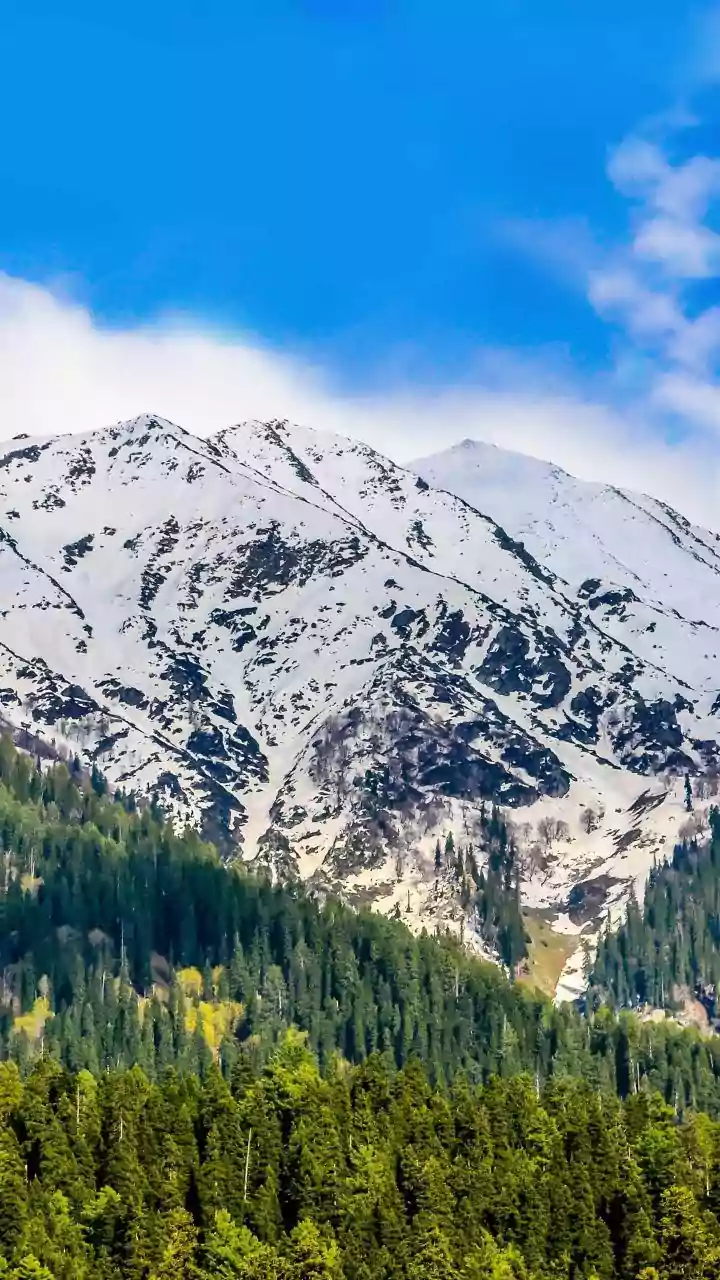
No trip to Oman is complete without venturing into the Al Hajar mountain range. The two most famous destinations here are Jebel Shams and Jebel Akhdar. Jebel Shams, known as the 'Mountain of the Sun', is Oman's highest peak and home to the 'Grand Canyon of Arabia'. The views into the vast Wadi Nakhr are breathtaking, and the famous Balcony Walk is a relatively flat hike along the canyon rim that offers unforgettable vistas. Further east lies Jebel Akhdar, the 'Green Mountain'. True to its name, this area is a plateau of terraced farms, fruit orchards, and picturesque villages irrigated by ancient water channels called 'falaj'. In the spring, the area is covered in blooming Damask roses. Visiting these mountains provides a stunning contrast to the coastal capital and showcases the sheer diversity of Oman's landscapes.