






Why Strength Is Now for Everyone
The perception of strength training has shifted dramatically. Once seen as a niche for bodybuilders, it's now widely recognized as a crucial component of long-term health for everyone. This cultural shift, combined with the rise of online fitness platforms,
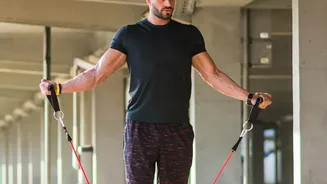
certified virtual coaches, and a wealth of free information, has broken down the barriers to entry. You no longer need a pricey gym membership or complicated machines. The focus has moved from lifting the heaviest weight possible to functional fitness—building strength for everyday life, whether that's carrying groceries, playing with children, or simply improving your posture after a long day at a desk.
The Benefits Beyond Biceps
The reasons to start strength training go far beyond aesthetics. Regular resistance exercise is a powerhouse for your overall well-being. It helps build stronger bones, which is critical for preventing osteoporosis as we age. It also boosts your metabolism, meaning you burn more calories even while at rest, which aids in managing body fat. Furthermore, studies have shown that strength training improves heart health, helps manage blood sugar levels, reduces the risk of falls by improving balance, and can significantly boost your mood and mental health. It’s a foundational habit for a healthier, more resilient life.
Starting Point: Your Own Bodyweight
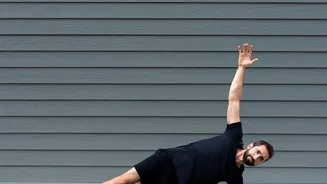
The most accessible piece of equipment you own is your own body. Bodyweight exercises are the perfect starting point because they build a solid foundation of strength and teach you proper movement patterns without the risk of handling heavy loads too soon. You can begin with a few fundamental exercises. The bodyweight squat, for example, is one of the most important movements, strengthening your lower body and core. Push-ups, which can be modified by doing them on your knees or against a wall, are excellent for upper body strength. Lunges improve balance and work your leg muscles, while a plank is a fantastic exercise for building core stability. Focus on mastering the form first, even if you can only do a few repetitions. Quality always trumps quantity.
Graduating to Dumbbells
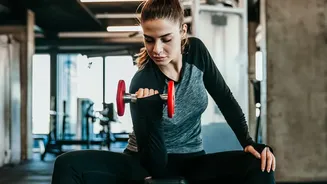
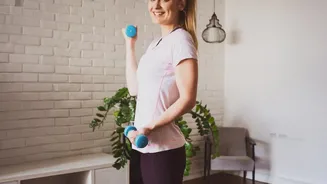
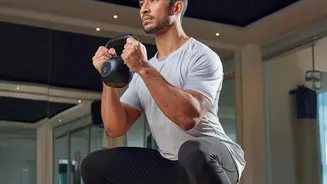
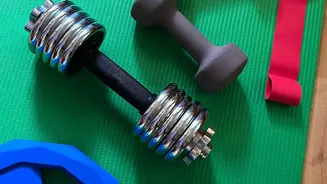
Once you feel confident with bodyweight movements, a pair of dumbbells is the next logical step and a versatile investment for a home gym. Start with a light weight that allows you to complete 10-12 repetitions with good form. Fundamental exercises like bicep curls target the front of your arms, while an overhead press strengthens your shoulders. Chest-supported rows or one-arm dumbbell rows are fantastic for building a strong back and improving posture. You can also add weight to movements you've already mastered, such as holding a dumbbell in front of your chest for a 'goblet squat'. The key is progressive overload—gradually increasing the challenge as you get stronger.
How to Make It a Lasting Habit
The hardest part of any new routine is sticking with it. The key to long-term success is consistency, not intensity. Start slow to avoid burnout and injury. Schedule your workouts as you would any other important appointment to make them a non-negotiable part of your week. Even 15-20 minutes a few times a week can make a huge difference. Find an activity you genuinely enjoy; if you find it boring, you're less likely to continue. Finally, be patient with yourself. Progress takes time, but every session is a step toward a stronger and healthier you. Track your progress, not for judgment, but to see how far you've come.