



The Modern Teen's Pressure Cooker
Between exams, social media, and the simple fact of growing up, today's teenagers are navigating a uniquely stressful landscape. The pressure to succeed academically is immense, often leading to anxiety, sleep loss, and fatigue. At the same time, social lives
are complex and increasingly lived online, creating new avenues for peer pressure and self-doubt. This constant state of high alert can be exhausting, leaving teens feeling overwhelmed and reactive. It is not just in their heads; stress manifests physically through headaches, stomachaches, and difficulty concentrating. Understanding this reality is the first step to finding effective tools for managing it.
More Than Just a Stretch
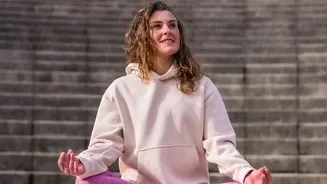
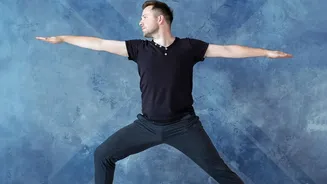
When many people think of yoga, they picture complex poses and extreme flexibility. But at its core, yoga is a mind-body practice that unites physical postures, breathing exercises, and mindfulness. It’s less about achieving a perfect pose and more about building awareness of your body, mind, and breath. For a teenager, this is a revolutionary concept. Instead of competing or comparing, yoga encourages them to focus inward, listen to their own body, and cultivate a sense of self-acceptance. This shifts the focus from external pressures to internal strength and balance.
Calming the Anxious Brain
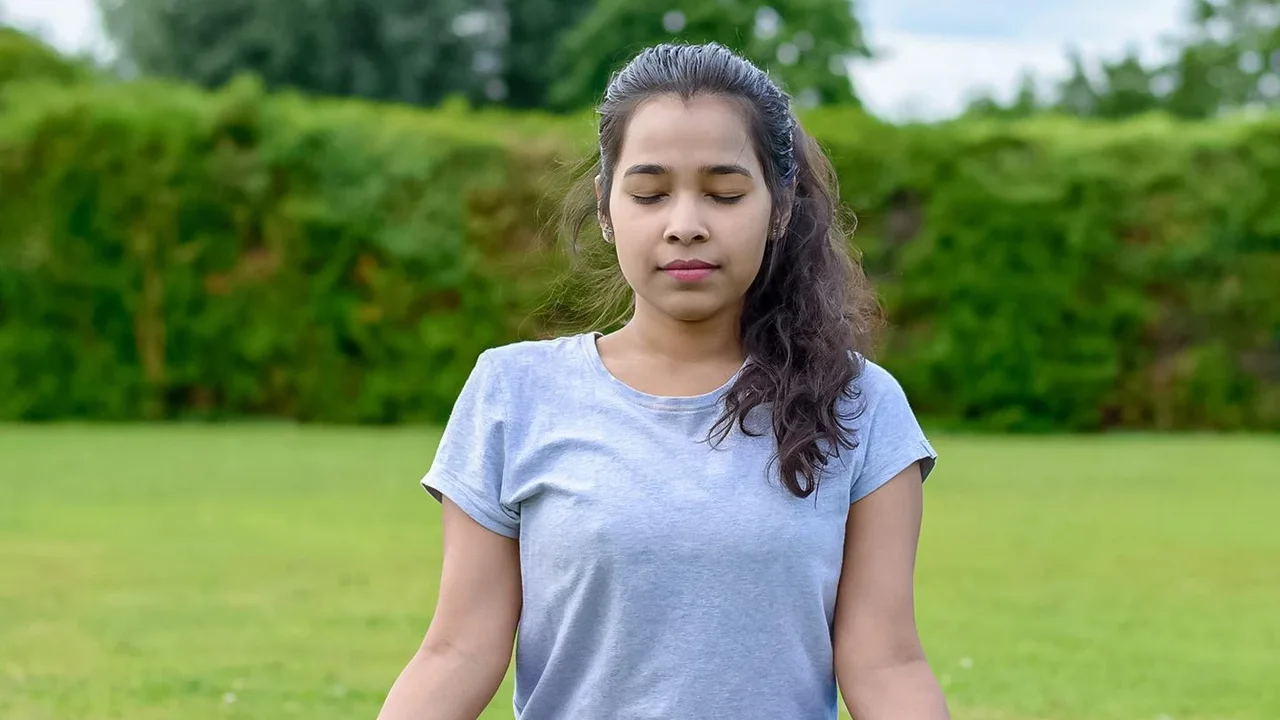
So, how does holding a pose actually cut academic anxiety? The magic lies in the nervous system. When we are stressed, our sympathetic nervous system—the 'fight-or-flight' response—is in overdrive, pumping out stress hormones like cortisol. Yoga, particularly the focus on slow, deep breathing (pranayama), activates the opposing parasympathetic nervous system, which is our 'rest-and-digest' mode. This simple act of mindful breathing can lower heart rate, reduce cortisol levels, and create a physiological sense of calm. Multiple studies have shown that a consistent yoga practice can lead to significant reductions in anxiety and stress symptoms in adolescents, providing them with a tangible tool to use before an exam or after a difficult day.
Building an Emotional Toolkit
Emotional resilience isn't about not feeling stress; it's about how you respond to it. Yoga is an incredible teacher in this regard. The practice builds interoception—the awareness of your internal state. By holding a challenging pose, a teen learns to notice discomfort, breathe through it, and stay steady. This practice on the mat translates directly to life off the mat. Instead of reacting impulsively to a stressful situation, they have a toolkit to pause, notice their feelings without judgment, and choose a more measured response. Research shows that this increased self-regulation and mindfulness leads to better mood, improved focus, and greater self-confidence.
The 'Easy' Path to Consistency
The headline's claim that yoga cuts anxiety 'easily' can be understood not as 'effortless', but as 'accessible'. Unlike many sports or activities, yoga requires no special equipment and can be practiced anywhere. Free videos and apps designed for teens make it simple to start with short, 5-minute sessions at home. The practice is non-competitive and adaptable to any fitness level, which can reduce the self-consciousness many teens feel. The key is consistency, not intensity. By starting small and finding a style that feels good, yoga becomes a sustainable habit—an easy-to-reach tool for a calmer, more resilient life.