




What is GRAP?
The Graded Response Action Plan, or GRAP, is an emergency response mechanism designed to fight air pollution in the Delhi-National Capital Region. Notified in 2017 after a Supreme Court order, it isn't a year-round strategy but a set of measures that
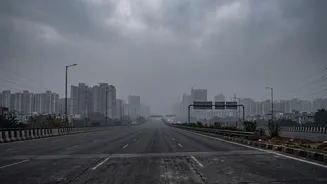
are enforced progressively as the air quality deteriorates. The plan is implemented by the Commission for Air Quality Management (CAQM), a statutory body responsible for air quality in the NCR and adjoining areas. GRAP works by tying specific actions to different levels of air pollution, categorized into four stages based on the Air Quality Index (AQI). The core idea is to act preemptively to prevent the air from becoming severely polluted, especially during the winter months.
Stage 1 Trigger: 'Poor' Air Quality
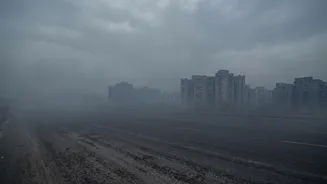
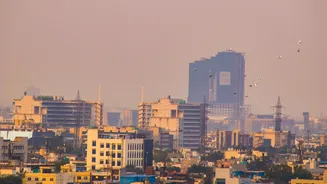
Stage 1 of GRAP is activated when the AQI is in the 'poor' range, which is between 201 and 300. The CAQM invoked these measures on October 21, 2026, after Delhi's AQI jumped from 179 ('moderate') to 244 ('poor'). Forecasts from the India Meteorological Department (IMD) and the Indian Institute of Tropical Meteorology (IITM) predicted that the air quality would likely remain in the 'poor' category in the coming days, prompting the preventative action. The measures under this initial stage are foundational and focus on curbing major sources of particulate matter before the situation worsens. If air quality declines further, stricter measures under Stages 2, 3, or 4 will be added on top of these.
Rules for Construction and Demolition Sites
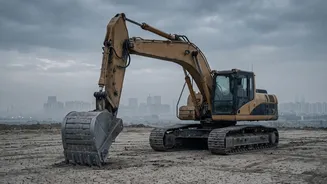
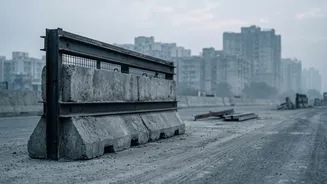
A primary focus of Stage 1 is controlling dust from construction and demolition (C&D) activities. All project sites must strictly enforce dust mitigation measures. This includes regularly sprinkling water, using anti-smog guns, and ensuring that all construction materials and waste are properly covered. A key rule applies to plots of 500 square metres or more; C&D activities on these sites are prohibited if they are not registered on the government's web portal, which is used for remote monitoring of dust control compliance. Violations of these dust control norms can lead to significant fines. Authorities are also tasked with ensuring the regular lifting of C&D waste from designated collection points to prevent illegal dumping.
Guidelines for Industrial Operations
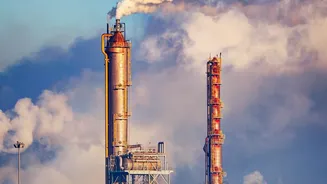
Industrial units across the NCR face heightened scrutiny under Stage 1. The CAQM has directed agencies to intensify inspections of industries to ensure they are complying with all pollution control regulations and emission standards. This includes a strict mandate that all industrial units, including brick kilns and hot-mix plants, use only approved fuels. Any units found to be non-compliant or operating illegally will face strict penal or legal action. The enforcement extends to thermal power plants within 300 km of Delhi, which must also adhere to prescribed emission standards. The goal is to clamp down on industrial emissions as a key contributor to poor air quality.
Restrictions on Fuel and DG Sets
Stage 1 brings specific curbs on fuel usage. The use of coal and firewood in tandoors at hotels, restaurants, and other open eateries is banned. Furthermore, the use of diesel generator (DG) sets is heavily restricted. They are permitted only for emergency and essential services. To reduce reliance on backup generators, the CAQM has instructed authorities to ensure an uninterrupted electricity supply across the NCR. These measures aim to reduce the direct emission of pollutants from two common urban sources: commercial cooking and power backup.
Enforcement and Public Reporting
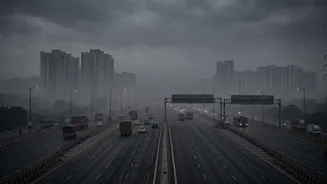
Enforcement of GRAP rules involves multiple agencies and includes a strong emphasis on vehicular pollution. There is a strict enforcement of Pollution Under Control (PUC) certificate norms, with fines and the potential impounding of visibly polluting vehicles. The existing ban on diesel vehicles older than 10 years and petrol vehicles older than 15 years in Delhi continues to be enforced. To ensure compliance, authorities have deployed numerous teams to monitor for violations. Citizens are encouraged to report violations like open waste burning or dust pollution through apps like MCD 311, Green Delhi, and SAMEER, with officials directed to act on these complaints promptly.