






The New 30-Day Visa Exemption Rule
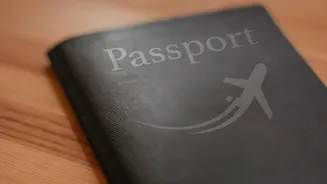
As of September 15, 2026, the Thai government has adjusted its policy for Indian passport holders. The previous 60-day visa exemption has been halved, now allowing a visa-free stay of up to 30 days for tourism purposes. This change was implemented to better
manage the flow of tourists and prevent misuse of the visa system. For most holidaymakers, 30 days is ample time to explore key destinations. However, for those dreaming of a more immersive experience, this change requires planning ahead if you wish to stay longer. It's crucial to remember that this entry is for tourism only; you are not permitted to work. Travellers should also carry proof of a valid passport, a confirmed return ticket, and sufficient funds for their stay.
Option 1: The 30-Day Visa Extension
If you're already in Thailand and decide you want to extend your adventure, your most straightforward option is to apply for a one-time visa extension. This can grant you up to an additional 30 days of stay. To do this, you must visit a local Thai Immigration Bureau office before your initial 30-day permit expires. The process typically requires your passport, a completed application form (TM.7), a recent passport-sized photograph, and a fee of 1,900 Thai Baht. It is essential to apply while your current permission to stay is still valid. Waiting until it expires will classify you as an overstayer, which comes with daily fines and other complications. Approval is at the discretion of the immigration officer, so ensure all your documents are in order and you present a clear case for wanting to extend your tourist stay.
Option 2: Securing a 60-Day Tourist Visa in Advance
For those who know from the outset that their trip will exceed 30 days, the best approach is to secure a proper tourist visa before leaving India. You can apply for a Single-Entry Tourist Visa (TR) through the official Thai e-Visa website or a designated Royal Thai Embassy or Consulate. This visa grants an initial stay of 60 days. Furthermore, this 60-day visa can also be extended by another 30 days at an immigration office within Thailand, potentially allowing for a total stay of up to 90 days. This pre-planned approach avoids the uncertainty of last-minute extensions and ensures your entire trip is on a solid legal footing, making it the recommended path for long-stay travellers.
A Word of Caution on 'Border Runs'
In the past, some long-term travellers used a method called a "border run"—exiting Thailand to a neighbouring country by land and re-entering the same day to receive a new visa-exempt stamp. However, Thai immigration authorities have become much stricter about this practice. While technically still possible, there is now a limit of two land border entries per calendar year for visa-exempt travellers. Officials are actively cracking down on those suspected of using this method to live or work illegally in the country. Relying on border runs is a risky strategy in 2026 and could result in being denied re-entry. It is far safer to use official channels like a pre-arranged visa or a formal extension.
The High Cost of Overstaying Your Visa
Staying in Thailand beyond your permitted date is a serious offence with significant consequences. The fine for overstaying is 500 Thai Baht per day, with a maximum fine of 20,000 Baht. While paying a fine for a short overstay might seem minor, longer periods have severe repercussions. Overstaying for more than 90 days will result in deportation and a ban from re-entering Thailand for at least one year. The length of the ban increases with the duration of the overstay, potentially reaching up to 10 years or even a lifetime ban. An overstay record can also complicate future travel to other countries. The penalties for being caught by authorities are much harsher than for voluntarily reporting your overstay at an immigration office. It's a risk that is simply not worth taking.