

Why Mental Exercise Matters
Environmental enrichment is the process of enhancing a pet's surroundings to satisfy their psychological and physiological needs. In simple terms, it's about making their world more interesting. For animals that originally evolved to hunt, forage, and explore,
a simple indoor life can lead to boredom and frustration. This can manifest in destructive behaviours like chewing furniture, excessive barking, or scratching where they shouldn't. Enrichment helps reduce stress by giving pets a sense of control and an outlet for their natural instincts, such as sniffing, stalking, and problem-solving. It's not a luxury; it is a fundamental component of their overall health and well-being.
Spotting the Signs of Boredom
How do you know if your pet is under-stimulated? Sometimes the signs are obvious, but often they are subtle. For dogs, look for repetitive behaviours like pacing, excessive licking, or constant attention-seeking. They might also become more destructive or start escaping the yard. Cats may show their boredom by over-grooming, becoming more aggressive with you or other pets, or urinating outside the litter box. An increase in vocalisation or chasing 'invisible' prey can also signal a mind that is not getting enough to do. Recognising these behaviours is the first step toward creating a more engaging home.
Canine Enrichment: Ideas for Dogs
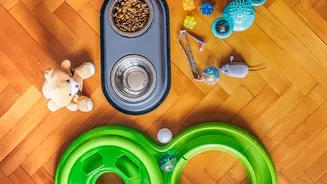
Engaging a dog's mind often involves tapping into their powerful sense of smell and desire to work for a reward. Instead of just placing food in a bowl, make mealtimes a fun challenge. Puzzle feeders and treat-dispensing toys require your dog to think and problem-solve to get their meal. Scent games are another fantastic option. Simply hiding treats around a room and encouraging your dog to 'find it' provides immense mental satisfaction. For a simple DIY option, place treats in a muffin tin and cover each cup with a tennis ball; your dog will have to figure out how to remove the balls to get the reward. Even short, positive training sessions to learn a new trick can be as tiring as a long run.
Feline Fun: Stimulating Your Cat
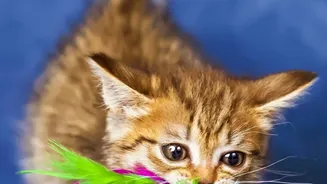
Cats are natural hunters, and their enrichment should cater to these instincts. Interactive play with wand toys that mimic the movement of prey is crucial for letting them stalk, chase, and pounce. To satisfy their need to feel secure, providing vertical space is essential. Cat trees, window perches, and wall shelves allow them to survey their territory from a safe vantage point. You can also make 'kitty TV' by setting up a bird feeder outside a window. For food-based fun, puzzle feeders designed for cats or even a simple DIY toy made from a toilet paper roll filled with treats can turn eating into an engaging hunt.
DIY and Budget-Friendly Solutions
Enrichment doesn't have to be expensive. Many of the best toys can be made from items you already have. A simple cardboard box can become a 'busy box' for a dog to shred or a hiding place for a cat. Tying strips of an old t-shirt or fleece onto a rubber mat creates a 'snuffle mat' for dogs to forage for treats. For cats, a paper bag (with handles removed for safety) can be a fun tunnel and hiding spot. You can also create an indoor obstacle course with pillows and blankets for either pet to navigate. Always supervise your pet with new toys to ensure they are playing safely.