



What Exactly Are Microgreens?
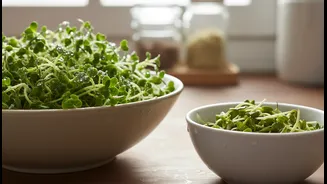
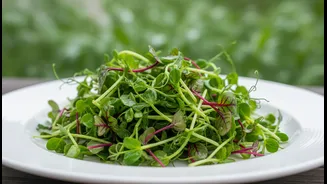
Microgreens are the young, tender seedlings of edible vegetables and herbs. Harvested just after the first true leaves have developed, they are essentially the 'toddler' stage of a plant, more mature than a sprout but younger than a baby green. Despite
their small size, typically 2 to 8 cm tall, they are celebrated for having a concentrated nutrient content, often containing 4 to 40 times more vitamins and antioxidants than their mature counterparts. Popular and easy-to-grow varieties in India include radish (mooli), fenugreek (methi), mustard (sarson), and amaranth (chaulai).
A Nutrient Powerhouse for Your Immune System
To fight off seasonal illnesses, your immune system needs a steady supply of key nutrients, and microgreens deliver them in abundance. Many varieties are incredibly rich in Vitamin C, a powerful antioxidant essential for the production of white blood cells that fight infection. They are also loaded with other immune-supporting vitamins like A and K, minerals such as iron, zinc, and potassium, and a host of antioxidants that protect your cells from damage. For instance, broccoli microgreens contain sulforaphane, while radish microgreens provide antibacterial properties, making them excellent additions for strengthening your body's natural defences.
The Monsoon Challenge: Why Raw Isn't Always Right
During the monsoon, the increased humidity and moisture create ideal conditions for bacteria, viruses, and parasites to thrive. Contaminated water sources can easily transfer pathogens like E. coli, Salmonella, and Cyclospora onto the surface of fresh produce. Health experts in India often advise against consuming raw vegetables, especially leafy greens, during this season to avoid food-borne illnesses like gastroenteritis, typhoid, and cholera. While washing vegetables is crucial, it may not be enough to eliminate microscopic parasites that cling to the surface, posing a significant health risk.
The Sauté Solution: Unlocking Nutrients Safely
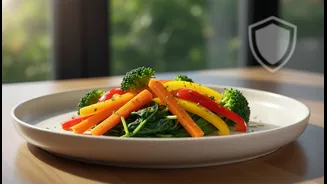
This is where a little heat comes to the rescue. Lightly sautéing microgreens is the perfect way to make them safe for consumption during the monsoon without sacrificing too much of their nutritional value. Cooking is one of the most effective ways to kill harmful bacteria and parasites that may be present on raw vegetables. While some heat-sensitive nutrients like Vitamin C may be slightly reduced, other nutrients and antioxidants can become more available for your body to absorb. The key is to cook them quickly over moderate heat. A gentle stir-fry for just a few minutes is enough to ensure safety while preserving the majority of their health benefits.
How to Sauté Microgreens for Maximum Benefit
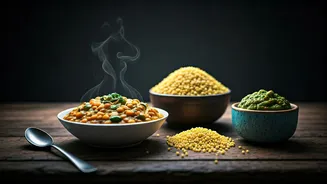
Sautéing microgreens is simple and fast. Start by gently washing the greens and patting them dry. Heat a small amount of a healthy oil, like ghee or coconut oil, in a pan over medium heat. You can add aromatics like minced garlic or ginger for extra flavour. Add the microgreens to the pan and stir-fry for just 1-2 minutes, until they are slightly wilted but still vibrant green. Overcooking can lead to significant nutrient loss, so a short cooking time is essential. You can then add them to dals, curries, omelettes, or simply enjoy them as a quick side dish to any meal.