



The Problem with Oil and Water
The old saying that oil and water don't mix is at the heart of this issue. When hair is dripping wet, the hair shaft is already swollen with water. Applying a thick layer of oil at this stage can create a barrier that either prevents the oil’s nutrients
from penetrating the hair shaft or, conversely, traps an excessive amount of water inside the cuticle. Celebrity hairstylist Michael Douglas explains that oil applied to damp hair will separate from the water as it evaporates. However, the key is the amount of water. Applying oil to sopping wet hair can lead to a greasy, uneven application because the oil may just slide off the strands along with the excess water. Instead of locking in a healthy amount of moisture, you might be creating a greasy mess or diluting the oil's effectiveness.
The Risk of 'Hygral Fatigue'
One of the most significant risks of keeping hair overly moisturised is a condition called hygral fatigue. This occurs when the hair cuticle repeatedly swells (when wet) and contracts (when dry), a cycle that weakens the hair's structure over time. Think of it like a rubber band that loses its elasticity after being stretched too many times. Constantly trapping too much water in the hair by sealing it with oil can contribute to this damaging process, leading to frizz, dullness, a mushy or gummy feeling when wet, and increased breakage. Hair with high porosity, which has a more open cuticle structure, is particularly susceptible to hygral fatigue as it absorbs and loses water very easily.
The 'Damp, Not Dripping' Gold Standard
The expert consensus points to a simple adjustment: apply oil to damp, not soaking wet, hair. After washing, gently towel-dry your hair or let it air-dry until it’s about 70-80% dry. At this stage, the hair cuticles are slightly open, making them receptive to the oil. The oil can then effectively seal in the perfect amount of residual water, locking in hydration without overloading the hair shaft. This technique helps smooth the cuticle, reduce frizz, and allows for better, more even distribution of the product. Board-certified dermatologist Dr. Hadley King suggests the 'golden window' for oil absorption is within three minutes of towel-drying.
Less Is More: Application and Scalp Care
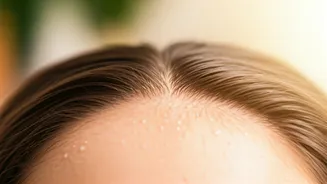
The amount of oil you use is just as important as when you apply it. Dermatologist Dr. Rinky Kapoor warns that soaking your hair in oil is counterproductive, as it requires more shampoo to wash out, which can strip the hair. A few drops—or a pea-sized amount—warmed between your palms is often enough. Focus the application on the mid-lengths and ends, which are the oldest and typically driest parts of your hair. While traditional 'champi' often involves vigorous scalp massage, some dermatologists advise caution. Dr. Shilpi Khetarpal of the Cleveland Clinic notes that applying oil directly to the scalp can sometimes increase the risk of issues like dandruff (seborrheic dermatitis) for some people. Dermatologist Dr. Ankur Sarin recommends applying oil to the hair strands rather than the scalp and leaving it on for a couple of hours instead of overnight to prevent clogged follicles.
Choosing the Right Oil for the Job
Not all oils are created equal. They generally fall into two categories: penetrating and sealing. Penetrating oils, like coconut oil, have smaller molecules that can enter the hair shaft to provide deep nourishment. In fact, one study highlighted coconut oil's positive effects on the scalp microbiome. Sealing oils, such as jojoba or argan oil, have larger molecules and work by coating the hair's surface to lock in moisture and add shine. The best choice depends on your hair's porosity and your goals. High-porosity hair often benefits from sealing oils applied to damp hair, while low-porosity hair might respond better to lighter, penetrating oils used more sparingly.