

The Fiery Heart of Vada Pav
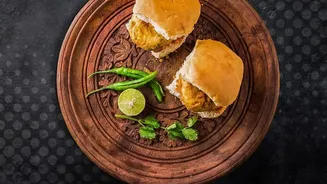
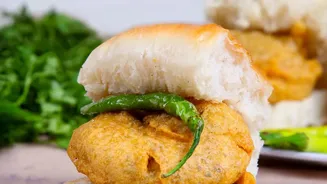
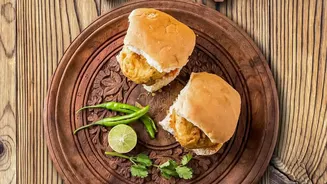
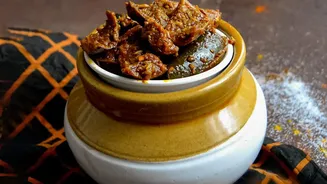
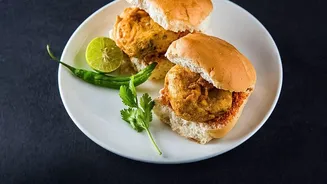
Known as 'sukha lasun chutney' or 'lasun khobra chutney' in Marathi, this coarse, reddish-brown powder is what separates a good Vada Pav from a great one. Unlike wet green or tamarind chutneys, its dry texture is designed to cling to the soft pav without
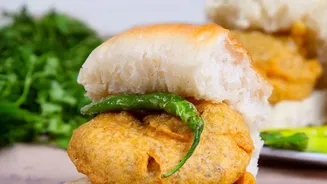
making it soggy, providing a concentrated burst of spicy, garlicky, and nutty notes. It's the essential taste that many associate with authentic street-style Vada Pav, adding a powerful zing that complements the savoury potato vada perfectly. For many, a Vada Pav without this sprinkle of 'gunpowder' is simply incomplete.
Anatomy of the Chutney
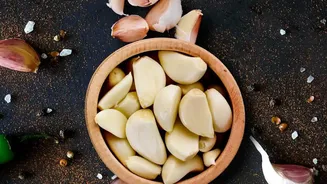
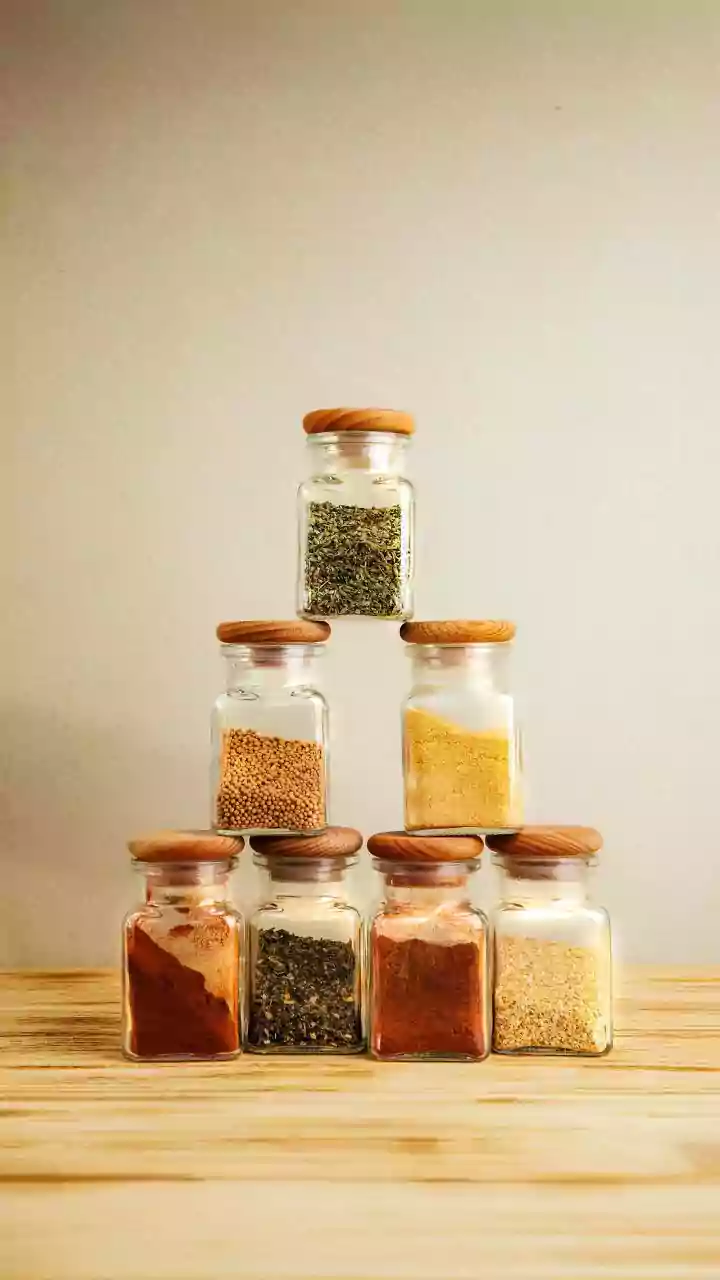
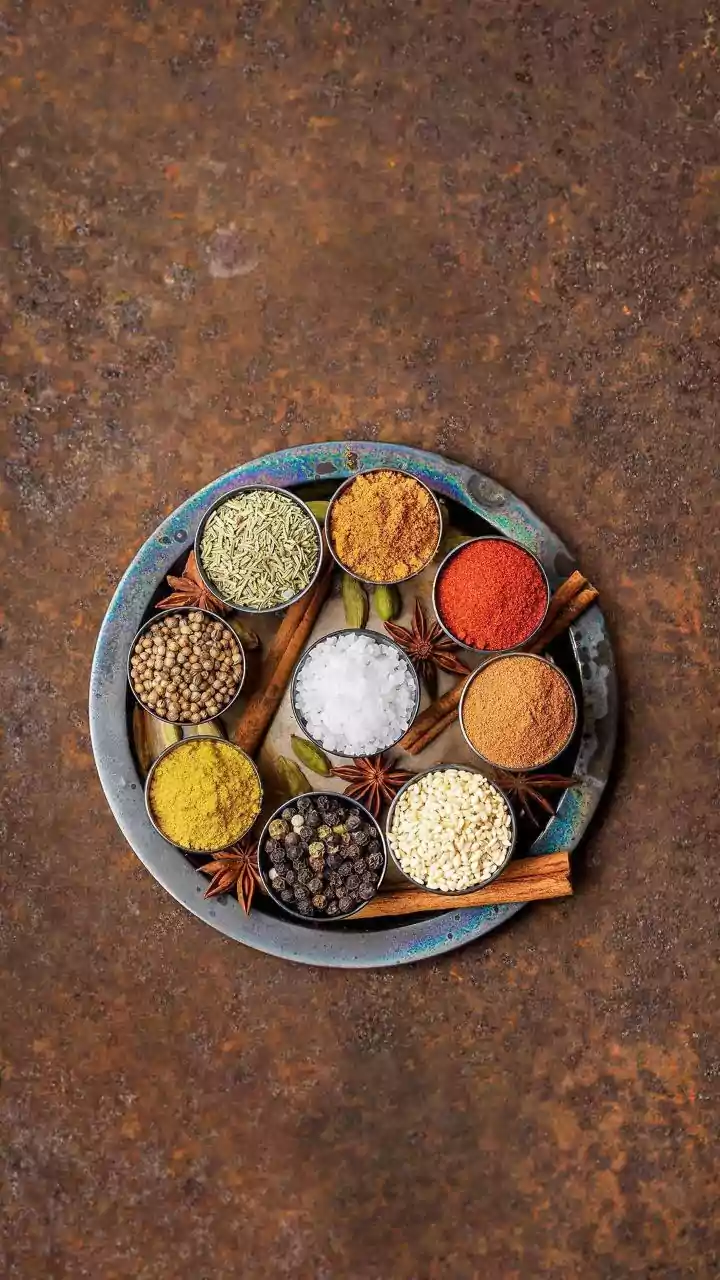
The beauty of this Maharashtrian staple lies in its simple, yet potent, combination of ingredients. Each component plays a crucial role. Garlic is the star, providing the sharp, pungent flavour it's named for. Dry coconut (khopra or desiccated coconut) offers a subtle sweetness and a 'meaty' texture that forms the base of the powder. Red chillies, often the Kashmiri variety, are used for their vibrant colour and manageable heat. Beyond these basics, many recipes include roasted peanuts (shengdana) and sesame seeds, which add a delightful crunch and nutty depth. A pinch of salt ties all the flavours together.
Crafting the Classic Chutney
Making this chutney at home is surprisingly simple. The traditional method involves roasting each ingredient separately to bring out its maximum flavour. Start by dry-roasting dry grated coconut on a low flame until it turns golden and aromatic, then set it aside. Do the same with peanuts and sesame seeds, if using. The garlic cloves can be sautéed in a tiny drop of oil until they are lightly browned and fragrant. Once all the ingredients have cooled completely, combine them in a grinder with red chilli powder and salt. The key is to pulse the mixture in short bursts. Grinding it continuously will release oils from the coconut and peanuts, turning your dry powder into a paste. The goal is a coarse, crumbly texture.
Simple, Powerful Variations
While the core recipe is fantastic, several variations allow you to tailor it to your taste. For a nuttier, richer flavour, increase the amount of peanuts; this version is often called Shengdana Chutney. If you prefer a more intense garlic kick, simply add more cloves. For those who enjoy a hint of tanginess, some recipes incorporate a small amount of tamarind or amchur (dry mango powder). A fascinating street-vendor trick involves adding fried boondi (tiny fried gram flour balls) to the mix. This mimics the taste and texture of the crispy batter bits left over from frying the vadas, adding an extra layer of crunch and flavour.
Beyond the Vada Pav
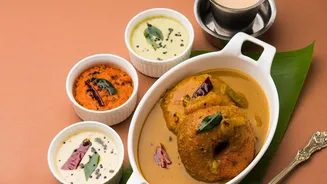
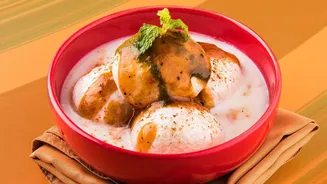
Don't limit this flavourful powder to just Vada Pav. Its versatility is one of its greatest strengths. It's a wonderful accompaniment to simple meals like dal and rice or khichdi. You can sprinkle it over idlis and dosas, or mix it with a bit of ghee or oil and spread it on hot chapatis or bhakri (millet flatbread). Try mixing it into soft butter to create a spicy garlic bread spread, or use it as a dry rub for roasted vegetables. It can even add a zesty kick to sandwiches, burgers, or parathas, making it a valuable, multi-purpose condiment to keep in your pantry.