


The Return of Ancient Grains
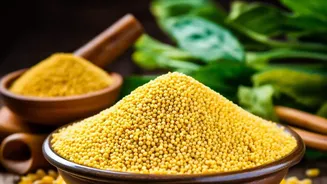
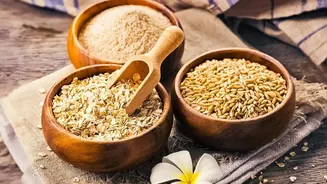
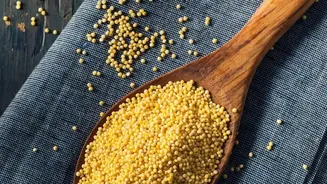
For thousands of years, millets like jowar (sorghum), bajra (pearl millet), and ragi (finger millet) were staples in Indian kitchens. These hardy, nutrient-dense grains are making a major comeback. Valued for their resilience in harsh climates and impressive
nutritional profiles, they offer a healthy and sustainable alternative to refined wheat flour (maida), which is often low in fibre and nutrients. By swapping refined flour for millet flour in classic snacks, you're not just following a trend; you're re-embracing a tradition of wholesome eating.
The Science Behind the Crunch
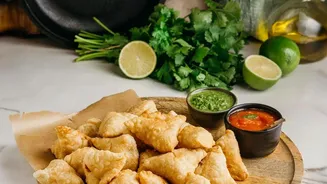
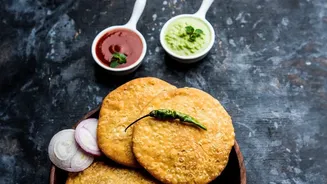
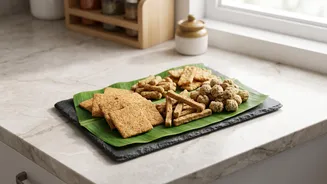
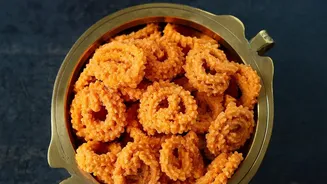
The magic of millet flours lies in their structure. Unlike wheat, millets are naturally gluten-free. Gluten is the protein that gives wheat dough its elasticity, leading to a soft, chewy texture in breads and some snacks. Since millets lack this, their flour creates a denser, more crumbly dough. When baked, this results in a short, crisp, and delightfully crunchy texture. This makes them perfect for snacks where crunch is key, such as mathri, chakli, and crackers. So, that satisfying snap isn't an accident; it's the natural property of the grain at work.
A Boost of Healthy Fibre
One of the standout benefits of millets is their high dietary fibre content, which is significantly more than refined wheat. This fibre is crucial for good digestion and promoting a healthy gut. Including fibre-rich snacks in your diet can also help you feel full for longer, which can aid in weight management. For instance, bajra is particularly noted for its insoluble fibre, which helps with digestion. Ragi is also an excellent source of dietary fibre. This means your baked millet snacks are not just empty calories; they're contributing to your overall well-being.
Choosing the Right Millet for Your Snack
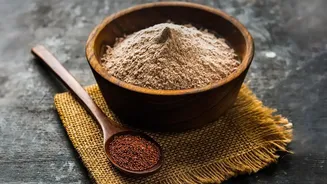
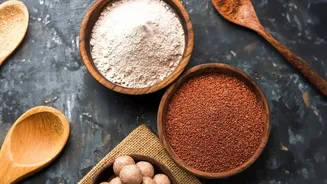
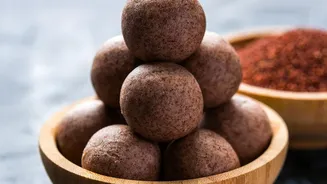
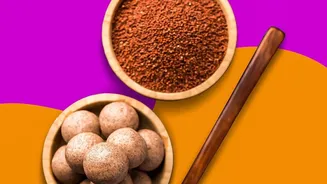
Different millets have unique flavours and properties, so choosing the right one can elevate your snack. 'Jowar (Sorghum):' With a mild, slightly sweet flavour, jowar flour creates a wonderfully light and crisp texture. It's an excellent choice for baked mathri, crackers, and cookies. 'Bajra (Pearl Millet):' Known for its distinct nutty and earthy taste, bajra gives snacks a rustic, dense crunch. It’s ideal for flavourful baked crisps and matri, especially when paired with spices like carom seeds and fenugreek. 'Ragi (Finger Millet):' Ragi has a unique flavour and is a nutritional powerhouse, packed with calcium and iron. Its properties make it great for adding a wholesome twist to baked goods like cookies (nankhatai) and even some cakes, though it's often best blended with other flours.
Tips for Perfect Millet Baking
Baking with gluten-free flours like millets can be a little different from using wheat. Because there's no gluten, the dough can be dry and crumbly. It's important to knead the dough well, sometimes with warm water, to properly hydrate the flour. You may also need a binding agent like flaxseed gel or even just paneer to help the dough hold together. Chilling the shaped dough before baking helps the snacks maintain their structure and results in a better crunch. Finally, roll the dough thin and even for a uniformly crispy result, and don't be afraid to prick the snacks with a fork before baking to prevent them from puffing up too much.