




Why Regular Pest Checks Are Crucial
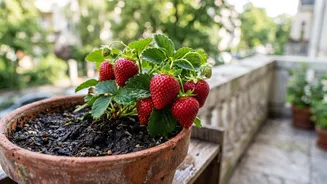
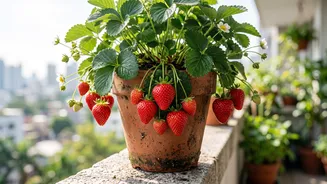
Balcony gardens provide a convenient, controlled environment for growing fruit, but they are not immune to pests. Container-grown strawberries can be particularly vulnerable. Pests like aphids and spider mites thrive in the warm, sheltered conditions
that balconies often provide. Early detection is your best defence. A small infestation is much easier to manage than a full-blown one, which can weaken your plants, reduce your harvest, and even spread to other pots. A weekly inspection is a simple habit that pays off in healthy plants and juicy berries. By catching problems early, you can often use simple, non-chemical methods to keep your strawberry patch thriving.
How to Inspect Your Plants
A thorough pest check only takes a few minutes. You don't need much more than your eyes and perhaps a small magnifying glass to see the tiniest culprits. Start by looking at the overall health of the plant. Are the leaves green and vibrant, or are they yellowing, spotted, or curled? Pay close attention to the undersides of the leaves, as this is a favourite hiding spot for many pests like spider mites and aphids. Look along the stems and in the crown of the plant where new leaves emerge. Also, check the surface of the soil for any signs of slugs or other crawling insects. Note any fine webbing, sticky residue (known as 'honeydew'), or distorted new growth.
Common Culprit 1: Aphids
Aphids are small, pear-shaped insects that can be green, black, yellow, or pink. They use their piercing mouthparts to suck sap from the tender new growth of strawberry plants, causing leaves to curl and become distorted. They often cluster on the undersides of leaves and on flower stems. Aphids also excrete a sticky substance called honeydew, which can lead to the growth of sooty mould. For a small problem, a strong blast of water from a spray bottle can be enough to dislodge them. For more persistent colonies, an application of insecticidal soap or neem oil spray can be effective. These are safer options for a balcony garden where chemical pesticides are best avoided.
Common Culprit 2: Spider Mites
Spider mites are not actually insects but are related to spiders. They are incredibly tiny and can be difficult to see with the naked eye. The first sign of their presence is often a fine, pale stippling or yellow spotting on the leaves. As the infestation grows, you may see delicate webbing on the undersides of leaves and along the stems. These pests thrive in hot, dry conditions. A severe infestation can cause leaves to turn bronze or yellow and may stunt the plant's growth. To control them, increase humidity by misting your plants with water. Regularly spraying the undersides of the leaves can disrupt their colonies. Horticultural oils or neem oil are also effective treatments.
Common Culprit 3: Slugs and Snails
If you find irregular holes chewed in your strawberries, slugs and snails are the likely offenders. These molluscs are most active at night or on overcast days, hiding during sunny periods. They leave behind tell-tale slime trails on leaves, pots, and the fruit itself. To manage them, it's crucial to make the environment less inviting. Avoid leaving damp debris around your pots where they can hide. You can handpick them off your plants after dark. A simple trap made from a shallow dish of beer can also be surprisingly effective; they are attracted to the yeast, fall in, and drown.
Simple Prevention Is Your Best Tool
Healthy, robust plants are naturally more resistant to pests. Ensure your strawberries have good air circulation by not overcrowding your pots. Water them consistently at the base of the plant to keep the foliage dry, which helps prevent fungal diseases that can attract pests. Avoid using excessive nitrogen-rich fertilizers, as this promotes soft, leafy growth that is highly attractive to aphids. Before bringing any new plant onto your balcony, inspect it thoroughly to avoid introducing pests to your existing garden. A little prevention goes a long way in keeping your container strawberries healthy and productive.