
The 'Use It or Lose It' Principle in Zero G
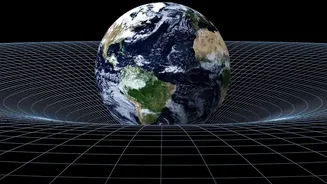
On Earth, every step, every time you stand up, every time you lift a bag of groceries, you are working against gravity. This constant resistance forces your muscles and bones to stay strong enough to support your body. In the microgravity environment
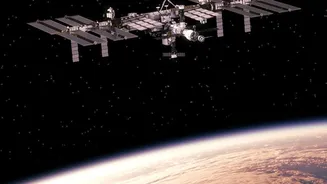
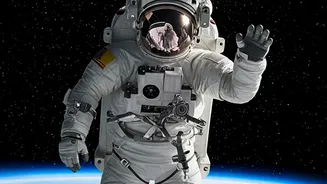
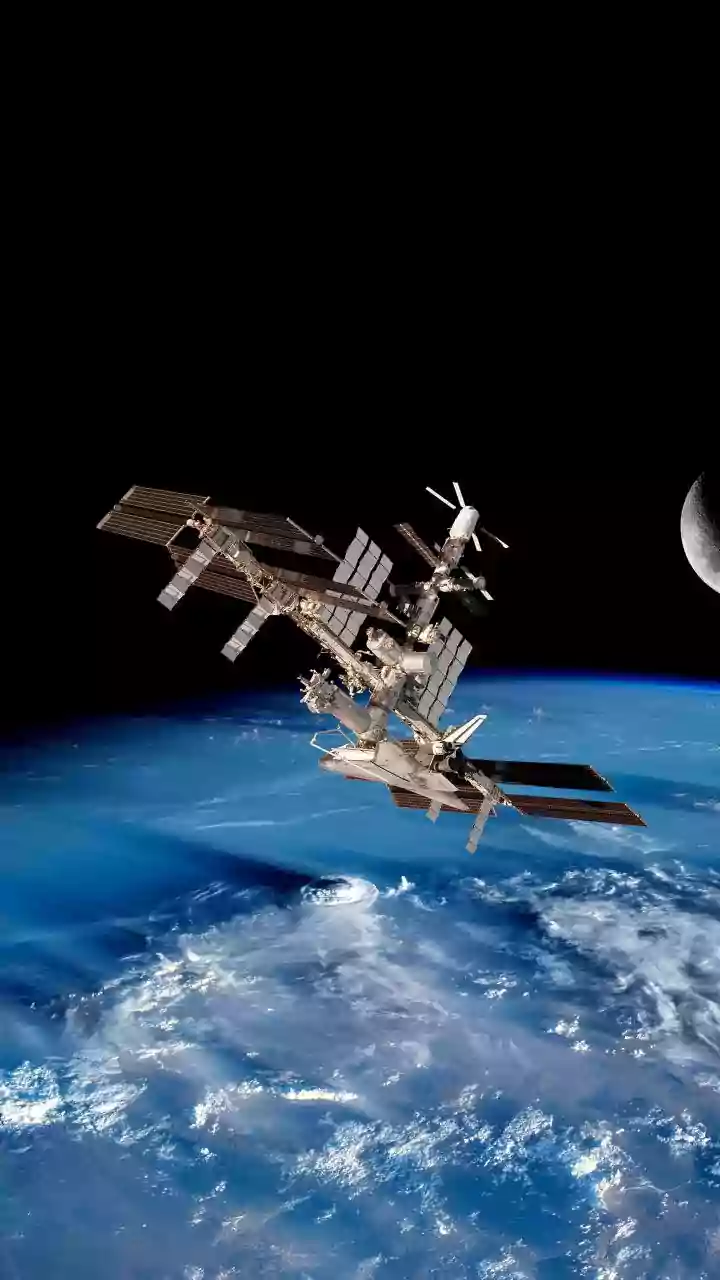
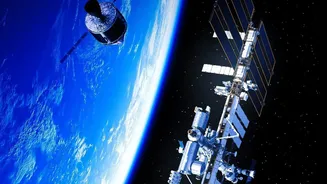
of the International Space Station (ISS), that resistance vanishes. Without the load of gravity, the body quickly decides it doesn't need all that dense bone and powerful muscle. Astronauts can lose 1% to 2% of their bone mineral density for every month spent in space, particularly in weight-bearing bones like the pelvis and legs. This rate of loss is comparable to what an elderly person with osteoporosis might experience over a year on Earth. Similarly, muscles, especially postural muscles in the back and legs, begin to atrophy from disuse. Without countermeasures, an astronaut could lose up to 20% of their muscle mass on a long-duration mission.
The High-Tech Gym in the Sky
To fight this rapid physical decline, astronauts adhere to a rigorous exercise regimen, working out for about two to two-and-a-half hours every single day. But you can't just lift weights when the weights themselves are weightless. The ISS is equipped with a suite of sophisticated exercise machines designed specifically for a zero-G environment. The T2 treadmill, for example, requires astronauts to strap themselves in with a harness that uses bungee-like cords to pull them onto the running surface, simulating body weight. For strength training, they use the Advanced Resistive Exercise Device (ARED). This machine uses vacuum cylinders to create resistance of up to 600 pounds, allowing astronauts to perform essential exercises like squats, deadlifts, and bench presses that maintain bone and muscle in the absence of gravity. A stationary bicycle, the CEVIS, rounds out the cardiovascular equipment.
More Than Just Staying 'Fit'
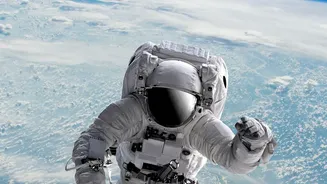
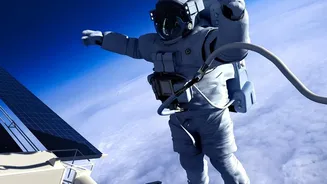
This daily grind isn't about maintaining a beach body; it's a critical medical necessity for mission success and for an astronaut's life upon returning to Earth. In the early days of spaceflight, before these countermeasures were well understood, cosmonauts and astronauts would return so weak they had to be carried from their capsules. The effects of microgravity are systemic, also affecting the cardiovascular system, which grows lazy when it doesn't have to pump blood 'uphill' against gravity. Without daily exercise, an astronaut would not only face an extreme risk of fractures upon returning to Earth's gravity but might also lack the strength to perform physically demanding tasks during the mission, like a spacewalk, or to evacuate the capsule in an emergency landing.
Training for the Next Giant Leap
The research into mitigating muscle and bone loss is about more than just keeping crews on the ISS healthy. It's fundamental to the future of human space exploration. A mission to Mars could last three years, and scientists are still working to understand if bone loss would continue to worsen over that timeframe or eventually plateau. A 2020 study modeled the effects of a Mars mission and predicted that a significant percentage of the crew could be at risk for osteoporosis. Therefore, refining and improving exercise routines and equipment is paramount. The data gathered from every astronaut's workout on the ISS helps scientists design more effective countermeasures, ensuring that when humans finally take their first steps on Mars, they'll have the physical strength to do it safely.