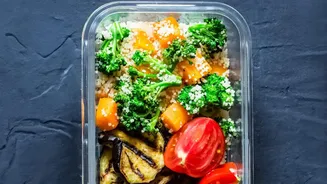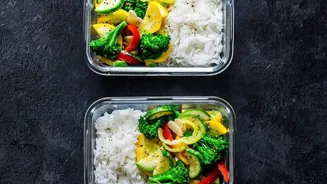


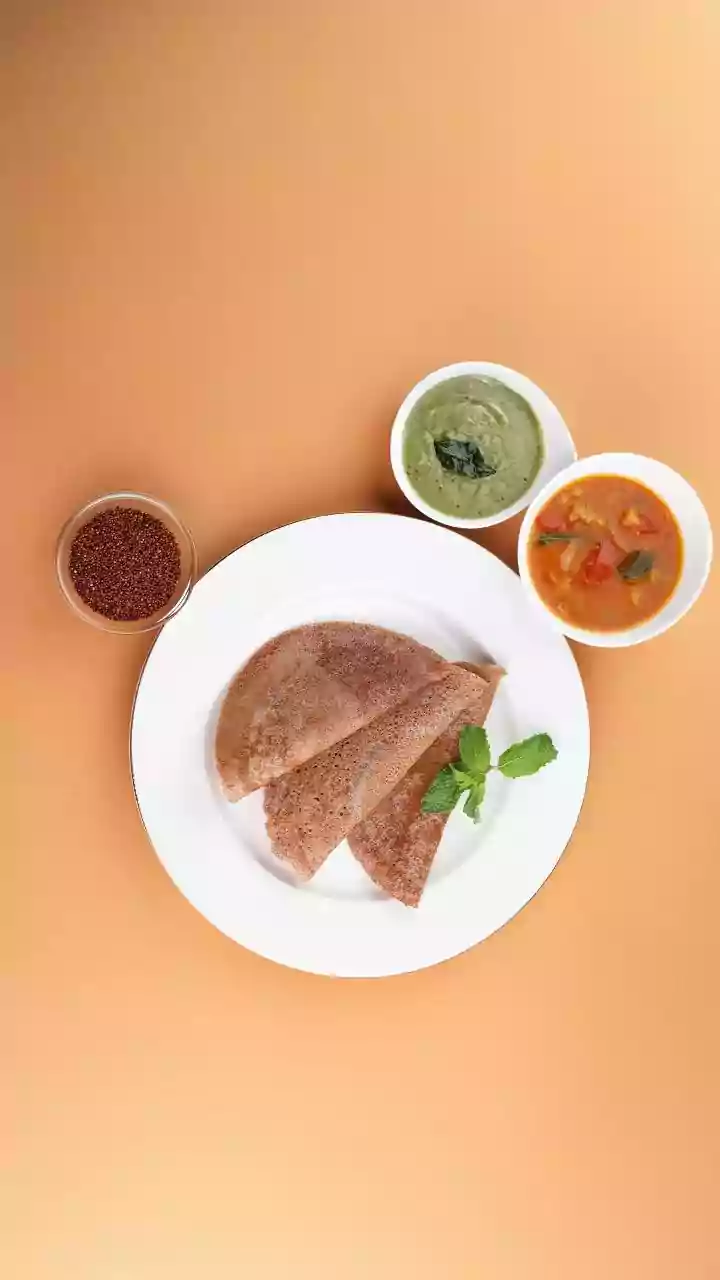
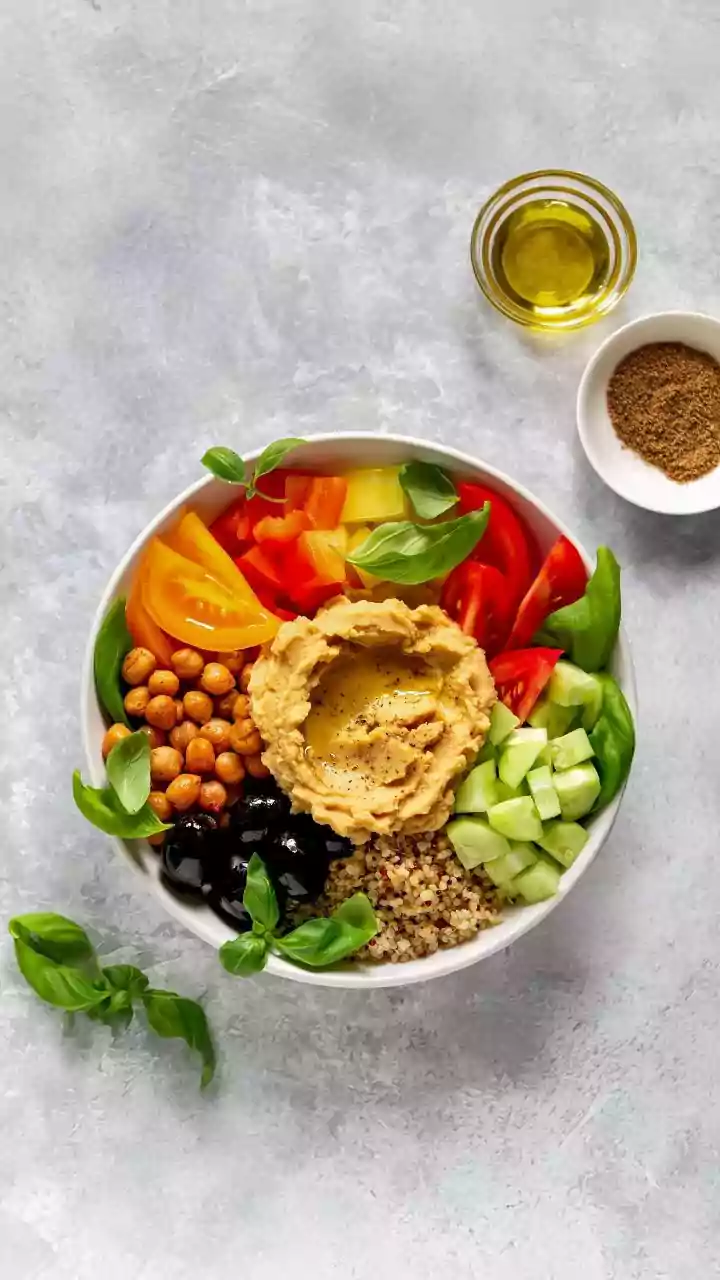
The daily question of 'what's for dinner?' can feel relentless. But what if you could solve it with just two focused cooking sessions per week? This method streamlines your kitchen time, freeing up your evenings for everything else.
The Philosophy: Cook Smarter, Not Harder
Batch cooking is the
concept of preparing meals or meal components in larger quantities to be used over several days. The twice-weekly approach splits this task into two manageable sessions, ensuring food remains fresh and varied. This strategy significantly reduces daily cooking time, cuts down on food waste, and helps you maintain a healthier diet by avoiding last-minute takeout. Imagine spending just a couple of hours on a Sunday and a shorter session mid-week, and having delicious, home-cooked meals ready to go. It eliminates decision fatigue and brings a sense of calm to your evenings.
Your First Session: Building the Foundation
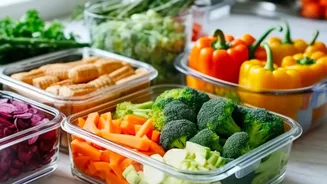
Dedicate your first, longer cooking session (perhaps on a Sunday) to preparing the building blocks of your week's meals. This is the time to tackle items that take longer to cook but store well. Focus on cooking staples like dals, chana masala, or rajma, as these often taste even better after a day or two. Prepare a large batch of a versatile curry base, like a simple onion-tomato masala, which can be adapted later. Cook grains such as basmati rice or quinoa, and prepare one or two proteins, like shredded chicken or boiled eggs. You can also chop sturdy vegetables like onions, carrots, and bell peppers. This session is about creating a 'library' of components you can assemble quickly for the first half of the week.
Your Second Session: The Mid-Week Refresh
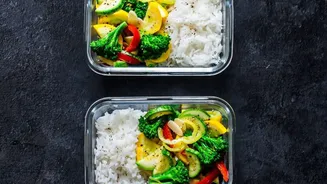
Your second, shorter cooking session, maybe on a Wednesday, is all about refreshing your options for the latter part of the week. Since many cooked meals are best consumed within 3-4 days, this session ensures you're not eating tired leftovers. This is the time to cook quick-cooking items. Perhaps stir-fry some fresh vegetables, make a new sabzi with your pre-made base, or grill some paneer or fish. You can also prepare another quick dal or soup. This 'refresh' session keeps your menu interesting and ensures you finish the week with vibrant, appealing meals rather than feeling restricted by your initial prep.
A Sample Indian Twice-Weekly Plan
To make this tangible, here's an example. On Sunday, you could cook a large batch of dal makhani, prepare basmati rice, boil some chickpeas, and make a large container of onion-tomato gravy. For the first few days, you can have dal makhani with rice. On another day, use the gravy and boiled chickpeas to quickly assemble chana masala. For your mid_week session on Wednesday, you might make a semi_dry sabzi like aloo gobhi, which reheats well, and perhaps some parathas that can be stored. This combination allows you to mix and match, having sabzi and parathas one night and dal with rice on another, all without starting from scratch.
Smart Storage for Food Safety
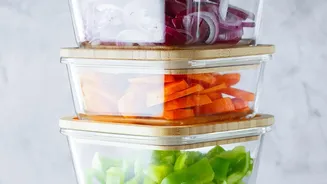
Proper storage is crucial for batch cooking. Once cooked, food must be cooled quickly to prevent bacterial growth. Divide large quantities of food like dal or rice into smaller, shallow containers rather than storing them in one large pot. This allows them to cool down faster. Aim to get food from cooking temperature down to fridge temperature within a few hours. Use airtight containers and label them with the date cooked. Most cooked leftovers should be eaten within 3 to 4 days when stored in the refrigerator. For anything you plan to eat later than that, the freezer is your best friend. Many Indian dishes like dal, hearty curries, and even parathas freeze beautifully.