





The Search for Seclusion
For many couples, the ideal post-wedding escape no longer involves packed beaches or bustling hotel lobbies. The desire for privacy, authenticity, and a genuine connection with both each other and nature has led to a significant shift in travel preferences.
After months of hectic wedding planning and being surrounded by people, the ultimate luxury is not opulence, but solitude. This trend has been accelerated by a collective weariness with over-tourism and a growing appreciation for slow, mindful travel. Instead of ticking off a checklist of tourist spots, these couples are seeking immersive experiences that allow them to truly disconnect from the world and reconnect with each other.
What Exactly Is an Eco-Cabin?
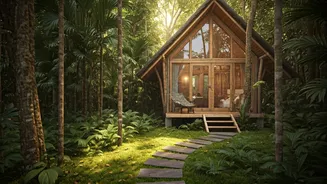
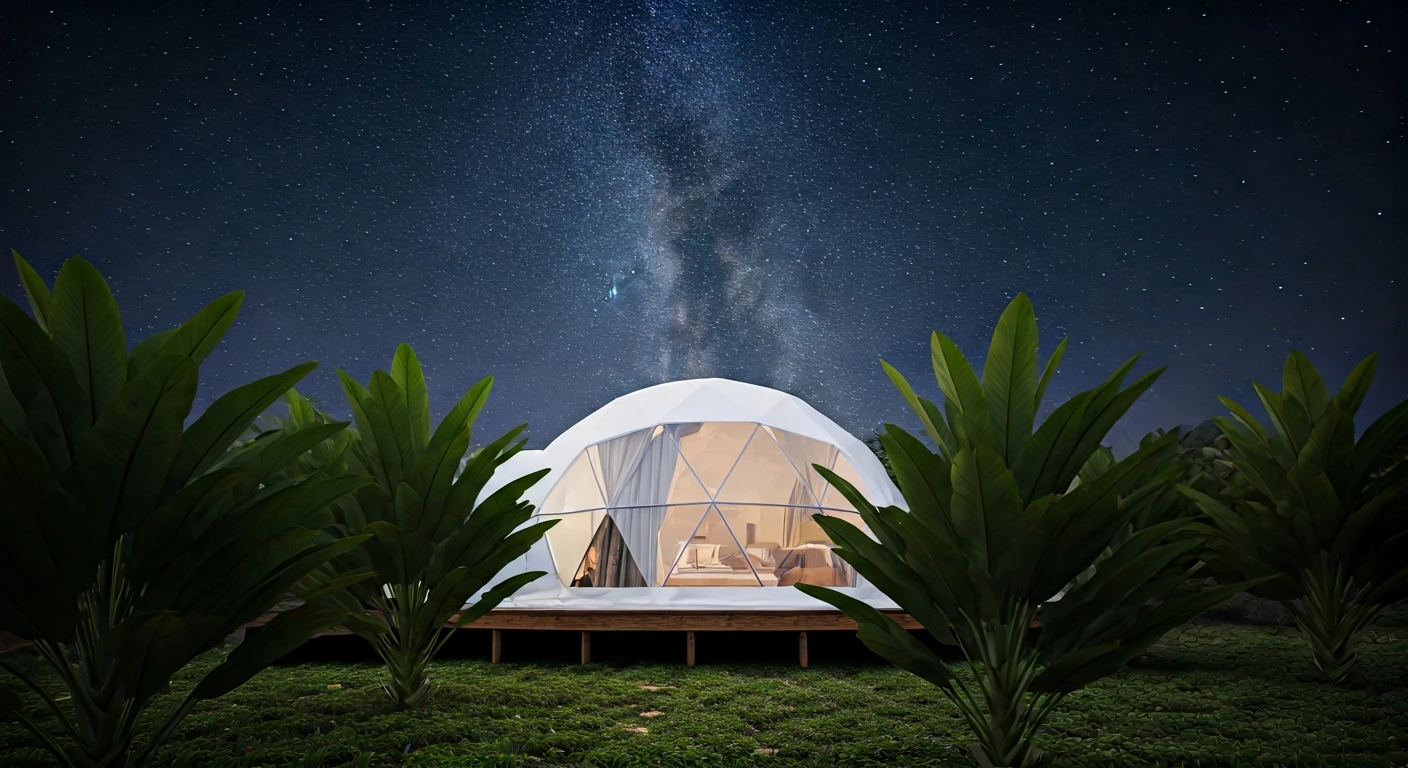
The term “eco-cabin” might conjure images of a rustic, bare-bones hut, but the reality is far more sophisticated. These are thoughtfully designed sanctuaries that blend sustainable principles with modern comfort. They are often constructed using locally sourced, renewable materials like bamboo, reclaimed wood, and natural stone, minimising their environmental footprint. The 'eco' aspect extends beyond construction. It encompasses practices like rainwater harvesting, solar power, waste composting, and protecting the local biodiversity. Many are located within organic farms, coffee plantations, or protected forest areas, offering an experience that is deeply integrated with the surrounding landscape. The luxury here is not about gold taps, but about waking up to birdsong, breathing pure air, and enjoying stunning views from a private verandah.
South India: A Natural Paradise
South India provides the perfect canvas for this trend. Its diverse geography offers a breathtaking array of options. In Kerala, you can find secluded cabins nestled in the misty tea plantations of Munnar and Wayanad or hidden along the tranquil backwaters. Cross over to Karnataka, and you can escape to private villas set amidst the rolling hills and aromatic coffee estates of Coorg and Chikmagalur. In Tamil Nadu, the dense forests of the Nilgiri Hills or the quiet coastal stretches away from the main towns provide ideal settings for these retreats. This region’s rich biodiversity means that your stay is often accompanied by a soundtrack of nature, from chirping crickets to the calls of exotic birds, offering a sensory experience that no city hotel can replicate.
How to Find Your Hidden Gem
Finding these secret spots is part of the adventure. They rarely advertise on massive booking platforms. The key is to refine your search. Use keywords like “eco-lodge,” “nature retreat,” “private plantation stay,” or “boutique homestay” along with your desired location (e.g., “Wayanad,” “Coorg”). Independent travel blogs and specialised travel curators on platforms like Instagram are excellent resources for discovering lesser-known properties. Look for places that highlight their commitment to sustainability and privacy. Reading guest reviews is crucial—pay attention to comments about seclusion, service, and the overall atmosphere. Often, the best finds are small, owner-run properties that offer a highly personalised experience.
An Experience, Not Just a Stay
Choosing an eco-cabin is about choosing a different kind of honeymoon. The experience is the main attraction. Days are filled not with sightseeing itineraries but with simple pleasures: leisurely treks through the forest, birdwatching from your balcony, reading a book in a hammock, or enjoying meals made from fresh, locally grown produce. Many hosts offer unique activities like guided nature walks, cooking classes using regional ingredients, or lessons in plantation life. It’s an opportunity to slow down, shed the pressures of daily life, and create shared memories rooted in peace and natural beauty—a foundation as strong and sustainable as the cabins themselves.