


Why Humidity Is the Main Culprit
The primary issue during the rainy season is the combination of moisture and warmth. High humidity means your pet’s coat takes much longer to dry after a walk, trapping dampness against their skin. This environment is an ideal breeding ground for naturally
occurring yeasts and bacteria to multiply out of control, leading to a spike in skin problems. Areas like paws, ears, skin folds, and the underbelly are especially vulnerable because they have poor air circulation and trap moisture easily. Veterinary clinics across India report a significant increase in cases of fungal infections, yeast dermatitis, and bacterial pyoderma every year between June and September.
Mastering the Post-Walk Routine
A diligent post-walk cleanup is your first line of defence. This is non-negotiable during the monsoon. As soon as you return indoors, thoroughly dry your pet with a clean, absorbent towel. Pay special attention to their paws, belly, armpits, and any skin folds. For pets with thick or double coats, a towel alone may not be enough; consider using a pet-friendly hair dryer on a low, cool setting to ensure the undercoat is completely dry. Matted fur traps moisture, so regular brushing is also essential to improve airflow to the skin and remove any dirt or debris collected outside.
Protecting Paws and Ears
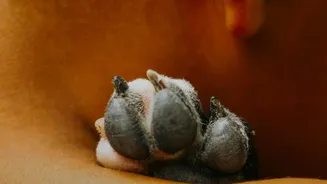
Paws are ground zero for monsoon-related issues as they are in constant contact with muddy, contaminated puddles. After every walk, wash your pet’s paws with lukewarm water and wipe them dry, especially between the toes where infections often start. Keeping the fur between their paw pads trimmed short can also help reduce mud and moisture buildup. Ears, particularly in floppy-eared breeds, are another high-risk area. The L-shaped ear canal traps moisture, leading to painful ear infections (otitis). Check their ears regularly for any redness, discharge, or foul odour, and use a vet-recommended cleaning solution to help keep the canal dry.
Spotting the Early Signs of Trouble
Vigilance helps you catch problems before they escalate. Be on the lookout for common signs of skin infections, which include persistent scratching or licking of a specific area, red or inflamed patches, and hair loss. A strong, musty or "cheesy" odour from the coat or ears is often a tell-tale sign of a yeast infection. Another common issue is "hot spots"—angry, raw patches of moist dermatitis that can appear suddenly and are very painful. If you notice any of these symptoms, it's best to consult a veterinarian promptly for an accurate diagnosis and treatment plan.
Managing Your Home Environment
Your pet’s indoor environment is just as important as their grooming. Damp bedding can contribute to skin problems, so wash your pet’s bed and blankets more frequently during the monsoon, ensuring they are completely dry before use. Keeping your home well-ventilated can also help manage overall humidity levels. Furthermore, the rainy season is peak time for parasites like ticks and fleas, which thrive in humid conditions. Their bites can break the skin and create entry points for secondary bacterial infections, so it's crucial to continue with your vet-prescribed flea and tick prevention schedule.