



The allure of homemade scented candles is undeniable. They offer a creative outlet and a way to fill your home with custom fragrances. But working with hot wax and flammable oils requires a serious respect for heat safety to prevent burns and fires.
Set Up for Success
Before
you melt a single flake of wax, creating a safe and organised workspace is your first priority. Clear your area of any flammable materials like paper towels, curtains, or loose papers. It's wise to cover your work surface with newspaper or a silicone mat for easy cleanup and protection. Always work in a well-ventilated space by opening a window or using a range hood to disperse fumes from melting wax and fragrances. Finally, keep a fire extinguisher and a first aid kit accessible. Never use water on a wax fire, as it behaves like a grease fire and can cause the flaming wax to splatter. Instead, smother the flames with a metal lid.
The Right Way to Melt Wax
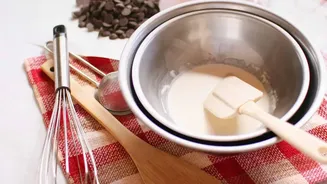
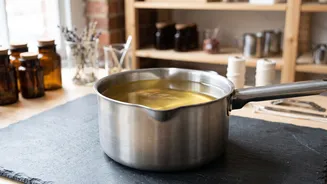
The single most important rule of melting wax is to never use direct heat. Placing a pot of wax directly on a stove burner can cause it to overheat rapidly, leading to discoloration, a burnt smell, and a serious fire hazard. The industry-standard method is using a double boiler. This setup involves placing wax in a heat-safe pouring pot, which then sits inside a larger pot containing a few inches of simmering water. This indirect heat ensures the wax melts gently and evenly, giving you maximum control. While some guides mention using a microwave, it is risky due to uneven heating and the potential for creating dangerous hot spots.
Temperature Is Everything
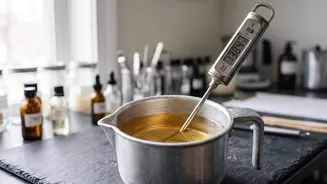
Guessing temperatures is not an option in candle-making; a digital thermometer is a non-negotiable tool. Different waxes have different ideal melting and pouring temperatures. For example, many soy waxes melt around 120°F (49°C) and are ready for fragrance oil at around 185°F (85°C). Paraffin waxes often have slightly higher temperature targets. Overheating wax past its recommended temperature (generally, you should not exceed 200°F or 93°C) can degrade the wax, ruin its texture, and create a fire risk as it approaches its flash point. Equally, pouring wax when it's too cool can lead to sinkholes and a poor finish.
Understanding Fragrance Oil Flash Points
The term 'flash point' often causes confusion for beginners. A fragrance oil's flash point is the lowest temperature at which its vapours could ignite if exposed to a direct flame or spark. It is a safety measure primarily for shipping and handling the undiluted oil. It is a common myth that adding a fragrance oil to wax that is hotter than the oil's flash point will cause the scent to 'burn off'. Fragrance loss is more related to an oil's boiling point and evaporation, not its flash point. However, it is still best practice to add your fragrance oil to the wax once it's been removed from the heat. This minimizes your exposure to fumes and is a general safety precaution.
Safe Materials and Handling
The safety of your final product depends on the materials you choose. Always use wax, wicks, and fragrance oils that are specifically designed for candle‐making. Using crayons for colour, for example, can clog the wick and create a fire hazard. The containers you pour into must be heat‐resistant and free of cracks to prevent them from shattering when filled with hot wax. When handling hot equipment, always use potholders or heat‐resistant gloves. Safety goggles are also recommended to protect your eyes from accidental splashes of hot wax. Once poured, allow candles to cool on a stable, heat‐resistant surface, away from children and pets, and do not move them until they are completely solid.