



The New Weekend Ritual
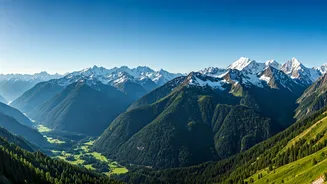
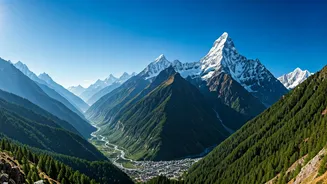
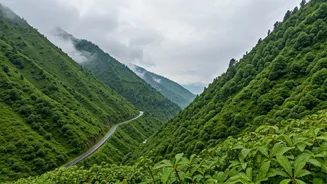
What used to be an annual summer escape has morphed into a regular weekend affair. An increasing number of people from the plains of North India are making short, frequent trips to the mountains a part of their routine. [17] Spurred by scorching heatwaves
and the simple desire for a change of scenery, popular destinations like Shimla, Manali, and Mussoorie are witnessing a massive surge in tourist arrivals, especially over weekends. [17, 26] Hospitality chains are reporting significant growth in bookings; Zostel, for instance, noted a 76% year-on-year surge in Shimla bookings for June, with nearly half of all mountain bookings made within three days of departure, highlighting a trend towards spontaneous travel. [29]
Why Everyone is Driving Uphill
Several factors are fuelling this migration. The post-pandemic era has normalized flexible and remote work, giving birth to the "work from mountains" or "workation" culture. [5, 16] Professionals are swapping city desks for balconies with Himalayan views, a trend enabled by better internet connectivity in many hill towns. [5, 16] A 2024 report noted a 70% increase in long-stay bookings in places like Manali and Rishikesh by remote workers. [5] Beyond work, improved road infrastructure has cut down travel time, making a weekend trip more feasible. [18] But perhaps the biggest driver is the primal need to escape urban burnout—the traffic, pollution, and relentless pace of city life—for the cleaner air and slower rhythms of the mountains. [16]
Beyond Shimla: The Hunt for Offbeat Havens
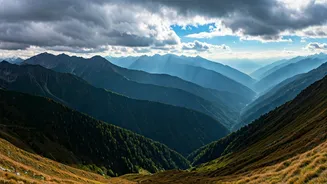
As mainstream destinations like Shimla and Manali become saturated, seasoned travellers and peace-seekers are venturing further afield. [7, 8] This has led to the rise of lesser-known hamlets in Himachal Pradesh and Uttarakhand. [8, 9] Places like Tirthan Valley, Jibhi, Kausani, and even remote villages like Gushiani and Dharamkot are finding their way onto travellers' maps. [8, 24] These offbeat locations offer a quieter, more authentic experience, with homestays mushrooming to cater to those looking for solitude. [8, 32] However, this dispersal of tourism also risks replicating the problems of over-development in previously untouched areas if not managed sustainably. [13]
Paradise Lost in a Traffic Jam?
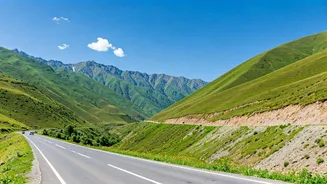
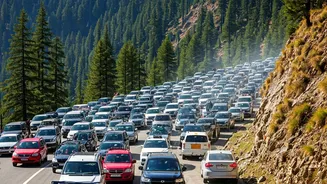
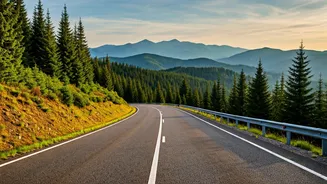
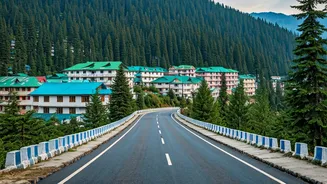
The boom comes at a cost. The most visible symptom is the crippling traffic congestion. On peak weekends, roads leading to popular hill stations are choked for hours, turning a scenic drive into a frustrating crawl. [6, 14] Manali and Shimla have seen legendary traffic jams, with vehicles sometimes stranded overnight. [6, 25] This phenomenon of "overtourism" is placing immense strain on the fragile Himalayan ecosystem and local infrastructure. [15] Hill towns, many with colonial-era planning, were never designed to handle such a massive vehicular influx. [13] The consequences are dire: severe water shortages for locals, overflowing waste management systems, and a tangible increase in pollution. [12, 13, 18] Some reports indicate that during peak season, many Himalayan destinations experience water rationing for residents even as hotels promise uninterrupted supply to tourists. [12]
The Path to a More Conscious Escape
The trend of weekend mountain getaways is unlikely to reverse. The challenge, therefore, is to balance the economic benefits of tourism with ecological preservation. [17] As a traveller, making conscious choices can make a difference. This includes travelling during the week if possible, opting for public transport to reduce the number of cars, choosing eco-friendly homestays over large resorts, conserving water, and, most importantly, managing your own waste. Supporting local businesses and respecting the local culture are also crucial. Some experts and government bodies have suggested implementing a "green cess" or tourist fee, with the revenue directed towards conservation and improving local infrastructure, a model successfully used in Bhutan. [12] By adopting a more responsible mindset, visitors can help ensure that the mountains remain a sanctuary for generations to come.