







The New Vacation: Prioritizing Sleep
Welcome to the world of sleep tourism, one of 2026's defining travel trends where rest is the main attraction. Instead of jam-packed itineraries and late-night sightseeing, these trips are designed with one goal: to help you catch up on deep, restorative
sleep. It’s a direct response to our 'always-on' culture, where many travelers, especially millennials, find traditional vacations only add to their exhaustion. The concept flips the script on what a holiday should be. Rather than treating rest as something you do when you get home, sleep tourism makes it the entire purpose of the trip. This growing sector, valued at over $80 billion, is built on the idea that true luxury isn't a fancy dinner—it's eight hours of uninterrupted slumber.
Beyond a Fancy Hotel Room
A true sleep-focused getaway offers more than a comfortable mattress and a high thread-count sheet set. These destinations are meticulously engineered for slumber. Think soundproofed rooms, AI-powered smart beds that adjust to your sleep cycles, and total blackout curtains. Many properties offer 'touchless' wellness circuits with therapies like cryotherapy and infrared saunas to reduce inflammation and prepare the body for rest. Menus are often designed by nutritionists with sleep-inducing foods, and days are structured around calming activities like guided meditation, yoga nidra, and breathing workshops rather than adrenaline-fueled excursions. The entire environment is curated to quiet the nervous system, from tech-free common areas to personalized sleep coaching.
Why Millennials Are Checking In
While everyone can benefit from better rest, this trend resonates particularly strongly with millennials. Having navigated economic instability and the rise of hustle culture, this generation reports high levels of burnout and digital fatigue. One survey found that 83% of young travelers feel a pressing need to step away from their phones. For them, a vacation focused on sleep isn't an indulgence; it's a necessary act of self-preservation. It's a reaction against the pressure to be constantly productive and available. Unlike older generations who may have viewed work-life separation differently, many millennials see intentional, restorative breaks as crucial for mental and professional longevity. The desire is so strong that nearly 70% of travelers in their early 30s say it's extremely important not to feel exhausted after a trip.
The 'Quiet Hill Station' Reimagined
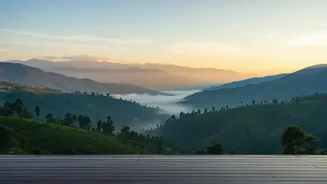
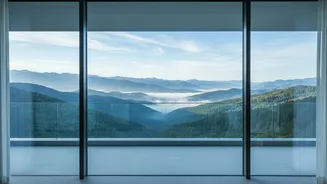
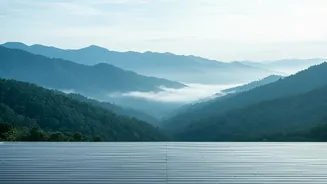
The term 'hill station' might evoke images of colonial-era retreats in the Himalayas, but its modern interpretation is all about seeking elevation from the noise of daily life. Today’s version is less about a specific geographic location and more about a state of mind. It’s any quiet, remote place where nature becomes a primary tool for sedation. Think of a secluded lodge in North Carolina's Blue Ridge Mountains, a minimalist cabin in California's Big Sur, or a serene retreat in the Himalayan foothills. The key ingredients are tranquility, low light pollution, and fresh air—elements that are increasingly marketed as luxury amenities. These escapes offer a profound sense of removal, allowing the mind and body to reset their natural circadian rhythms far from city sirens and email alerts.
The Science of Doing Nothing
The appeal of these quiet escapes is backed by science. Disconnecting from digital devices and immersing oneself in a calm, natural setting allows the prefrontal cortex—the brain's command center—to rest and recover. Chronic stress and sleep deprivation keep our bodies in a state of high alert. By intentionally 'doing nothing' in a peaceful environment, we activate the parasympathetic nervous system, which is responsible for rest and digestion. This shift lowers heart rate, reduces stress hormones like cortisol, and allows for deeper, more restorative sleep stages. The result isn't just feeling less tired; it's a full-body reset that can improve mood, cognitive function, and overall resilience long after checking out.