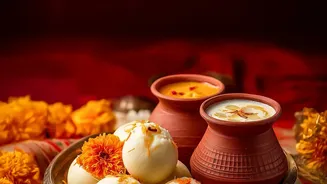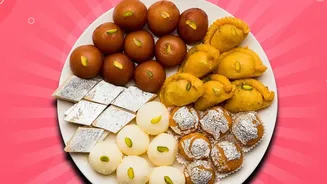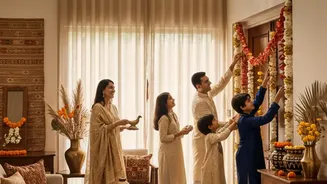

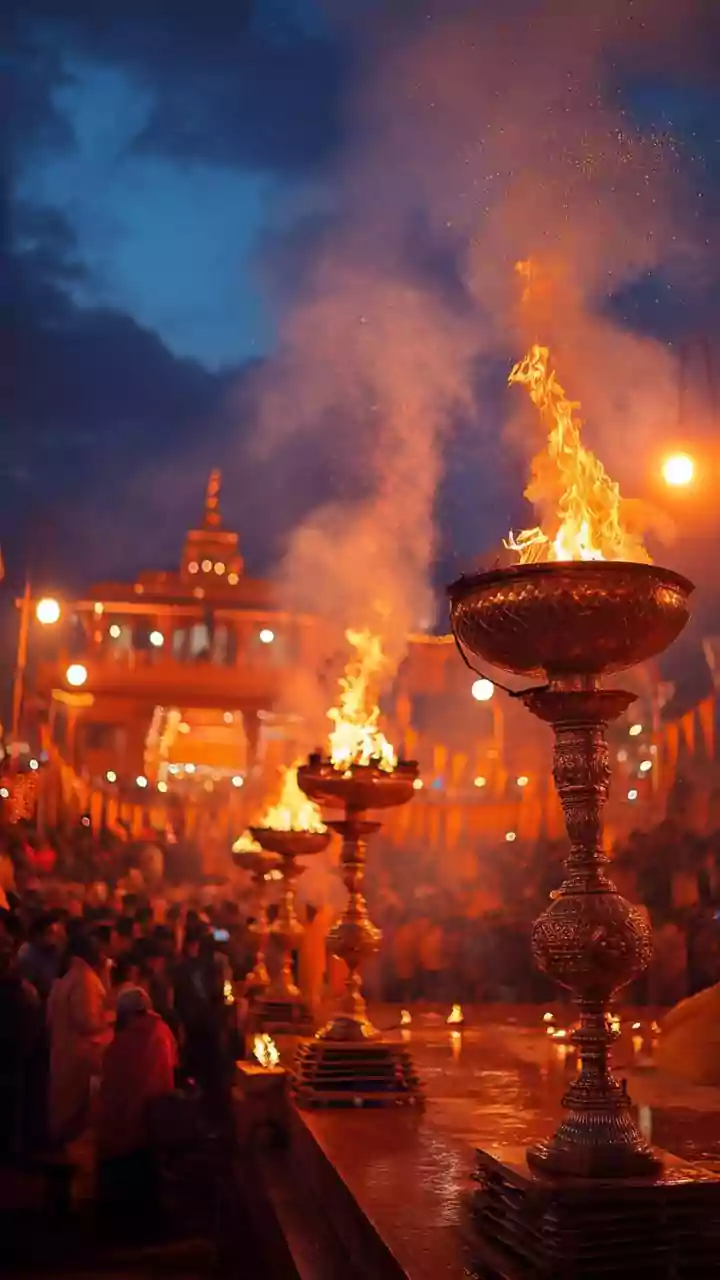
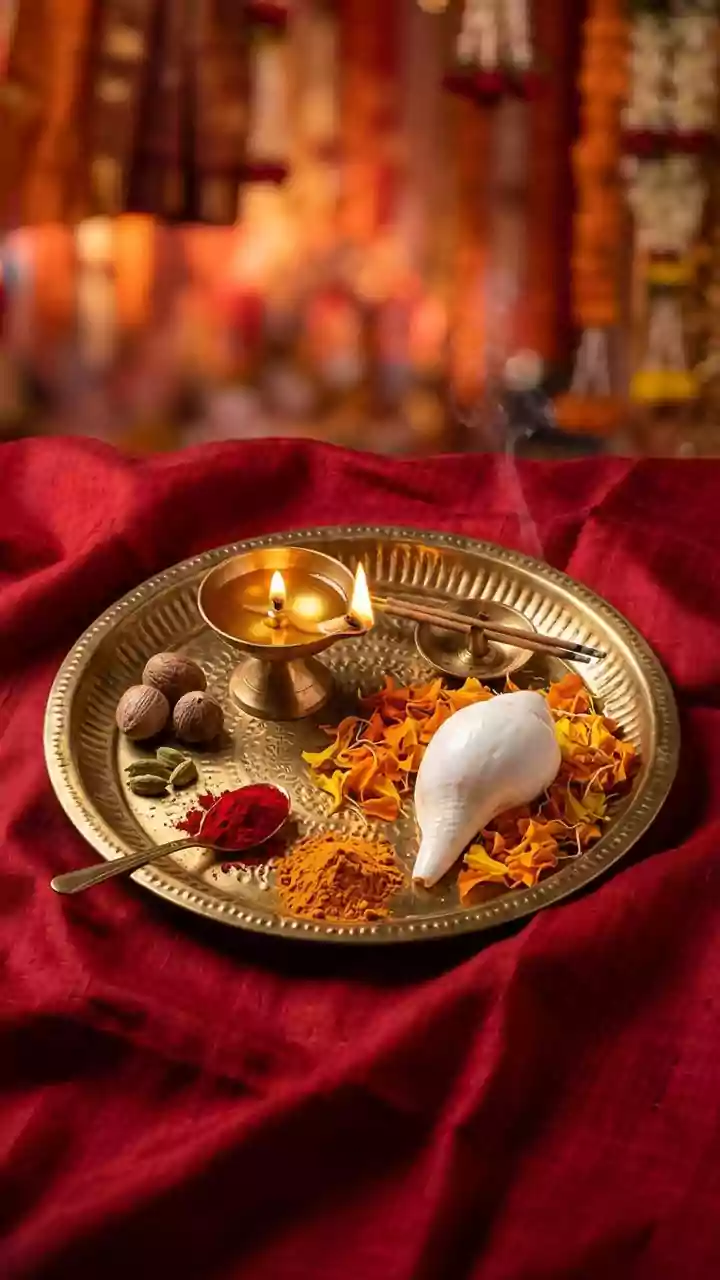
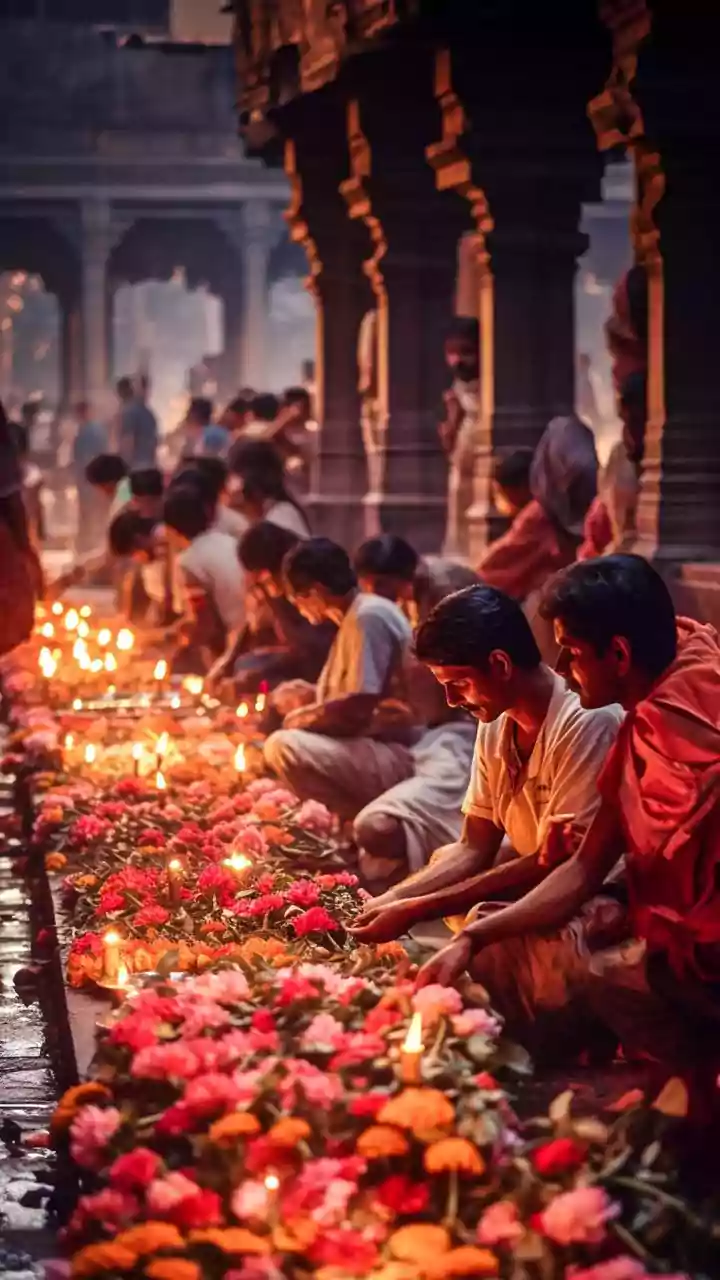


The essence of Diwali is often found in the warmth of an open home, the scent of homemade sweets, and the laughter of spontaneous visitors. But in India's bustling cities, the nature of this hospitality is changing before our very eyes.
The Reality of Urban Constraints
Traditional Diwali
hospitality often meant an 'open house' policy, where friends and relatives could drop in over several days. This was rooted in a time of larger joint family homes and more flexible schedules. Today’s urban landscape tells a different story. In cities like Mumbai, Bengaluru, and Delhi, dual-income households, demanding corporate jobs, and notorious traffic have made time a scarce resource. Furthermore, the shift from spacious ancestral homes to compact high-rise apartments means that hosting large, multi-day gatherings is often physically impractical. The open courtyards that once accommodated swings and large groups have been replaced by small balconies, fundamentally altering the canvas on which festivals are painted.
From Open House to Planned Parties
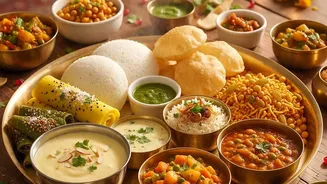
In response to these constraints, hospitality has become more structured. The spontaneous drop-in is giving way to the planned Diwali party. Instead of keeping the door open for days, urban hosts now prefer to organise curated events on a specific evening, often centred around themes, card games, or music. Potlucks are also gaining immense popularity, transforming the host's burden into a shared community effort. This format allows everyone to contribute without one person bearing the entire responsibility of cooking a feast, reflecting a modern, collaborative approach to celebration. These gatherings are often less about religious ritual and more about social connection, especially for young professionals living away from their hometowns who celebrate with their 'friends-like-family'.
The Convenience Economy Steps In
Modern urban life is defined by convenience, and Diwali is no exception. The hassle of preparing elaborate snacks and sweets is increasingly being outsourced. Food delivery platforms see a surge in orders for everything from traditional mithai to entire party menus. Gifting, too, has transformed. While homemade sweets were once the norm, beautifully packaged artisanal hampers, gourmet chocolates, and digital gift vouchers are now popular choices, reflecting a shift towards convenience and modern tastes. Many restaurants and clubs now offer elaborate Diwali-themed nights, allowing people to celebrate in a festive atmosphere without the stress of hosting or cleaning up. This represents a commercialisation of the festival, but also a practical solution for time-poor city dwellers seeking shared experiences.
A New Aesthetic for the Urban Home
The look and feel of a Diwali home are also evolving. While traditional diyas and marigold flowers remain beloved, they are now complemented by a more modern, and often minimalist, aesthetic. Younger generations, particularly Gen Z and Millennials, are showing a preference for reusable and sustainable decor over singleuse items. Think fairy lights, scented candles, and elegant lanterns that add festive cheer without overwhelming smaller living spaces. There's a growing trend towards ecofriendly celebrations, with a focus on handmade items and supporting local artisans. This shift suggests a more conscious and intentional approach to decoration, where style is balanced with sustainability and purpose.
Is Tradition Fading or Adapting?
It's easy to view these changes as a dilution of tradition. The decline of sprawling, spontaneous family gatherings and the rise of commercialised options might suggest that the core spirit of Diwali hospitality is fading. However, another perspective is that these are not replacements but adaptations. The core values of togetherness, generosity, and celebration remain, but they are being expressed in ways that fit the context of modern urban life. Festivals have always evolved with migration and societal shifts. The planned party, the potluck, and even the restaurant outing are new forms of community building in cities that can otherwise feel anonymous. They ensure that the spirit of coming together remains alive even if the methods have changed.