



The New Pantry Players
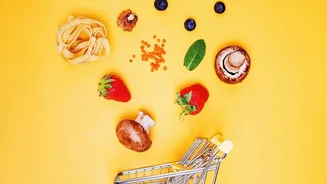
The contents of the modern Indian shopping cart are evolving. Foods once considered exotic or niche are steadily moving into the mainstream. Quinoa, a gluten-free grain, is no longer just for the ultra-health-conscious, with the Indian market for it projected
to grow significantly. Similarly, avocados, once a pricey import, have seen their popularity surge thanks to increased availability and falling prices. This trend isn't limited to imported superfoods. Packaged and processed foods, from breakfast cereals to noodles, have also seen a dramatic rise in household penetration over the last decade, reflecting a move toward convenience. These new items are not necessarily replacing traditional staples like dal and rice but are being added to the household food basket, creating a more diverse, if complex, dietary landscape.
The Drivers of Dietary Change
Several factors are stirring this culinary melting pot. A primary driver is a powerful wave of health and wellness consciousness sweeping across urban India. With a rising incidence of lifestyle diseases like diabetes and obesity, consumers are actively seeking healthier options. This has fueled a superfoods market that was valued at over USD 6 billion in 2025 and is expected to grow robustly. Another key factor is globalization and rising disposable incomes. Exposure to global food trends through travel and social media has created a curiosity and demand for new tastes. At the same time, improved supply chains, the boom in e-commerce, and modern retail have made these products more accessible than ever, moving them from specialty stores to neighbourhood supermarkets, even in smaller cities.
A Return to Ancient Roots
Interestingly, this modern food movement is not just about looking outward; it's also about looking back. There is a powerful revival of ancient Indian grains, particularly millets like jowar, bajra, and ragi. Once staples before the Green Revolution prioritized wheat and rice, these grains are now being celebrated for their nutritional benefits and climate resilience. The Indian government and the UN have played a role in this resurgence, with initiatives like the 'International Year of Millets' in 2023 creating widespread awareness. This revival is a significant trend, blending tradition with modern health consciousness. Farmers are being encouraged to cultivate these crops again, which are well-suited to India's varied climates and require less water, aligning with goals of sustainable agriculture.
Implications for Health and Agriculture
This dietary transformation carries significant implications. On one hand, the increased interest in nutrient-dense foods like fruits, vegetables, and traditional grains offers a positive path toward better public health. The revival of millets and other indigenous superfoods like moringa and jackfruit presents an opportunity to address nutritional gaps with local, sustainable options. On the other hand, the parallel rise in consumption of ultra-processed foods, fats, and sugars is a growing concern, contributing to a dual burden of malnutrition where obesity and lifestyle diseases are on the rise alongside undernutrition. For farmers, this shift presents both opportunities and challenges. There is potential for higher income from cultivating high-demand crops like avocados or millets, but it also requires a transition away from traditional cropping patterns and integration into new, and sometimes more complex, supply chains.