



What Exactly Is Chrononutrition?
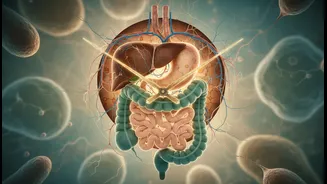
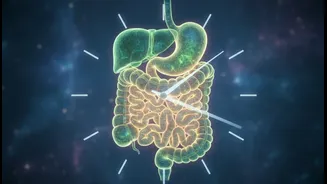
Chrononutrition is the practice of timing your food intake to align with your body's natural circadian rhythms. Think of it as an internal 24-hour clock that governs everything from your sleep-wake cycle to hormone release and, crucially, your digestion.
This emerging field isn't about a restrictive diet, but rather about scheduling your meals to work with your body's innate programming, not against it. The core idea is that our digestive system has its own daily rhythm, with predictable peaks and troughs in efficiency. By eating during a period when your body is primed to digest, you can potentially unlock significant benefits for your gut health and overall well-being.
The Body’s Clock and Your Gut
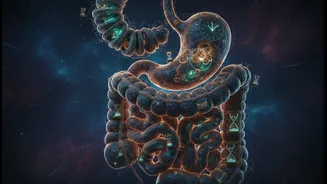
Your body’s master clock is located in the brain, but peripheral clocks exist in organs all over your body, including your liver, pancreas, and gastrointestinal tract. These clocks regulate the daily functions of the digestive system. For instance, your body's sensitivity to insulin, the hormone that helps manage blood sugar, is typically highest in the morning and decreases throughout the day. Similarly, the production of digestive enzymes and the contractions that move food through your gut (known as motility) also follow a circadian pattern. Eating late at night, when your digestive system is winding down for its rest and repair phase, can throw this finely tuned system out of sync. This disruption can lead to less efficient digestion and may be linked to metabolic issues over time.
The Link to Digestive Discomfort
When you eat at odds with your internal clock, your gut can feel the effects. Late-night eating, for example, is associated with slower gastric emptying, meaning food sits in your stomach for longer, which can contribute to acid reflux and indigestion. Research also suggests a connection between irregular eating patterns and common digestive complaints like bloating, gas, and discomfort. For individuals with functional gut disorders like Irritable Bowel Syndrome (IBS), aligning meal times with circadian rhythms might offer a new strategy for managing symptoms. Studies indicate that structured eating windows and avoiding late-night meals can help improve bowel regularity and ease bloating by keeping the digestive process in a predictable rhythm.
The Gut Microbiome Has a Clock, Too
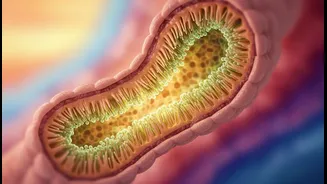
Fascinatingly, the trillions of microbes living in your gut also operate on a 24-hour cycle. The composition and activity of your gut microbiome fluctuate throughout the day, influenced by your eating patterns. Disruptions to your circadian rhythm, such as those from shift work or erratic meal times, can lead to an imbalance in these gut bacteria, a condition known as dysbiosis. This imbalance is associated with a host of health issues, including inflammation and metabolic problems. Chrononutrition, by promoting a regular eating schedule, helps support a stable and diverse gut microbiome. Time-restricted eating, a popular form of chrononutrition, has been shown in some studies to restore the natural rhythm of the microbiome.
How to Put Chrononutrition Into Practice
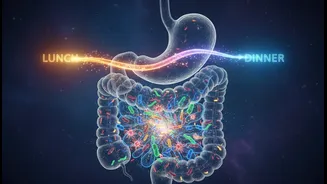
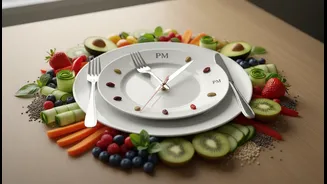
Adopting a chrononutrition approach doesn’t have to be complicated. A common strategy is to front-load your calories earlier in the day when your metabolism is most active. This aligns with the old adage: “Eat breakfast like a king, lunch like a prince, and dinner like a pauper.” Try to eat your largest meal at breakfast or lunch and have a smaller, lighter dinner several hours before you go to sleep. Consistency is also key. Sticking to regular meal times each day, even on weekends, helps to reinforce your body's internal clocks. Finally, limiting late-night snacking gives your digestive system a much-needed overnight break to rest and repair.