

Why Transparency is the Sweetest Ingredient
When we gift food, we're sharing love and tradition. But hidden ingredients can pose serious risks. Undisclosed nuts, dairy, or wheat can trigger severe allergic reactions. For friends and family managing diabetes or other dietary restrictions, knowing
the contents is essential for their health. Moreover, festive periods often see a spike in foodborne illnesses, sometimes due to improper handling of large batches of food. By clearly stating what's in your gift, you're not just being thoughtful; you're actively protecting the people you care about from potential harm. A simple label transforms a delicious treat into a responsible, caring gesture.
The Three Pillars of a Safe Food Gift
A truly thoughtful food gift comes with three key pieces of information. First, a complete list of ingredients. This should be listed in descending order of weight, just as commercial products do. Second, the date of preparation. This gives the recipient a clear idea of the item's freshness. Third, clear storage instructions. Not all sweets are created equal; some need immediate refrigeration while others are shelf-stable. Providing this information isn’t complicated—a small, neatly written tag or sticker is all it takes. This simple step is mandated for commercial products by the Food Safety and Standards Authority of India (FSSAI) for a reason: it ensures consumer safety.
Decoding Storage: From Fridge to Pantry
Indian sweets, or mithai, have vastly different storage needs based on their ingredients. Milk-based sweets like rasgulla, sandesh, and kalakand are highly perishable and must be refrigerated, where they typically last for only a few days. Gifting them in mixed boxes with dry items can cause spoilage and contaminate the whole batch. Drier sweets made with ghee, flour, and sugar, such as besan ladoo or dry fruit barfi, have a longer shelf life and can be stored in airtight containers in a cool, dry place. For fried savoury snacks like chakli or chivda, the key is to keep them away from moisture in airtight containers to maintain their crunch. Never refrigerate fried snacks, as it can make them soggy.
Handling Allergens and Dietary Needs
Common ingredients in Indian festive cooking, such as peanuts, tree nuts (cashews, almonds), dairy, and wheat (gluten), are also major allergens. An allergy can be life-threatening, so it is crucial to list these ingredients clearly. Using terms like "Contains nuts and dairy" is a simple and effective warning. Even the type of oil used can be important. Similarly, for those who are diabetic, information about sugar content is vital. If you’ve used a sugar substitute, mention it. This transparency allows everyone to indulge safely, without guesswork or risk.
Safe Transport for Your Thoughtful Treats
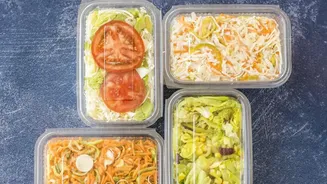
How you package and transport your food gift is just as important as how you make it. Always use food-grade containers. Avoid decorative boxes or wrappers that are not designed for direct food contact, as they can leach harmful chemicals. Ensure containers are airtight to prevent contamination and maintain freshness. If transporting perishable items, especially during warmer weather, use an insulated bag. Let hot items cool completely before packing to prevent condensation, which encourages bacterial growth and can spoil the texture of your treats. A little care in transit ensures your gift arrives as delicious and safe as when it left your kitchen.