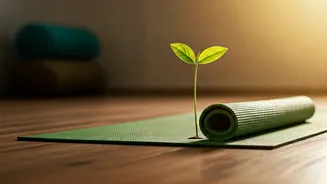









The New Ambition: Peace Over Paycheque
For decades, the definition of success for young Indians was a linear path: a secure job, a rising salary, and material assets. Today, that definition is being radically rewritten. A 2025 Burson report revealed that 63% of Indian Gen Z now prioritise
their mental health, signalling a major shift in mindset. This generation is moving away from a 'hustle at all costs' culture towards a more holistic and integrated understanding of well-being. The ambition is no longer just to climb the corporate ladder, but to do so without sacrificing mental peace. This shift is evident in workplace discussions where work-life imbalance is now seen as a serious mental health concern. Young professionals are increasingly seeking employers who offer flexibility and robust wellness programs, viewing them not as perks, but as essentials.
The Anatomy of Modern Stress
This pivot towards calm is a direct response to a unique cocktail of modern stressors. Academic pressure, a hyper-competitive job market, and financial instability create a baseline of anxiety. A 2024 study by the Indian Psychiatric Society found that around 40% of teenagers cite stress and anxiety as their primary concerns. Layered on top of this is the pervasive influence of the digital world. The 'always-on' culture, fueled by constant connectivity, blurs the lines between work and personal life, leading to digital burnout. Social media adds another dimension, creating a culture of comparison and a relentless chase for external validation that can trigger anxiety and self-doubt. A MediBuddy study noted that anxiety and stress-related issues accounted for nearly half of all mental health consultations among young professionals.
Crafting Calm: The Modern Toolkit
In response, young Indians are actively curating 'calm toolkits,' blending ancient practices with modern technology. The market for mindfulness and meditation apps in India is projected to grow significantly, with one report expecting it to reach $381.4 million by 2033. This digital-first generation is using apps like Calm and Headspace, alongside homegrown alternatives, to integrate mindfulness into their daily routines. Beyond the screen, there is a renewed interest in holistic and alternative treatments, with 53% of Gen Z open to exploring them. This includes a resurgence in practices like yoga, pranayama, and journaling. It's a pragmatic approach that acknowledges the pressures of modern life while actively seeking accessible and effective solutions to manage them.
From Stigma to Status: Changing the Conversation
Perhaps the most significant change is the destigmatisation of mental health conversations. What was once a taboo topic is now openly discussed, particularly among Gen Z and millennials. This generation is using social media not just as a source of stress, but as a platform to challenge stigma, share experiences, and build peer-to-peer support networks. The acceptance of therapy among youth has grown dramatically, from 54% in 2018 to 94% in 2024, according to one survey. This openness is forcing institutions to adapt. Workplaces are introducing Employee Assistance Programs (EAPs) and normalising 'mental health days,' while colleges are being pushed to provide better counselling resources. This shift from silent struggle to open dialogue is empowering young people to seek help and prioritise their well-being without shame.