



How will you test my gold’s purity?
The value of your gold is directly tied to its purity, measured in karats. 24K is pure gold, but most Indian jewellery is 22K (91.6% pure) or 18K (75% pure). Ask the jeweller to test the purity in your presence. The most reliable method is an X-Ray Fluorescence
(XRF) machine, also called a Karatmeter, which gives a precise reading without damaging your jewellery. Be wary of the traditional acid or touchstone test, which is less accurate and can be subjective. Insist on seeing the XRF machine's reading to confirm the karatage before any valuation is done.
What is today’s rate for buying and selling gold?
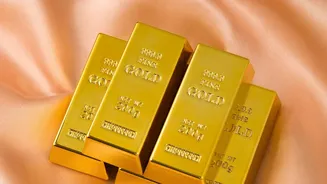
Jewellers have different rates for buying and selling gold. The selling rate (when you buy new jewellery) is always higher than the buying rate (when they buy your old gold). Before you begin the exchange, ask for both the 22K and 24K gold rates for the day. Compare this with the rates published by reliable sources like the India Bullion and Jewellers Association (IBJA). Some jewellers offer a 100% value exchange, meaning they apply the same rate for your old gold as for the new piece you are buying, which can be a great deal.
What deductions are you applying?
This is where a significant portion of your old gold's value can be lost. Jewellers will deduct for impurities, stones, enamel, and wax fillings. If your jewellery has stones, they are typically considered impurities during an exchange, and their weight is subtracted from the total. It's best to have the stones removed and weighed separately if they are valuable. Ask for a clear breakdown of all deductions, including any melting or refining loss charges, which should be minimal with modern methods.
What are the making and wastage charges on the new piece?
Making charges are the labour costs for crafting the new jewellery, while wastage refers to the small amount of gold lost during the process. These charges can vary dramatically, from 5% to over 30% of the gold's value, depending on the intricacy of the design. Machine-made jewellery usually has lower making charges than handcrafted pieces. This is often a negotiable component, so don't hesitate to discuss it. Ask for these charges to be listed separately on the estimate.
Is the new jewellery BIS hallmarked with a HUID?
To ensure the purity of your new purchase, always insist on jewellery with a BIS (Bureau of Indian Standards) hallmark. The mandatory hallmarking system now includes a 6-digit alphanumeric Hallmark Unique Identification (HUID) number. This code is unique to each piece of jewellery and allows you to verify its authenticity, purity, and the jeweller's details using the BIS CARE mobile app. The hallmark should clearly display the BIS logo, the purity in karats (e.g., 22K916), and the HUID code.
Can I have a detailed and itemised bill?
A transparent bill is non-negotiable. It is your proof of purchase and a crucial document for any future exchanges or claims. The final invoice should clearly list the value of your old gold, all deductions made, the weight and purity of the new piece, its making charges, wastage, and the GST applied. A detailed bill protects you as a consumer and ensures that all verbal agreements are documented in writing, leaving no room for disputes later.