


More Than Just a Fruit Festival
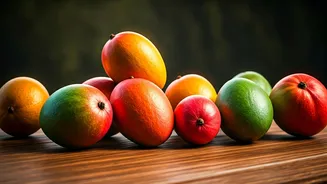
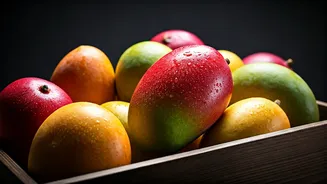
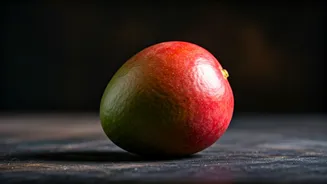
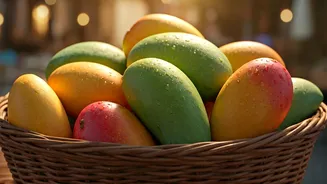
Walking through the festival grounds at Dilli Haat felt different this time. The air was still thick with the intoxicating scent of over 500 varieties of mangoes—from the honeyed sweetness of the Langra to the rich, deep notes of the Dasheri. Yet, mingling
with the calls of vendors were the distinct sounds of a younger generation: the clicks of smartphone cameras, the excited chatter of friends coordinating for a group selfie, and the constant narration for Instagram Stories. This wasn't just a crowd of seasoned mango connoisseurs; it was a vibrant mix of college students, young professionals, and digital content creators, all drawn to an event they might have previously dismissed as something for their parents.
The Instagrammable Mango
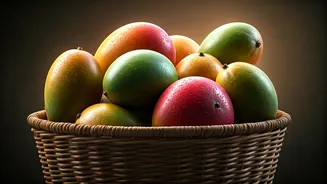
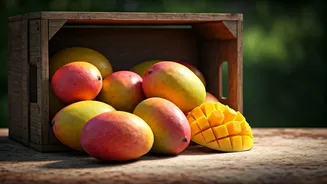
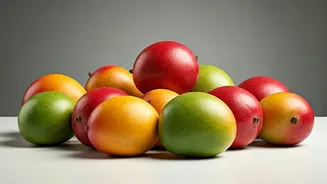
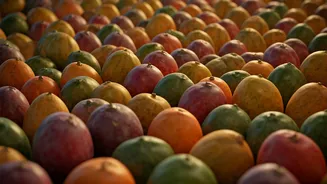
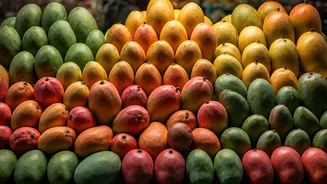
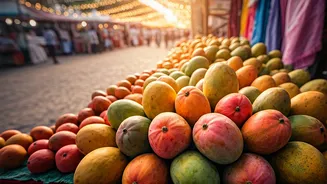
It’s impossible to ignore the role of social media in this youth-quake. In today's experience economy, an event is only as successful as its shareability. Organisers and vendors, whether by design or happy accident, created a visual paradise. Stalls were piled high with pyramids of golden, saffron, and green mangoes, creating a perfect, colourful backdrop. But the real stars were the innovative mango creations. Beyond the simple sliced fruit and juices, there were mango kulfis, mango momos, mango chaat, and even mango pizzas. Each dish wasn't just a culinary experiment; it was a potential viral post. For many young attendees, the goal was twofold: to taste the unique offerings and to capture them in a perfectly lit, aesthetically pleasing photograph or reel. The festival transformed from a place to simply eat mangoes into a place to *be seen* eating mangoes.
A Craving for Authenticity
However, dismissing this trend as mere social media vanity would be a mistake. The surge in youth attendance points to a deeper cultural shift. After years of lockdowns and digital saturation, there is a growing craving for tangible, authentic experiences. Young Indians are increasingly looking inward, finding novelty and excitement in their own cultural backyards. A food festival dedicated to a fruit so deeply intertwined with Indian identity and summer memories offers a powerful dose of nostalgia and authenticity. It’s a chance to connect with something real—a flavour, a season, a shared cultural touchstone—in a world that often feels overwhelmingly virtual. It represents a move away from generic, globalised cafe culture towards something uniquely Indian.
A Blueprint for Tradition's Future
The festival's success also offers a valuable lesson for other traditional cultural events. It demonstrated that tradition and modernity are not mutually exclusive. By allowing for and even encouraging modern interpretations—both in food and in how the experience is shared—the festival didn't dilute its essence; it amplified its reach. Organisers provided a space where heritage could be celebrated on new terms. They created an environment where a young person could learn about the history of the Fazli mango from a farmer and, in the next moment, post a stylish video of a mango-based mocktail. This blend is the key. You don't have to sacrifice authenticity to be relevant; you just have to present it in a language the next generation understands and wants to share.