



Master the Art of Rolling
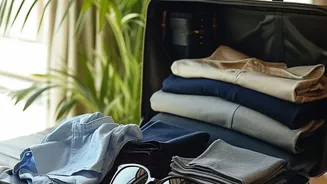
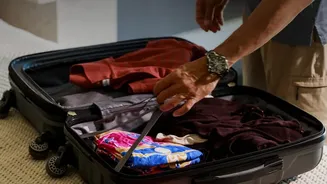
The debate between rolling and folding has a clear winner for saving space: rolling. Tightly rolled clothes are denser, squeezing out trapped air and allowing you to fit more into your bag. This method works best for casual, lightweight items like t-shirts,
leggings, and pyjamas. By rolling, you can compress garments more effectively than folding, which tends to take up more surface area. For maximum efficiency, you can even secure each rolled item with a rubber band to keep it compact. This not only saves a surprising amount of room but also helps prevent the hard creases that folding can create.
Embrace Compression Packing Cubes
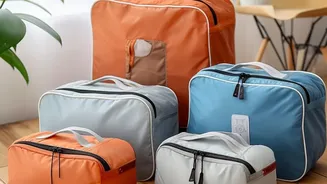
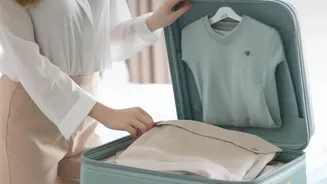
Packing cubes are a traveller's best friend for organisation, but compression cubes take it a step further. These cubes feature an extra zipper that, when closed, squeezes out excess air and reduces the volume of your clothes by up to 30% or more. This transforms a messy pile of clothing into a neat, stackable block. To use them effectively, roll your clothes first, then place them inside the cube before zipping the compression layer. It is crucial to remember that while cubes save significant space, they do not reduce weight. Therefore, you must still be mindful of the 7kg limit, but the space you save allows for much better organisation and weight distribution.
Wear Your Heaviest Items
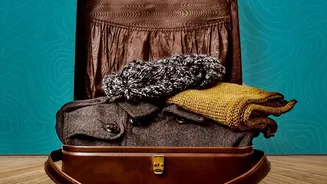
This is one of the oldest and most effective tricks in the book. Your bulkiest items, such as a jacket, hoodie, jeans, or boots, should never be packed in your carry-on if you're trying to meet a strict weight limit. Instead, wear them on the plane. Airlines only weigh your luggage, not what you're wearing. A winter coat alone can weigh up to 1.5kg, so wearing it instantly frees up a significant portion of your allowance. The same goes for heavy footwear. It might feel a bit cumbersome, but it’s a guaranteed way to stay under the limit.
Build a Capsule Wardrobe
A capsule wardrobe is a small collection of essential items that can be mixed and matched to create multiple outfits. The key is to stick to a complementary colour palette. This strategy prevents you from packing 'just in case' items that you will likely never wear. Instead of packing seven distinct outfits, pack versatile pieces that work together. For a week-long trip, this could look like four lightweight tops, one pair of versatile trousers or shorts, and one dress or shirt that can be layered. This minimalist approach not only saves weight and space but also eliminates the daily dilemma of what to wear.
Switch to Solid Toiletries
Liquids are both heavy and bulky. A simple way to cut down on both is to switch to solid toiletries. Solid shampoo, conditioner, soap, and even toothpaste bars are widely available and incredibly travel-friendly. They aren’t subject to the 100ml liquid restriction, which simplifies your security screening process. More importantly, they are significantly lighter and more compact than their liquid counterparts. This single swap can save you precious grams and space, helping you easily stay within your 7kg allowance.
Choose Lightweight Fabrics
The type of fabric your clothes are made from has a huge impact on your luggage weight. When possible, opt for lightweight materials like merino wool, silk, or modern synthetic blends. These fabrics pack down smaller and weigh less than traditional materials like cotton or denim. Planning your travel wardrobe around these materials allows you to pack more items without tipping the scales. Many travel-specific clothing brands design their lines with this principle in mind, offering stylish and practical options that are perfect for a 7kg challenge.