







What is AI Literacy, Really?
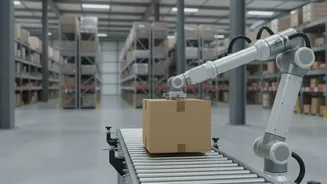
Forget the images of complex code and robots. For most professionals, AI literacy is not about learning to build artificial intelligence. Instead, it’s about knowing how to use it, understand its suggestions, and recognise its limits. Think of it like
basic computer literacy two decades ago. You don’t need to know how to build a microprocessor to use a spreadsheet, but knowing how to use Microsoft Excel became essential. Similarly, AI literacy is the ability to work alongside AI tools to do your job better. It involves understanding that AI generates probabilities, not proven facts, and knowing how to ask the right questions—or 'prompts'—to get useful results.
From Kiranas to Kisan: AI in Action
AI’s influence is spreading far beyond India’s tech hubs. In agriculture, farmers are using AI-powered apps that provide advice on the best time to sow seeds based on weather forecasts and soil data, boosting crop yields significantly. Tools like the Kisan e-Mitra chatbot are answering thousands of farmer queries daily in multiple languages. In the retail sector, AI helps manage inventory, predict sales trends, and power chatbots that provide 24/7 customer service. For a small business owner, this could mean an AI system that suggests which products to restock. In healthcare, AI assists with analysing medical images, though the final diagnosis remains with the doctor. These are not futuristic scenarios; they are practical applications transforming traditional industries today.
The New Differentiator in the Job Market
As companies integrate AI into their operations, they are beginning to seek employees who can use these new tools effectively. A marketing manager who can use AI to analyse campaign data is more valuable than one who can’t. An administrative assistant who can automate scheduling with an AI tool is more efficient. While jobs heavy on physical or mechanical tasks are less exposed for now, roles in the services sector are rapidly evolving. The demand for AI-related skills is growing fast and spreading to non-tech functions. This isn’t necessarily about job replacement but job augmentation. Professionals who can leverage AI can free themselves from repetitive tasks to focus on strategy, creativity, and human interaction—skills that AI cannot replicate.
How to Start Building Your AI Skills
The good news is that becoming AI-literate is more accessible than ever. The Indian government is taking notice, with the Prime Minister recently announcing a major initiative to train one crore youth in AI skills. Initiatives like the National AI Skilling Initiative are already underway, offering structured courses on AI essentials and prompt engineering. You can start by exploring free AI tools to understand their capabilities. Experiment with chatbots for research or image generators for creative tasks. The key is to cultivate curiosity and a willingness to learn. By demystifying the technology through hands-on use, you can begin to see how it applies to your specific role and industry.