
The Power of Consistency
The secret to unlocking flexibility isn't about contorting yourself into complex shapes, but rather about gentle, consistent practice. When you stretch regularly, your muscles, tendons, and ligaments gradually adapt and lengthen. This not only improves
your physical performance in daily activities but also helps prevent injury, reduce muscle stiffness, and alleviate aches and pains. A daily yoga habit, even just for 10-15 minutes, signals to your body that it's time to release tension. This routine builds both physical pliability and mental discipline, making movement feel easier and more comfortable over time.
Cat-Cow Stretch (Marjaryasana-Bitilasana)
This gentle, flowing movement is the perfect way to warm up your spine and is considered one of the most beginner-friendly yoga exercises. It promotes flexibility in the neck, shoulders, and spine while stretching the muscles of the back and abdomen. To begin, start on your hands and knees in a tabletop position, with your wrists under your shoulders and knees under your hips. As you inhale, drop your belly towards the floor, lift your chest, and look up, creating an arch in your back (Cow Pose). As you exhale, round your spine toward the ceiling, tucking your chin to your chest (Cat Pose). Continue flowing between these two poses for 5-10 breaths.
Downward-Facing Dog (Adho Mukha Svanasana)
A cornerstone of modern yoga, Downward-Facing Dog is a fantastic full-body stretch. It lengthens the hamstrings, calves, and spine while strengthening the arms and shoulders. From your hands and knees, tuck your toes, and lift your hips up and back, forming an inverted 'V' shape with your body. Press firmly through your hands, keeping them shoulder-width apart, and distribute your weight evenly. If your hamstrings are tight, keep a generous bend in your knees to maintain a long, straight spine. You can 'pedal' your feet, bending one knee and then the other, to deepen the stretch in your calves. Relax your head and neck, allowing them to hang freely.
Low Lunge (Anjaneyasana)
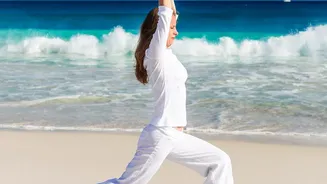
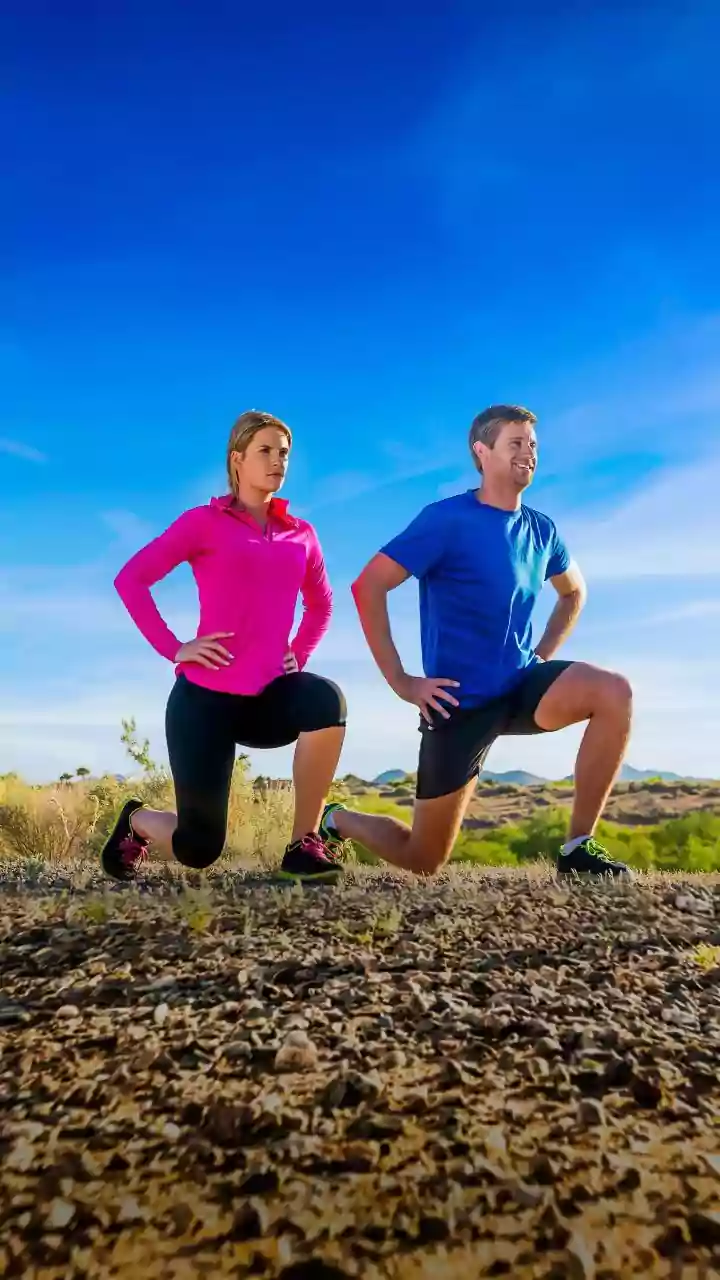
If you spend a lot of time sitting, your hip flexors are likely tight, which can contribute to lower back pain. The Low Lunge is an excellent pose to target this area. From Downward-Facing Dog, step one foot forward between your hands and gently lower your back knee to the floor. Ensure your front knee is stacked directly over your ankle. You can keep your hands on the floor or bring them to your front thigh. To deepen the stretch in your hip flexor, gently press your hips forward while keeping them square. Hold for 20-30 seconds before switching sides.
Seated Forward Bend (Paschimottanasana)
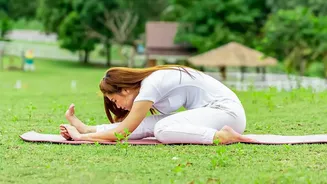
This pose provides a deep stretch for the entire back side of your body, particularly the hamstrings and spine. Sit on the floor with your legs extended straight out in front of you. Inhale to lengthen your spine, sitting up tall. As you exhale, hinge forward from your hips, not your waist, reaching toward your feet. It's crucial to keep your back flat. If you feel your back rounding, bend your knees enough to allow your torso to rest on your thighs. You can hold onto your shins, ankles, or the sides of your feet. With each breath, try to lengthen your spine and gently deepen the fold.
Child's Pose (Balasana)
Child's Pose is a gentle resting posture that stretches the hips, thighs, and lower back while relieving fatigue. It's a great pose to take whenever you need a moment of rest. From a kneeling position, sit back on your heels, spread your knees wide apart while keeping your big toes touching, and fold your torso forward between your thighs. Rest your forehead on the floor and extend your arms out in front of you or rest them alongside your body. Breathe deeply into your back, feeling it expand with each inhale and soften with each exhale. Hold for as long as feels comfortable.