

The Green Wave in Urban Cafes
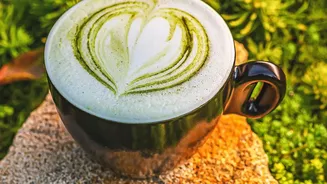
What started as a niche wellness trend has now gone mainstream. Matcha, a finely ground powder of specially grown and processed green tea leaves, is rapidly becoming a staple on menus from Mumbai to Bengaluru and Delhi. This isn't just about adding another
tea option; it's a reflection of a larger cultural shift. Health-conscious millennials and Gen Z consumers are driving the demand, drawn to beverages that offer more than just a caffeine kick. The Indian matcha market is growing at a remarkable 8.6% annually, nearly double the pace of the traditional tea market, signalling a significant change in urban beverage preferences.
What Makes a Matcha 'Artisanal'?
Not all matcha is created equal. The term “artisanal” or “ceremonial grade” refers to the highest quality of matcha, made from the youngest, most tender tea leaves. These leaves are shade-grown for several weeks before harvest, which increases their chlorophyll and L-theanine content, giving the powder its brilliant green hue and a complex, umami-rich flavour with no bitterness. The process is meticulous, from hand-picking the leaves to slowly stone-grinding them into an ultra-fine powder. This contrasts sharply with lower, culinary-grade matcha, which is made from more mature leaves and has a more bitter taste, better suited for mixing into recipes rather than being the star of the drink.
A Calmer, Focused Energy
The core appeal of matcha over coffee lies in its unique chemical composition. While both contain caffeine, matcha also boasts a high concentration of an amino acid called L-theanine. This powerful compound works synergistically with caffeine to create a state of “calm alertness.” Instead of the sudden jolt and potential jitters associated with coffee, matcha provides a sustained, smoother energy boost without the dreaded afternoon crash. L-theanine promotes alpha brain waves, which are linked to a relaxed but focused mental state, helping to reduce stress and anxiety while improving concentration.
The Superfood Showdown: Matcha vs. Iced Coffee
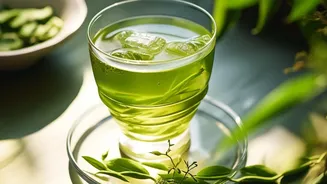
When placed side-by-side, the comparison extends beyond the caffeine experience. Matcha is celebrated as a superfood packed with antioxidants, particularly EGCG (epigallocatechin gallate), which is known for its anti-inflammatory properties and ability to fight free radicals. A cup of matcha involves consuming the entire leaf, delivering a more potent dose of these nutrients compared to brewed coffee. While a typical iced coffee can be laden with sugar and milk, artisanal matcha is often prepared simply with water or milk, offering a cleaner, healthier profile. Furthermore, matcha is known to be better for oral hygiene, as it can help fight bacteria and reduce plaque, a clear advantage over coffee, which is known for staining teeth.
More Than a Drink, It's a Lifestyle
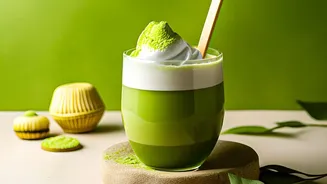
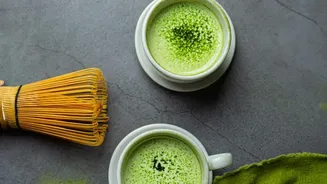
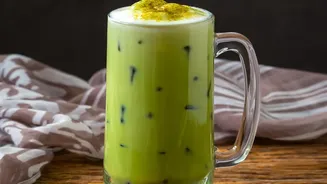
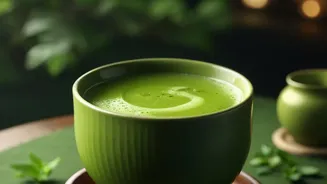
The move toward matcha is not just about health; it’s a cultural statement. Its vibrant green colour is visually striking, making it a natural fit for social media feeds that prize aesthetics. For many, preparing matcha is a mindful ritual, a deliberate process of whisking the powder into a frothy beverage that offers a moment of calm in a busy day. This shift represents a broader consumer desire for products that are not only good for the body but also feel intentional and globally connected. As urban Indians continue to explore global wellness trends, matcha has established itself not as a fleeting fad, but as a meaningful alternative to the established coffee culture.