





Beyond Dry, Oily, or Combination
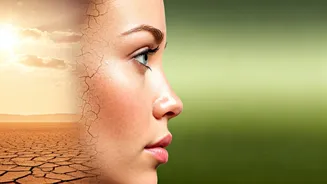
The traditional method of categorizing skin as dry, oily, or combination is becoming outdated. While helpful, it overlooks a critical factor: the environment's daily impact on your skin. [3] Climate change is no longer a distant concept; its effects are
felt on our skin through increased pollution, fluctuating temperatures, extreme weather, and more intense UV radiation. [1] These factors can lead to everything from premature aging and hyperpigmentation to flare-ups of inflammatory conditions like eczema and acne. [4] A ‘climate fit’ routine acknowledges that skin is our primary interface with the world and requires a more dynamic and protective approach to stay healthy. [3]
The New Environmental Aggressors
What exactly are we fighting against? The list of environmental aggressors is growing. Airborne pollutants, like fine particulate matter from traffic and wildfires, can penetrate the skin, causing oxidative stress that damages collagen and weakens the skin barrier. [4] Rising temperatures and humidity can increase sebum production and sweating, exacerbating conditions like acne and rosacea. [2] Conversely, extreme cold and dry air compromise hydration, leading to sensitivity and flakiness. [19] Add to this the ever-present threat of UV radiation, which is intensified by ozone depletion and behavioural changes like spending more time outdoors in warmer weather. [2, 6] These aggressors work together, creating a complex challenge that a simple moisturizer can no longer handle on its own.
Building Your Climate Adaptive Arsenal
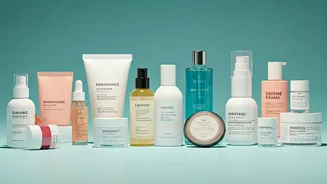
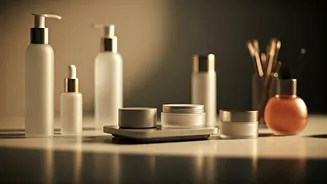
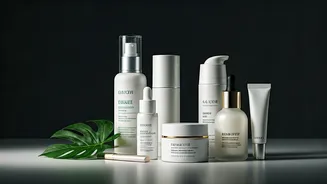
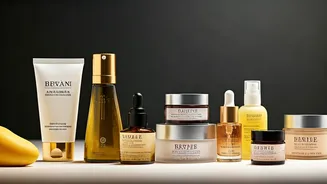
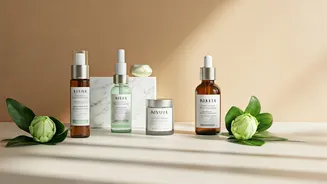
So, what does a climate fit beauty cabinet look like? It’s not about buying an entirely new set of products, but about incorporating smarter, multi-functional formulas. The core of this approach is defense and support. Antioxidant serums, particularly those with vitamins C and E, are non-negotiable; they work to neutralize the free radicals generated by pollution and UV rays. [5, 8] Look for cleansers that specifically mention removing pollutants without stripping the skin's natural oils. [9] Moisturizers are also evolving, with 'adaptive' formulas designed to offer hydration that adjusts to humidity levels, and many now feature ingredients that strengthen the skin’s natural barrier. [10, 20]
From Skincare to Scalp Care
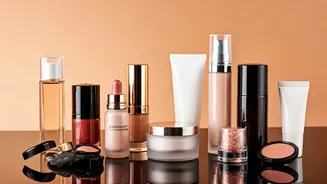
This new wave of environmental protection extends beyond the face. The scalp, often overlooked, is also skin and is highly susceptible to UV damage and pollution, which can lead to inflammation and even hair loss. [18] As a result, new products like scalp-specific sunscreens and protective serums are emerging. [18] Makeup is also getting a climate-fit upgrade. Foundations and primers now come with anti-pollution shields and robust SPF, while formulas are being designed to be sweat- and humidity-resistant, ensuring they last through a heatwave without clogging pores. [20] This holistic approach ensures every part of your exposed skin is defended. [21]
The Future Is Responsive
The climate adaptive beauty movement is a direct response to our changing world, moving beyond single-claim products to offer multi-stressor protection. [13] The industry is innovating with thermo-regulating textures that can cool the skin, smart ingredients that respond to environmental triggers, and even 'geo-skincare' tailored to specific climates. [11] This trend is about creating resilient skin that can withstand, respond to, and recover from environmental stressors. [21] While no product can entirely negate the effects of climate change, a climate fit routine gives your skin the best possible chance to thrive. [3]