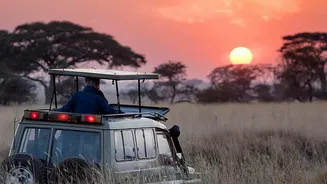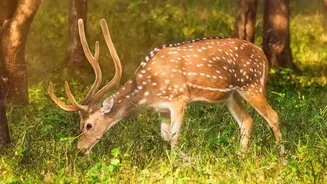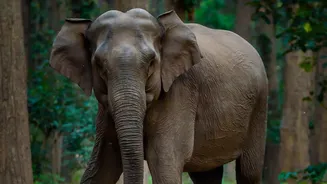


As a cool, crisp air settles over the country, India’s forests and grasslands come alive. Winter offers a magical time for a wildlife safari, with pleasant weather, clearer visibility, and unique animal behaviours on display.
Ranthambore National Park, Rajasthan
Winter is arguably the best
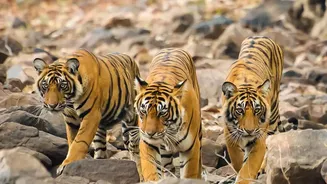
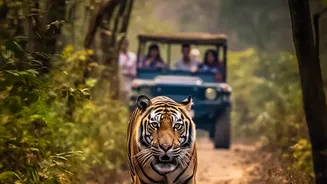
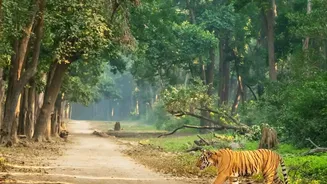
time to visit Ranthambore. The harsh Rajasthan heat gives way to cool, comfortable days perfect for open-jeep safaris. This season offers a higher chance of spotting the park's famous Royal Bengal Tigers, as they often come out to bask in the morning sun. The landscape, a dramatic mix of dry deciduous forests, lakes, and the ancient Ranthambore Fort, is particularly photogenic under the soft winter light. Beyond tigers, you can spot leopards, sloth bears, sambar deer, and marsh crocodiles basking by the lakes. The season is also a delight for birdwatchers, with many migratory species arriving to spend the winter.
Jim Corbett National Park, Uttarakhand
Nestled in the Himalayan foothills, India's oldest national park is a fantastic winter destination. The monsoon rains leave the forest lush and refreshed, and the pleasant daytime temperatures from November to February make for comfortable exploration. Morning safaris can be chilly and misty, adding a layer of mystery to the dense sal forests and grasslands. Winter is a prime time for birdwatching, with over 600 resident and migratory species present. It also offers excellent opportunities for spotting elephants and, of course, the elusive Bengal tiger, as reduced foliage improves visibility. All major safari zones, including the popular Dhikala and Bijrani, are open for visitors.
Kaziranga National Park, Assam
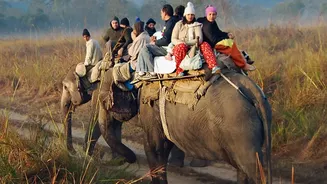
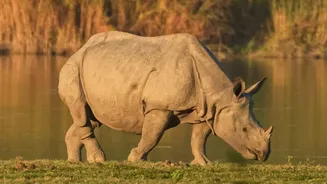
For Kaziranga, a UNESCO World Heritage Site, winter isn't just a good time to visit—it's the main season. The park remains closed for a large part of the year due to monsoon floods and reopens from November to April. This period offers cool, dry weather perfect for both jeep and elephant safaris. Kaziranga is globally renowned for being home to two-thirds of the world's great one-horned rhinoceros population. In winter, the tall elephant grass is either shorter or strategically burned by park authorities, which makes spotting these magnificent animals, along with wild water buffalo, swamp deer, and tigers, much easier.
Tadoba Andhari Tiger Reserve, Maharashtra
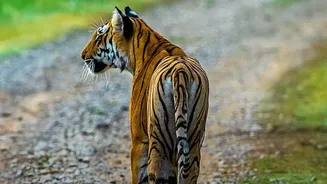
Often called 'The Jewel of Vidarbha', Tadoba has gained a reputation for its high tiger density and frequent sightings. While summer is peak season for spotting tigers near waterholes, the winter months from October to February offer a fantastic balance of pleasant weather and rewarding wildlife activity. The temperatures are comfortable for safaris, and the forest, a mix of teak and bamboo, provides good visibility. Tigers are known to be active for longer durations during the day and can sometimes be seen basking on the safari tracks in the morning sun. Besides tigers, Tadoba is also home to leopards, sloth bears, and wild dogs (dholes).
Periyar National Park, Kerala
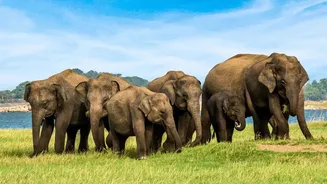
Offering a different safari experience, Periyar in the Western Ghats is a wonderful winter escape. The weather is cool and pleasant, ideal for the park's unique activities. The main attraction is the boat safari on the scenic Periyar Lake, where you can watch herds of elephants, Indian gaur (bison), and sambar deer coming to the water's edge. Unlike the tiger-centric parks of central and northern India, Periyar's charm lies in its rich biodiversity and tranquil landscape. Winter is also a great time for birdwatching and for guided nature walks or bamboo rafting tours, which allow for a more immersive experience in the lush forests.