






The Problem with a Protein-Only Mindset
Protein is undeniably essential. It serves as the fundamental building block for a child's growing muscles, repairing tissues, and supporting organs. Many parents, encouraged by health trends, prioritise protein sources like meat, eggs, and legumes. While
these are important, an overemphasis can inadvertently push other critical nutrients off the plate. A truly healthy diet for a child is a balanced one, where protein works in concert with carbohydrates, fats, vitamins, and minerals to support the complex processes of growth and development. Without this balance, children may miss out on key components needed for everything from brain function to a strong immune system.
Fuel for Body and Brain: The Role of Carbohydrates
Carbohydrates have gotten a bad reputation in some circles, but for active, growing children, they are the primary source of energy. They fuel everything from running in the playground to concentrating in the classroom. It's crucial, however, to distinguish between types of carbs. Complex carbohydrates, found in whole grains, fruits, and vegetables, provide a steady, sustained release of energy. Simple carbohydrates, like those in sugary drinks and processed snacks, can lead to energy spikes and subsequent crashes. Prioritising complex carbs ensures a child has the consistent fuel needed for their body and, importantly, their rapidly developing brain.
Healthy Fats: Essential for a Sharp Mind
The idea of feeding children 'fats' might sound counterintuitive, but healthy fats are vital, particularly for brain development. The brain undergoes its most rapid growth during the first few years of life, and nutrients like omega-3 fatty acids are critical for building brain cells and supporting cognitive functions like memory and focus. Good sources of these healthy unsaturated fats include fatty fish like salmon, as well as avocados, nuts, and seeds. Fats also play another key role: they are necessary for the body to absorb certain vitamins, including A, D, E, and K, making them an indispensable part of a child's diet.
The Unsung Heroes: Vitamins and Minerals
Beyond the big three macronutrients, a host of micronutrients—vitamins and minerals—perform vital functions in a child's body. Calcium and Vitamin D, for example, work together to build strong bones and teeth, a process that is critical during childhood and adolescence. Iron is essential for making red blood cells that carry oxygen throughout the body and is directly linked to cognitive function and preventing fatigue. Meanwhile, vitamins like A and C are crucial for maintaining a strong immune system, helping children fight off common illnesses. A diet rich in a variety of colourful fruits and vegetables is the best way to ensure your child gets a wide spectrum of these essential nutrients.
Building a Balanced Plate
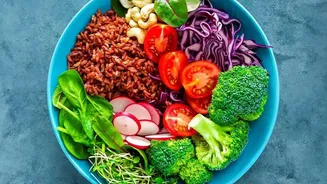
Creating a balanced diet doesn't have to be complicated. Rather than fixating on a single nutrient, aim for variety and colour. A simple approach is to fill half the plate with fruits and vegetables, a quarter with a source of lean protein (like beans, lentils, fish, or chicken), and the final quarter with whole grains (such as brown rice or whole-wheat roti). Including a source of dairy or a fortified alternative helps ensure adequate calcium intake. This visual guide encourages a mix of all the essential food groups at every meal, moving the focus from a single nutrient to a holistic, well-rounded approach to eating that will support long-term health.