



A Symphony in Pink and Green
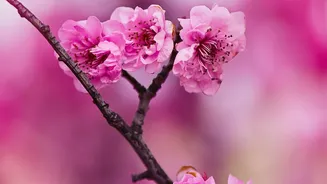
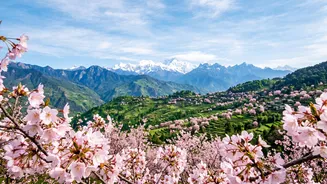
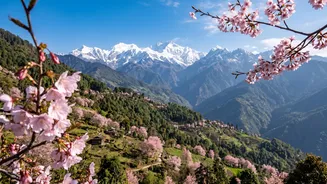
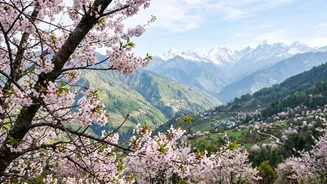
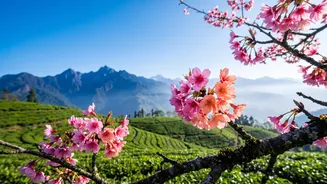
Imagine standing on a hillside with views of the Khangchendzonga range, surrounded by the sweet scent of tea and the breathtaking sight of pink flowers on bare branches. This is the scene at the Sikkim Cherry Festival, held at the famous Temi Tea Estate.
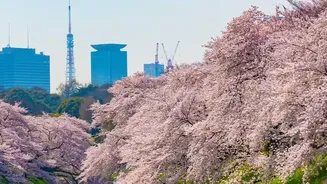
Unlike the spring blossoms of Japan, Sikkim's cherry trees, a species called Prunus cerasoides, flower in late autumn. This creates a stunning visual contrast: the vibrant pink canopy of the cherry blossoms against the deep green, rolling carpets of tea bushes covering over 400 acres. The festival, organised by the Temi Tarku Tourism Development Committee in association with the estate, transforms this picturesque landscape into a hub of activity. For 2026, the celebration is set to run for an extended period, from November 14 to 28, giving visitors a wider window to witness the peak bloom.
More Than Just a Pretty View
While the blossoms are the main attraction, the festival is a vibrant showcase of Sikkimese culture and community. Visitors can expect a host of activities that engage all the senses. Stalls pop up offering local handicrafts and, of course, authentic, organic Temi tea, often at promotional prices. The air fills with the sounds of live music and traditional folk performances from various local communities and cultural groups. Food lovers can savour regional delicacies like momos and thukpa from bustling food stalls. For the more adventurous, past festivals have featured activities like paragliding, mountain biking, and guided walks through the blossom-lined slopes. The 2026 edition also plans to feature the 'Dragon Run 2.0', promoting fitness and community spirit against the stunning backdrop. It’s a platform for local farmers, entrepreneurs, and artists to share their traditions with a wider audience.
The Historic Heart of Sikkim's Tea
The choice of venue is significant. Temi Tea Garden is not just a scenic spot; it is a landmark with a unique history. Established in 1969 by the last Chogyal (king) of Sikkim, it was created to provide employment for Tibetan refugees. Spanning over 177 hectares, it is the only tea estate in the entire state. The garden sits at an altitude of 4,000 to 6,000 feet, and its cool climate contributes to the distinct flavour of its tea. In 2008, the estate received its organic certification, long before Sikkim became India's first fully organic state. The festival takes place after the final tea-plucking season has ended, providing a vital source of income for the local community during the off-season and celebrating the estate's heritage.
Planning Your Trip to Paradise
If the allure of pink-dusted tea gardens proves irresistible, a bit of planning is key. Temi is located in South Sikkim, about 55 kilometres from the capital, Gangtok—a scenic drive that takes around two to three hours through winding mountain roads. The nearest airport is Bagdogra in West Bengal, and the closest major railway station is New Jalpaiguri (NJP). Due to the festival's popularity, accommodation in and around Temi, Namchi, and Ravangla gets booked up quickly, so it's wise to reserve rooms well in advance. On a practical note, the weather in the hills can be cool, especially in the mornings and evenings, so carrying layers is recommended. While there, take the opportunity to do a guided tour of the tea factory to learn about the journey of the leaves from bush to cup.