
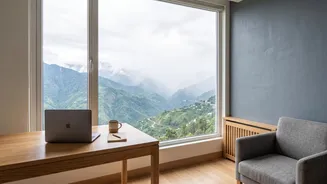


Beyond the Concrete Jungle
For years, a career in technology meant living in a bustling, and often expensive, metropolitan area like Bengaluru, Hyderabad, or Gurgaon. The trade-off for a high-paying job was traffic, pollution, and a relentless pace of life. However, the rise of remote
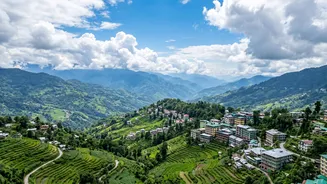
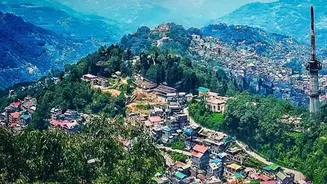
work culture has untethered these professionals from their physical offices, allowing them to choose a lifestyle that prioritizes well-being over the daily grind. Gangtok has emerged as an unexpected beneficiary of this shift, offering a unique proposition that combines work, life, and leisure in a stunning mountain setting. This trend is not just about a change of scenery; it signifies a deeper search for a sustainable and fulfilling way of life that traditional urban centres struggle to provide.
The Rise of Workation Hubs
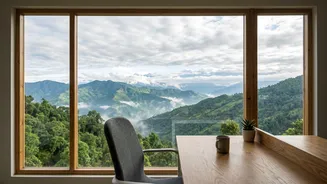
This migration is being facilitated by a new ecosystem of co-living and co-working spaces specifically designed for the 'workation' lifestyle. These hubs provide more than just a desk and a chair; they offer a package deal of accommodation, high-speed internet, and a built-in community. Establishments and initiatives across Sikkim, from dedicated coworking spaces in Gangtok to government-supported digital nomad villages like the one in Yakten, are catering to this new breed of worker. These spaces solve the logistical challenges of working from a remote location. They ensure professionals have reliable power backup and fast internet, which are critical for jobs in tech. They also eliminate the isolation that can accompany solo remote work by fostering a community of like-minded individuals.
The Compelling Economics
A significant driver of this trend is simple economics. While Gangtok might be more expensive than other parts of India, it offers considerable savings compared to the Tier-1 cities where tech salaries are earned. For instance, rent for a multi-bedroom apartment in a good locality in Gangtok can be significantly lower than a similar property in Bengaluru or Gurgaon. Day-to-day expenses on food, local transport, and recreation are also more manageable. This financial arbitrage allows tech workers to maintain a high quality of life, save more money, and escape the rental traps of big cities, all while earning a metro-level salary.
Connectivity at High Altitude
The primary concern for any tech professional considering a move to the mountains is the quality of internet access. In recent years, Gangtok's digital infrastructure has improved dramatically. The city has widespread 4G coverage from major providers like Jio and Airtel, and the availability of high-speed fibre broadband from services like Tata Play and local providers is growing. Many hotels, cafes, and the newer co-working spaces offer reliable Wi-Fi with power backups, ensuring that a client call or a code push is not interrupted by a power cut or bad weather. This robust connectivity is the bedrock of Gangtok's viability as a remote work destination, making it possible to perform high-demand tech jobs from the lap of the Himalayas.
An Unbeatable Work-Life Balance
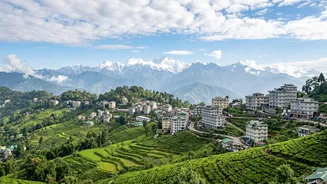
Perhaps the most powerful draw is the unparalleled work-life balance. In Gangtok, the end of the workday doesn't mean a stressful commute. Instead, it opens up a world of possibilities. Evenings can be spent exploring the city's unique cafe culture on MG Marg, while weekends are for trekking through rhododendron forests, visiting ancient monasteries, or simply gazing at the majestic Kanchenjunga. This access to nature and a calmer pace of life provides a powerful antidote to burnout, a common ailment in the high-pressure tech industry. The clean air, safe environment, and welcoming local culture further enhance the appeal, offering a holistic sense of well-being that is a luxury in itself.