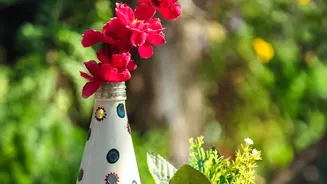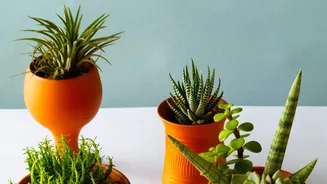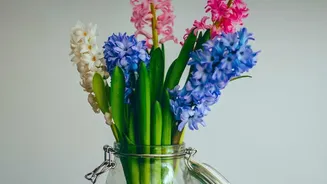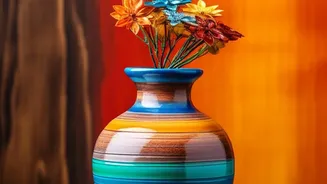


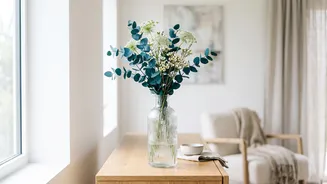
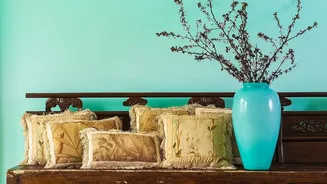
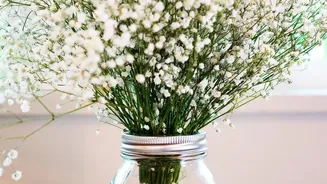
Look around your home. Those forgotten glass jars, old bottles, and tired-looking vases are not clutter—they're canvases waiting for a new life. A splash of colour is all it takes to transform these everyday containers into bespoke decor pieces.
The Hunt for Hidden Treasures
Before
you begin, scour your home for suitable containers. Look for interesting shapes in items you might otherwise recycle or throw away. Glass is an excellent starting point—think pasta sauce jars, wine bottles, old perfume bottles, and Mason jars. Don't overlook old ceramic or metal containers either. Thrift stores are also fantastic sources for inexpensive vases with unique shapes, regardless of their current colour or pattern. Focus on the form, not the finish, as the latter is what you're about to completely reinvent.
Gathering Your Creative Toolkit
The right paint is key to a successful transformation. For glass and other non-porous surfaces, you have several great options. Acrylic enamel or multi-surface acrylic paints are designed to adhere well to slick surfaces. For a trendy, matte, ceramic-like finish, you can even create your own textured paint. Simply mix a small amount of baking soda or plaster of Paris into any water-based acrylic or latex paint. This mixture will thicken the paint to a mousse-like consistency, perfect for creating a faux pottery look. You will also need brushes, a primer to help the paint stick, and a sealant to protect your finished work.
Preparation is Everything
Proper preparation ensures your paint job is durable and flawless. Start by thoroughly cleaning your containers to remove any labels, glue residue, dust, or grease. Soaking them in hot, soapy water usually does the trick for labels. For any stubborn residue or oils, a final wipe-down with rubbing alcohol is highly recommended. A clean, dry surface is crucial for paint adhesion. For best results, especially on very smooth glass, applying a thin coat of a shellac-based or bonding primer will give the paint something to grip onto, preventing chips and peeling down the line.
Unleash Your Inner Artist
Now for the fun part. There are numerous techniques you can try. For a solid, opaque colour, apply several thin coats of paint, allowing each layer to dry before applying the next. If you're using the baking soda mixture for a textured look, apply it thickly with horizontal brush strokes to mimic the look of spun pottery. You can also paint only the inside of a clear glass vase for a smooth, coloured-glass effect. Simply pour some paint inside, swirl it around to coat the interior completely, and then turn the vase upside down to drain the excess. For patterns, use painter's tape to create sharp geometric lines or stencils for more intricate designs.
To ensure your new vase withstands the test of time, sealing is a vital final step. This is especially important if you plan to use the vases for fresh flowers with water. After your paint has fully cured—which can take 24 to 72 hours—apply a clear acrylic sealer. Sealants come in both spray-on and brush-on formulas and are available in matte, satin, or gloss finishes to match your desired look. Apply two to three thin coats, letting each coat dry in between. This protective layer will make your creation more durable and water-resistant.