

The Science of a Golden-Brown Crust
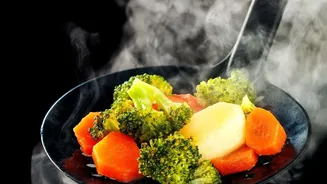
To get crispy food, you first need to understand its greatest enemy: water. Most foods contain a surprising amount of it. When you cook, you're essentially in a race to get that water out. If moisture lingers on the surface, the food will steam. Steaming
happens at 100°C, the boiling point of water. While great for tender vegetables, it's the opposite of what you need for a crisp finish. True crispiness happens at higher temperatures, typically starting around 140°C. This is where a chemical process called the Maillard reaction kicks in. It’s a reaction between amino acids and sugars that creates hundreds of new flavour compounds and the signature golden-brown colour we associate with everything from seared steak to toasted bread. Put simply, water prevents the Maillard reaction. Get rid of the surface water, and you clear the way for delicious, crunchy browning.
Your First Defence: The Pat-Down
The simplest and most crucial step for removing surface moisture is a thorough pat-down. Before seasoning or cooking, use paper towels to blot away as much water as possible from the surface of your ingredients. This applies to chicken thighs you want to roast with crackling skin, potatoes you want to turn into crispy wedges, and even vegetables like zucchini or mushrooms. A dry surface allows the hot air or oil to immediately start the browning and crisping process, rather than wasting energy just boiling off water. For an even greater effect with items like chicken, you can leave it uncovered on a rack in the refrigerator for a few hours. The cool, dry air will wick away even more surface moisture, guaranteeing a head start on a crispy skin.
Don't Crowd the Pan
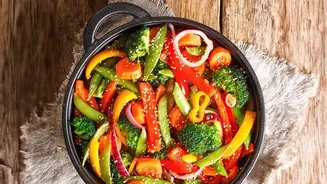
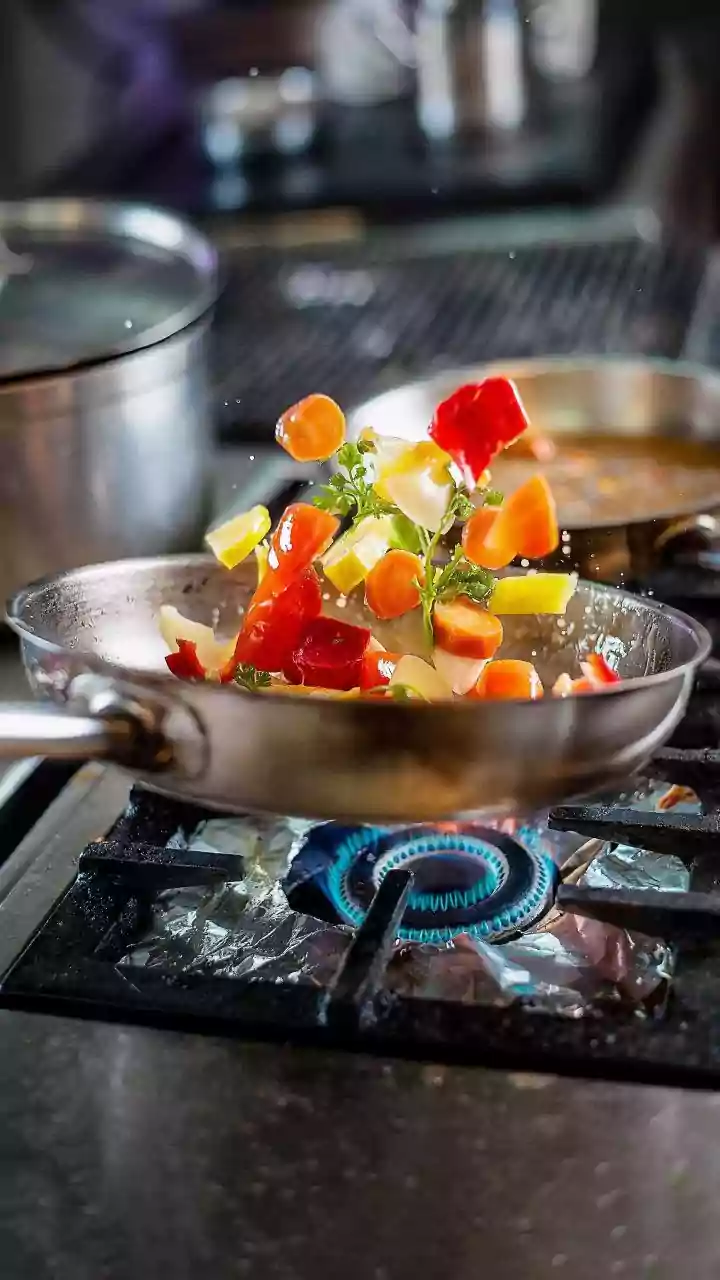
This is one of the most common mistakes in home cooking. When you pack too many ingredients onto a baking sheet or into a frying pan, you create a humid microclimate. As the food heats up, it releases steam. With nowhere to go, that steam gets trapped between the pieces of food, effectively steaming them in their own juices instead of roasting or searing them. This trapped moisture causes the pan's temperature to drop, preventing the Maillard reaction from ever getting started. The result is pale, soft, and often soggy food. To avoid this, always give your ingredients some personal space. Cook in batches if you have to, or use a larger pan. A single, spaced-out layer ensures that steam can escape, allowing the dry, high heat to work its magic and develop that coveted golden-brown, crispy exterior.
The Strategic Use of Salt and Starch
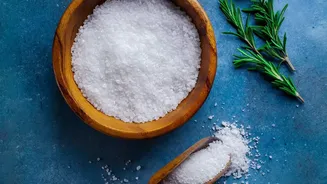
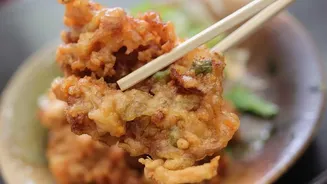
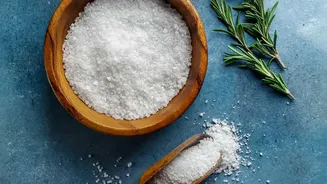
Salt is another powerful tool in your moisture-control arsenal. Through osmosis, salt draws water out from within the food. You can see this in action when you salt eggplant or cabbage and watch it 'sweat'. This same principle can be applied to get crispier chicken skin or fries. Salting meat ahead of time and letting it rest helps dry out the surface. For frying, coatings and batters also play a critical role. A dusting of flour or a dip in batter creates a protective barrier. When this coating hits hot oil, its moisture rapidly evaporates, forming a rigid, porous crust. This crust not only becomes crispy itself but also shields the food from absorbing too much oil and allows the interior to steam gently, resulting in that perfect “crispy outside, juicy inside” contrast.
Harnessing High, Dry Heat
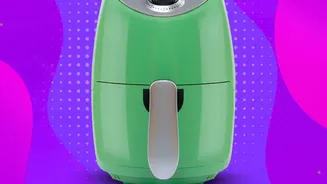
Whether you are roasting, frying, or air-frying, high heat is your ally. Hot oil, for instance, works by rapidly dehydrating the food's surface. When food enters oil heated to around 175-205°C, the surface moisture instantly turns to violent steam bubbles that escape, leaving behind a dry, porous structure that becomes the foundation of crispiness. If the oil is too cool, the crust forms slowly, allowing the food to absorb grease and become soggy. The same goes for your oven. Preheating properly ensures the environment is hot and dry enough to evaporate moisture quickly. While lower temperatures have their place, when crispiness is the goal, high, direct heat is what drives moisture away and invites the Maillard reaction to the party.