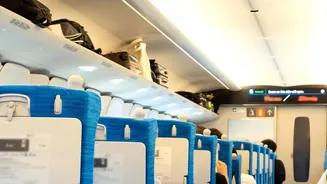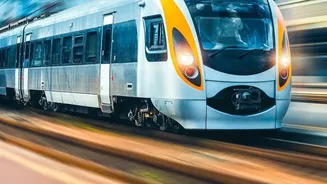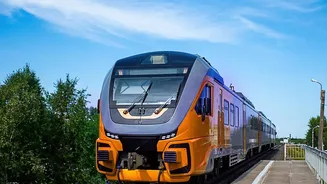


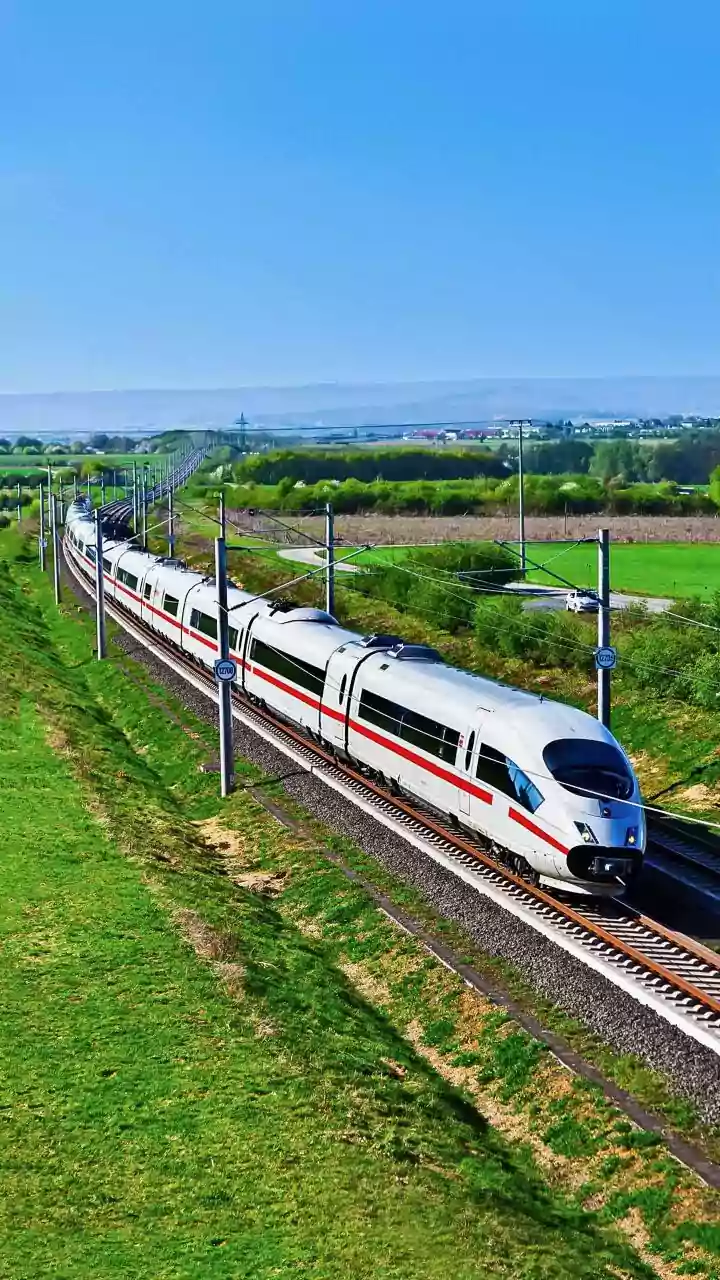

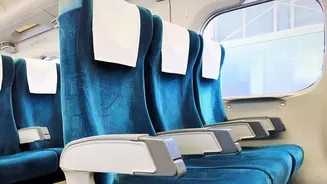
The Vande Bharat Express, celebrated for its speed and modern amenities, is now the subject of a new experiment by IRCTC. In a move to refine the passenger experience, a trial for a shorter, more compact food menu is underway on select routes.
Which Trains Are Part of the Trial?
This pilot
project, which began on November 1, 2026, is currently active on three Vande Bharat sleeper train routes. Passengers travelling on the Mumbai-Bengaluru, Howrah-Kamakhya (Guwahati), and New Delhi-Varanasi Junction services will experience the new, trimmed-down menu. The Indian Railway Catering and Tourism Corporation (IRCTC) has initiated this 'proof of concept' to assess passenger reactions before considering a wider rollout across its network of premium trains.
From a Spread to a Simplified Meal
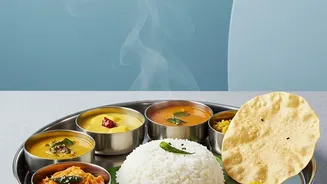
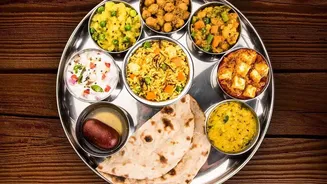
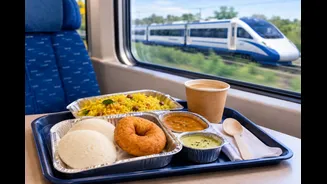
The most significant change is the reduction in the number of items served per meal, from a spread of eight to ten dishes down to a core of four. For breakfast, the new options focus on staples like idli-vada with sambhar, poha, or upma. Items such as soup, sandwiches, omelettes, and chocolates have been removed from the breakfast tray. Similarly, for lunch and dinner, the meal now consists of chapati, rice, dal, and one main dish (with a choice between a vegetable or chicken preparation). Accompaniments like a second dry vegetable, curd, salad, pickles, and sweets are no longer part of the standard meal plate. This change has also reduced the overall weight of a meal from approximately 700-750 grams to about 450-500 grams.
The 'Less is More' Philosophy
According to railway officials, the primary driver behind this change is the push to improve food quality, hygiene, and consistency. The decision follows frequent passenger complaints regarding the quality of food served on long-distance trains. Officials believe that by reducing the variety of dishes, catering staff and partner kitchens can better monitor each item, ensuring it is fresh and prepared hygienically. The aim is to deliver a more reliable and higher-quality dining experience, mirroring the compact meal model often seen on airlines. This shift also involves partnerships with major cloud kitchens and established hospitality groups like TajSATS and Sarovar Portico to prepare and supply the meals, moving away from traditional contractors.
What This Means for Passengers
For travellers, this trial means fewer choices on their meal tray but, hopefully, a noticeable improvement in the quality of what is served. The portion size of the main items reportedly remains the same, even though the total meal weight has decreased due to the removal of side dishes. A key question for many is how this will affect cost. Catering charges are typically included in the Vande Bharat ticket fare, though passengers can opt out. With a smaller menu, travellers are watching to see if there will be a corresponding reduction in these charges. IRCTC is actively collecting passenger feedback during this trial period, which will be crucial in determining whether the shorter menu becomes a permanent feature and is expanded to other routes.