








The New 'Value-for-Money' Equation
Not long ago, ‘value’ in the Indian smartphone market simply meant the lowest possible price. Today, the definition has matured significantly. Consumers are no longer just counting rupees; they are calculating the value of the experience. This means they are willing
to spend more, but only for tangible benefits. The average selling price (ASP) of smartphones in India has reached record highs, climbing over 10% year-on-year to US$302 in the first quarter of 2026. [5] This isn't because buyers have abandoned frugality, but because they are making more deliberate, informed choices, prioritising features that directly enhance their daily lives. The conversation has shifted from “what is the cheapest phone?” to “what is the best possible phone I can get for my budget?” This shift indicates a market that is moving from being volume-led to value-driven. [5]
The Mid-Range Becomes a Battlefield
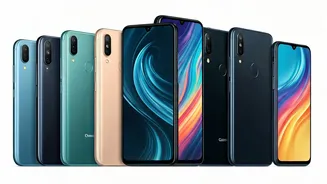
The fiercest competition is unfolding in the mid-range segment, broadly defined as phones in the ₹15,000–₹30,000 bracket. [15] This category has become the primary battlefield where brands like Samsung, vivo, Xiaomi, and Realme fight for dominance. [7, 24] For many Indians, this price range represents the sweet spot for their second or third smartphone purchase. [11] They are upgrading with higher expectations, seeking features once reserved for flagship devices. Brands are responding by loading their mid-range offerings with powerful processors, high-quality cameras, and premium designs. For example, Samsung has found strong traction with its A-series models in the ₹15,000-₹20,000 segment, while vivo leads the overall market through a strong portfolio in the mid-premium tier. [2] The intense competition in this space benefits consumers, who now have access to near-flagship experiences at a fraction of the cost.
Prioritising Power and Performance
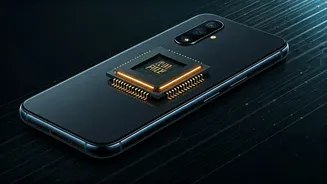
So, what features are Indian buyers prioritising? The data shows a clear focus on performance and usability. The processor, which dictates gaming performance and app loading speeds, has become a very important factor for 84% of buyers. [22] This is followed closely by camera capabilities and battery life. [10] However, consumers are also getting smarter about specifications, understanding that a 50MP camera with Optical Image Stabilisation (OIS) is often better than a 108MP camera without it. [12] The emphasis has moved from specs on paper to the real-world experience. [14] More recently, Artificial Intelligence (AI) has emerged as a significant purchase driver, with nearly 89% of users saying AI features influence their decision. [21] From AI-enhanced cameras to smarter search functions, these capabilities are no longer just for premium phones but are becoming a baseline expectation even in the ₹15,000-₹20,000 segment. [14, 21]
The 5G Upgrade Cycle
The nationwide rollout of 5G networks has been a massive catalyst for upgrades. [16] With over 120 million 5G subscribers in India by the end of 2025, the demand for compatible devices is soaring. [15] 5G is no longer a premium feature but a must-have, with 5G-enabled devices now available for under ₹10,000. [8, 15] This has democratised access to high-speed connectivity, fundamentally changing how people use their phones and driving a massive increase in data consumption. [8] In the first quarter of 2026, 5G smartphones accounted for a staggering 91% of overall shipments. [6] For most consumers, buying a new phone in 2026 means buying a 5G phone, as they look to future-proof their investment and take advantage of the faster speeds available. [15]
How Brands Are Responding
Smartphone manufacturers have been forced to adapt to this new reality. They are facing an 'affordability squeeze' due to rising component costs, which has led to an average price hike of around ₹1,500 on key models in early 2026. [3, 20] Yet, they know that Indian consumers are acutely price-sensitive. Their solution has been to strategically balance features, focusing innovation on the mid-range and offering compelling financing options like EMIs to make pricier devices more accessible. [14, 21] This has led to a market where the premium segment (phones over ₹30,000) is the fastest-growing, yet the value-for-money segment (under ₹20,000) still drives the most volume. [11, 24] Brands are also increasingly emphasising design, software support, and the overall user experience to stand out in a crowded field. [10, 14]