





The Hidden Dangers in Your Tools
Each time you use a hairbrush, razor, or makeup sponge, you leave behind a collection of skin cells, natural oils, and product residue. In a damp environment like a bathroom, this buildup becomes a perfect breeding ground for bacteria, mould, and fungi.
These microorganisms can be transferred back to your skin, potentially causing acne, rashes, fungal infections, or more serious issues like a staph infection. Dirty tools don't just pose a health risk; they also perform poorly, leading to uneven cuts, skin irritation, and damage to your hair and skin. Regular cleaning is a simple preventative measure that is crucial for both hygiene and the effectiveness of your tools.
Razors and Shavers
A dull, dirty razor blade can cause nicks, razor burn, and infections. After each shave, rinse the blade thoroughly with hot water to remove all hair and shaving cream. For a deeper clean, you can use a soft brush and some soap. The most critical step is drying. Moisture leads to rust and encourages bacterial growth. Pat the razor dry with a clean towel or let it air dry completely in a well-ventilated area, not in a damp shower caddy. For electric shavers, follow the manufacturer's instructions, which typically involve removing the head, brushing out debris, and occasionally using a specific cleaning solution.
Makeup Brushes and Sponges
Dirty makeup brushes and sponges can collect product, oil, and bacteria, which can clog pores and cause breakouts. The American Academy of Dermatology suggests washing brushes every 7 to 10 days. To clean them, rinse the tips under lukewarm water. Then, swirl the bristles in a bowl with water and a gentle shampoo or brush cleanser. Rinse until the water runs clear, gently squeeze out excess water, and lay them flat on a towel with the tips hanging over the edge of the counter to air dry. This prevents water from loosening the glue in the handle. Sponges should be washed after every use as they are particularly prone to bacterial growth.
Hair Brushes and Combs
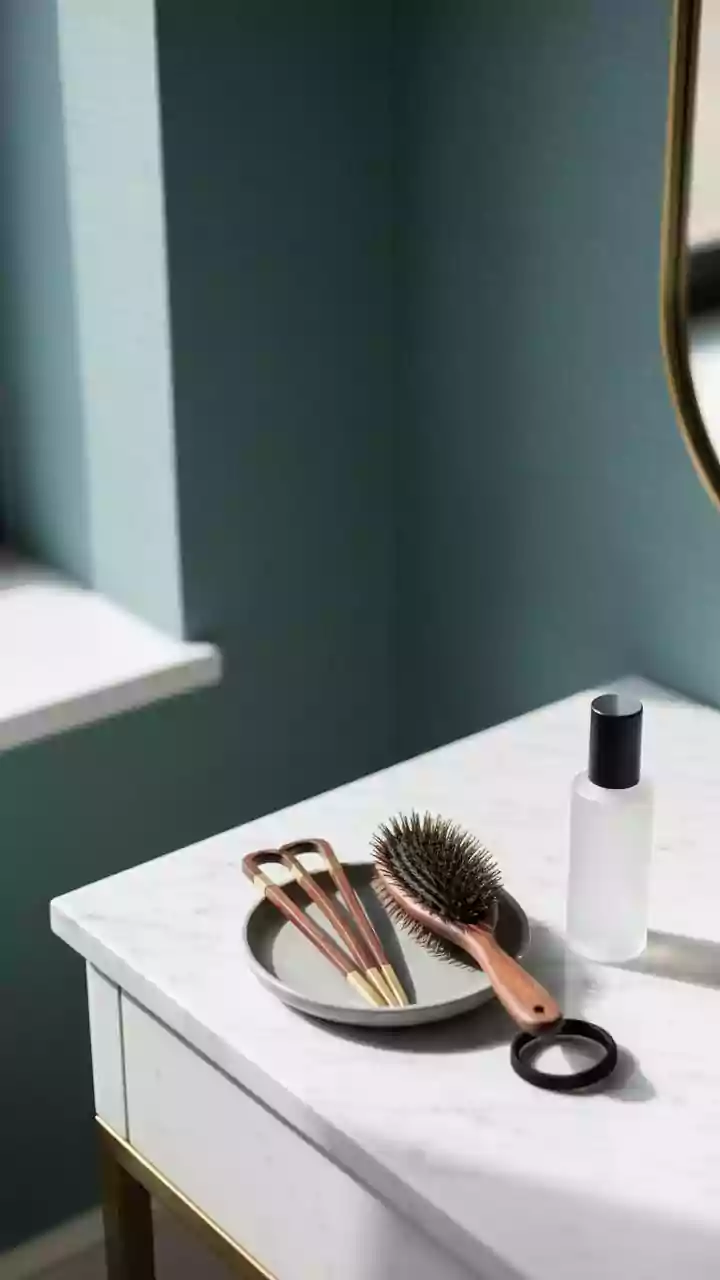
Hairbrushes trap not only hair but also scalp oils, dust, and styling product residue. First, remove all trapped hair. For a deeper clean, you can soak plastic combs and brushes in warm, soapy water for about 10 minutes. Use an old toothbrush to scrub between the bristles and at the base. Rinse thoroughly and lay the brush bristle-side down on a towel to dry completely. Be cautious with wooden brushes; instead of soaking them, which can cause damage, wipe them down with a damp cloth and a mild disinfectant.
Manicure and Pedicure Tools
Tools like nail clippers, cuticle pushers, and metal files can easily spread infection if not properly sanitized, especially since they can cause small breaks in the skin. After each use, wash these tools with soap and warm water, using a small brush to scrub away any debris. To disinfect, you can submerge the metal tools in 70% isopropyl alcohol for at least 10 minutes. Wiping them down with an alcohol-soaked pad is a quicker alternative. After disinfecting, allow them to air dry completely on a clean surface to prevent rust and recontamination before storing them.