


A Constant Battle in the Vineyards
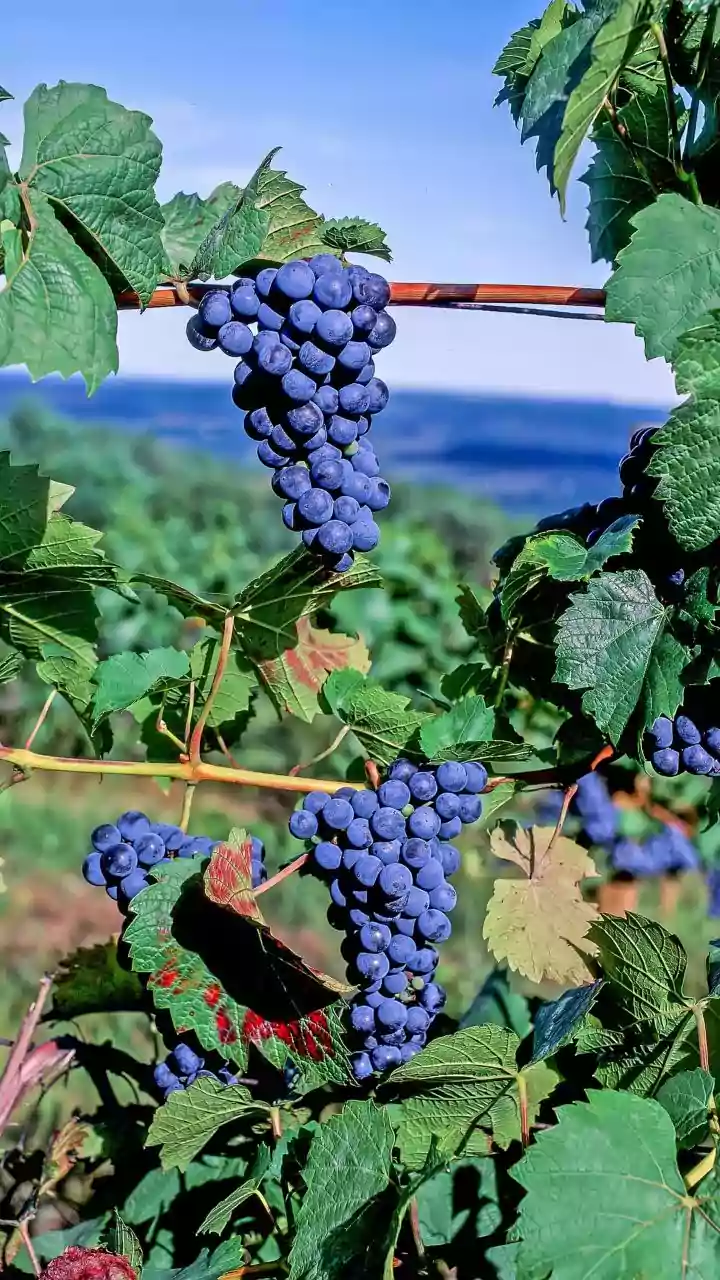
For generations, grape growers in Nashik have contended with unpredictable weather and persistent diseases. Fungal infections like downy and powdery mildew thrive in the region's variable climate, especially with unseasonal rains, and can wipe out a significant
portion of a harvest. Traditionally, farmers relied on manual inspections to spot signs of infection, walking through hectares of land to check leaves. This method is not only labour-intensive but often too slow; by the time symptoms are visible to the naked eye, the disease may have already spread, forcing farmers to engage in widespread, costly chemical spraying. This blanket approach leads to high input costs, potential soil degradation, and health risks, all while offering no guarantee of stopping the infection.
A New Eye in the Sky
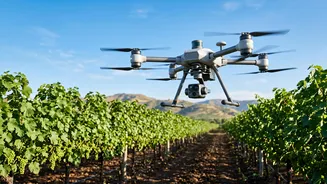
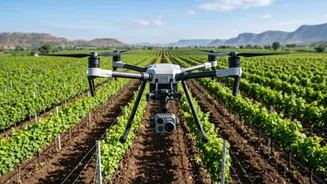
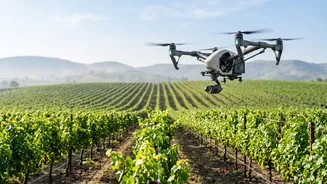
Enter precision agriculture, a modern approach that uses technology to make farming more accurate and efficient. AI-powered drones are at the forefront of this revolution. These unmanned aerial vehicles (UAVs) are equipped with advanced multispectral cameras that capture light beyond the visible spectrum. As a drone flies over a vineyard, it gathers detailed imagery of the crop canopy. The AI, trained on thousands of images, analyses this data to detect subtle changes in the leaves—like shifts in colour or temperature—that signal the very beginning of a fungal infection, often weeks before a farmer could spot it manually. This early warning system is crucial for proactive crop management.
From Data to Decisive Action
The technology doesn't just identify a problem; it provides a precise solution. Once the AI detects a potential outbreak, it generates a detailed 'disease map' of the vineyard, pinpointing the exact locations of stressed or infected vines. Armed with this data, which can be accessed via a simple mobile app, farmers can move from broad-spectrum prevention to targeted treatment. Instead of spraying the entire field, they can direct their efforts—or even deploy sprayer drones—only to the affected patches. This targeted approach is the essence of precision farming: applying the right input, in the right place, at the right time.
The Tangible Impact for Growers
For Nashik's small-scale growers, this technology offers a significant transformation. The most immediate benefit is a drastic reduction in the use of pesticides and fungicides, which can lower input costs substantially and lessen the environmental impact. Early and targeted intervention means less crop loss, leading to higher, more consistent yields and better quality grapes. This is particularly vital in a region where erratic weather has recently led to production drops of up to 50%, causing severe financial strain. By making viticulture more predictable and profitable, drones empower small farmers to become more resilient in the face of climate variability and market fluctuations.
Challenges on the Path to Adoption
Despite the clear advantages, widespread adoption faces hurdles. The initial investment for drone technology can be high for smallholders, who dominate Indian agriculture. Furthermore, operating the technology effectively requires a degree of technical expertise and training. To bridge this gap, agritech startups and Farmer Producer Organisations (FPOs) are playing a crucial role. Many now offer 'drones-as-a-service' models, where farmers can hire drone services for spraying or surveying without needing to purchase the equipment themselves. Government initiatives and subsidies are also helping to make this technology more accessible, signalling a strong push towards a digitally empowered agricultural sector in India.